


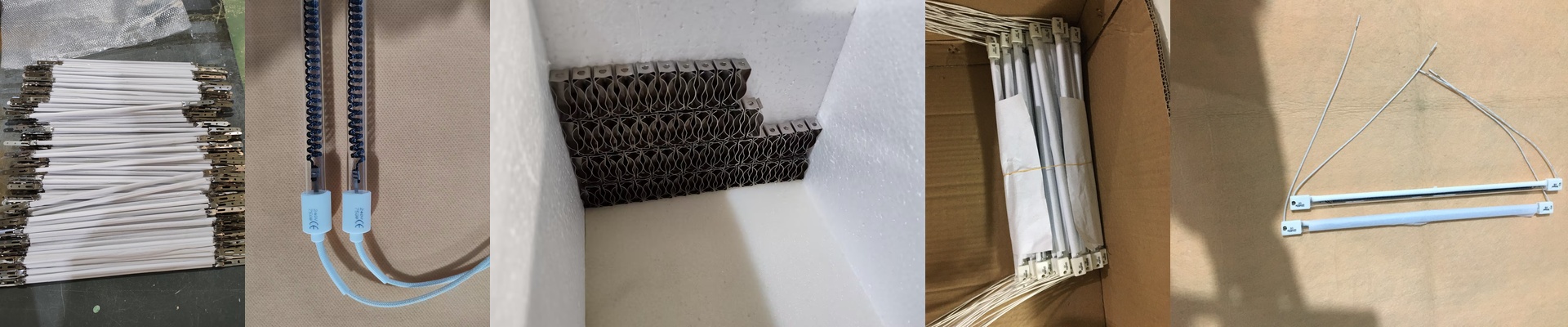
A Practical Look at Carbon Fiber Infrared Lamps
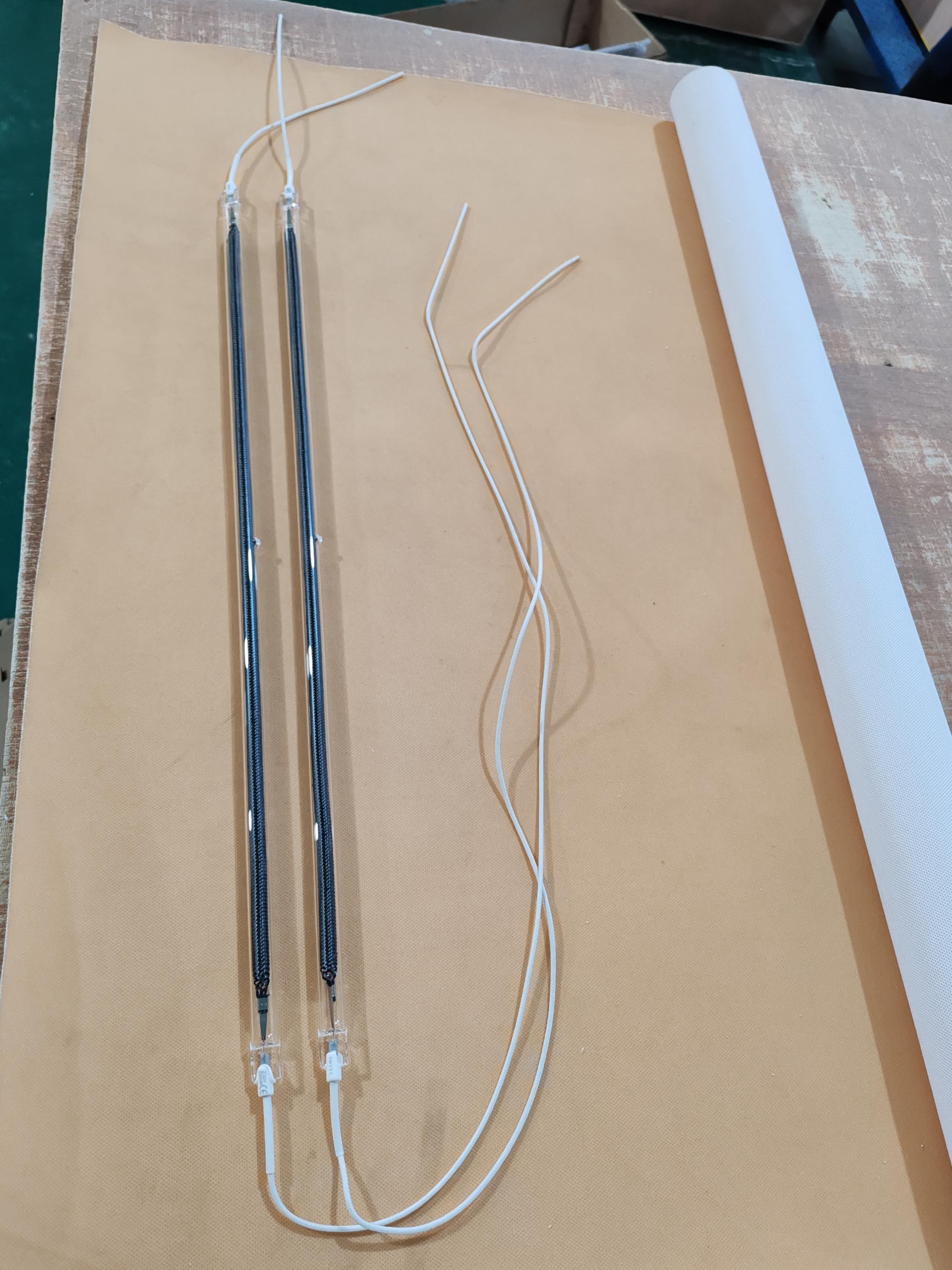
If you’ve ever messed around with old-school metal alloy coils, you know the drill. They get the job done, but they’re limited. Carbon fiber lamps are a different beast. Instead of a wire, you’ve got a conductive carbon filament tucked inside a high-purity quartz tube. Because the surface area is larger, the heat shifts. It moves into that medium-to-long wave range. In plain English? The heat actually sinks into the material instead of just scorching the surface.
The Nitty-Gritty on Materials
The quartz glass isn’t just there for looks. It creates a vacuum (or holds an inert gas) so the filament doesn’t just burn up the second you flip the switch. We use high-silica quartz because it can handle the “thermal shock”—meaning it won’t crack when it goes from cold to screaming hot in a matter of seconds. Now, here is the part where you have to be careful. Carbon fiber has lower electrical resistance than nichrome. That’s great because they heat up fast.**Really fast.**But it also makes them touchy. If your voltage spikes by even 5%, you might snap the filament. It’s a fragile balance. Make sure your power controllers are dialed in exactly to the wattage spec, or you’ll be replacing lamps way more often than you’d like.
Setting Them Up
Installing these is usually a breeze since the end-caps are standardized. Whether you’re sliding them into a mount or using a bracket, there’s one golden rule:Don’t touch the glass with your bare hands. I know it sounds picky, but the oils from your skin leave invisible spots. When the lamp hits peak temperature, those spots become hotspots. That’s how the glass fails. Use gloves or a clean cloth. One thing I love about these is the consistency. You don’t get those annoying “cold spots” you find with halogen lamps. The heat is uniform across the whole tube, so your workpiece gets an even bake from end to end.
Where They Actually Work
You’ll mostly see these in PET blowing, curing paint, or welding plastics. They’re the perfect tool when you need the heat to penetrate deep into the material without ruining the top layer. But they aren’t magic. If you’re looking for an instant, surface-level sear, these aren’t for you. They don’t hit those extreme, short-wave temperatures. These are for the steady, volumetric heating jobs where patience and penetration matter more than a quick flash.
- Infrared
- Quartz
- Carbon Fiber
- Heating
- Industrial
- Glass
- Carbon
- Fiber
- Heat
- Lamp
- Sk15 Tungsten Quartz Infrared Heating Lamp for Pet Blowing Machine
- 1000w-230v-R7s-Half-White-Plated-Halogen-Ir-Lamp-Infrared-Heat-Lamp-Heater-for-Pet-Bottle-Blowing-Machine
- 380v 2000w Half White Coating Infrared Quartz Heat Lamp With Sk15 for Pet Blowing Machines
- Sk15-Shortwave-Infrared-Emitter-Ir-Lamp-Heater-Infrared-Heat-Lamp-for-Blowing-Machine
- High-Quality-Heating-Lamps-800w-Clear-Tube-Infrared-Halogen-Heat-Lamp-for-Dominican-Republic-Pet-Blowing-Machine
- Ir Quartz Glass Infrared Heat Lamp for Pet Blowing Machine
- 2500w 400v Halogen Infrared Curing Therapy Lamp Infrared Heat Lamp for Pet Bottle Blowing Machine
- 2000w 240v Sk15 270mm Halogen Infrared Heat Lamp for Pet Bottle Blowing Machine
- 1500w-230v-Sk15-300mm-Halogen-Infrared-Heat-Lamp-for-Pet-Bottle-Blowing-Machine
- 1000mm-2000w-Quartz-Infrared-Heating-Lamps-Halogen-Lamp-for-Pet-Blowing-Machine