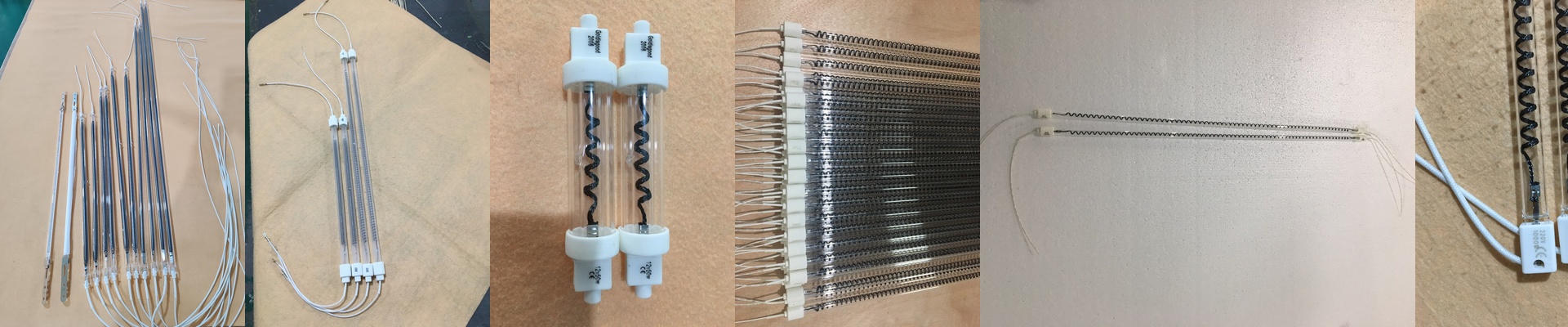
600mm 1300W Infrared Carbon Fiber Heating Lamp: Power, Geometry, and Performance
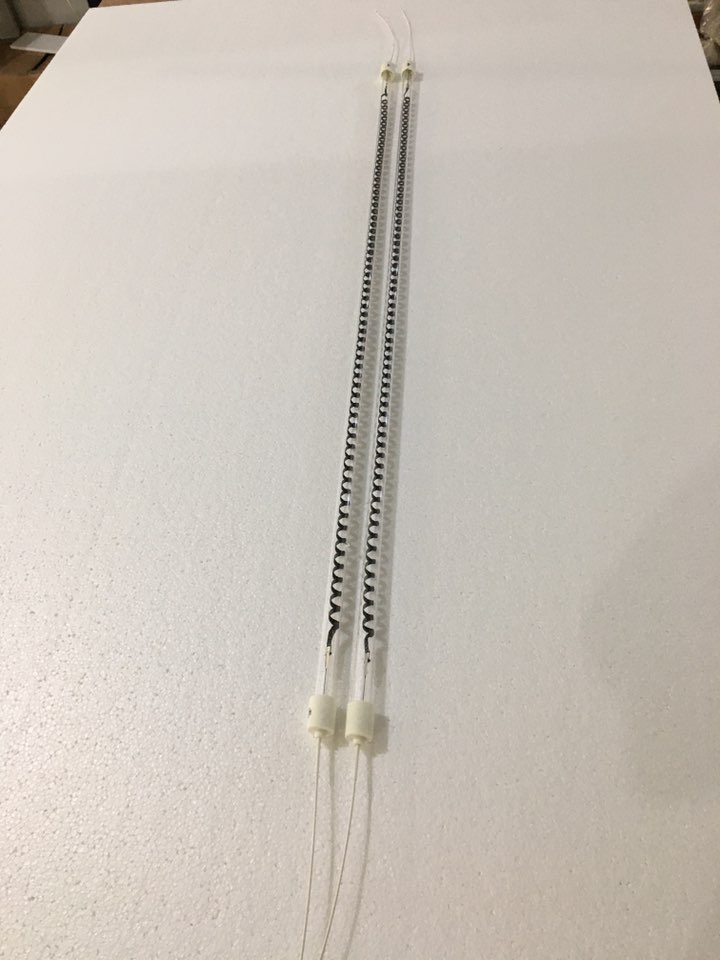
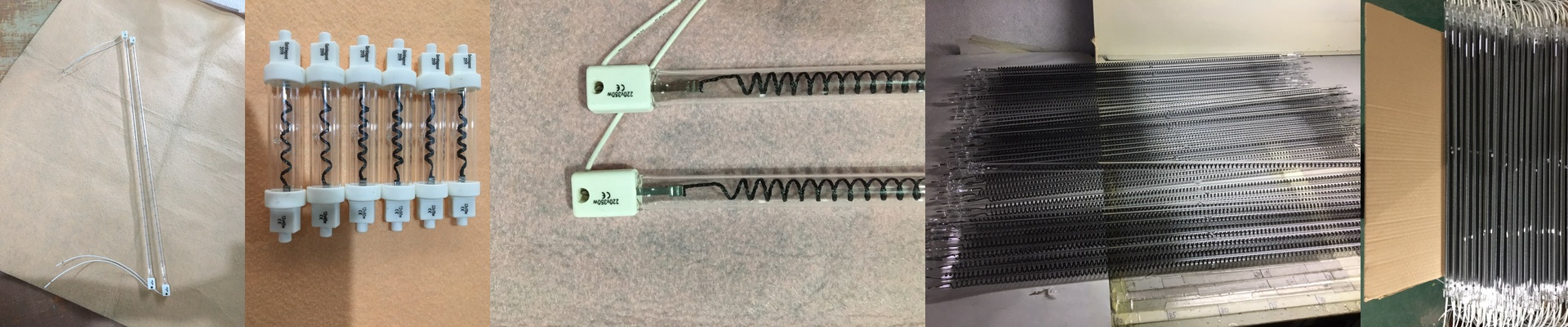
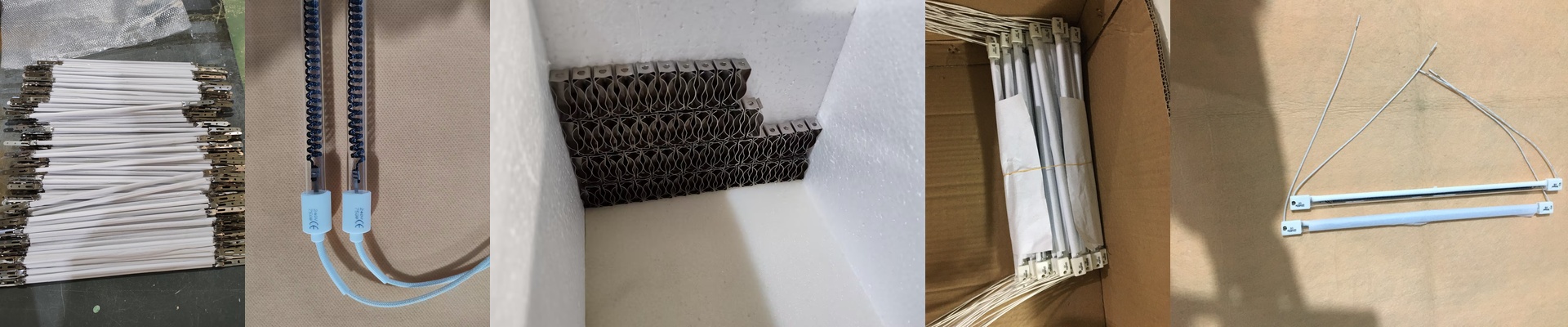
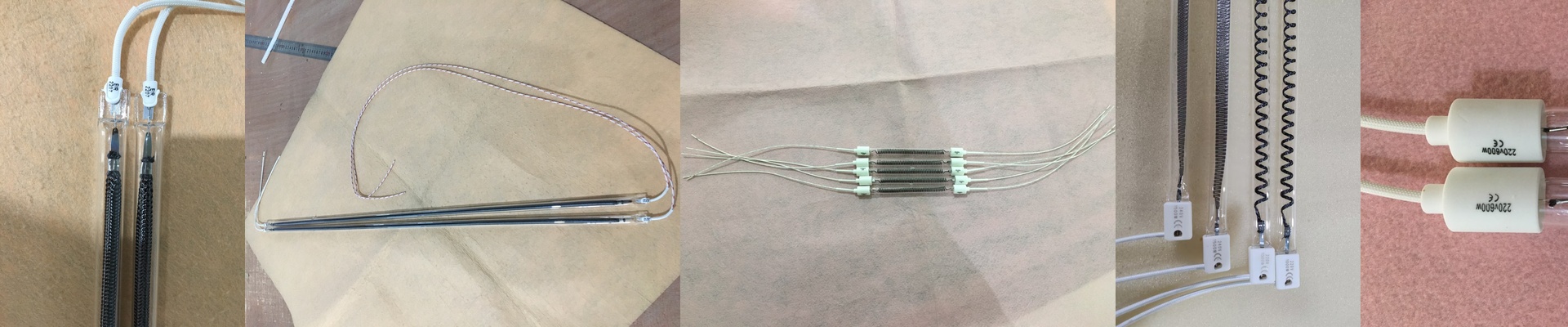
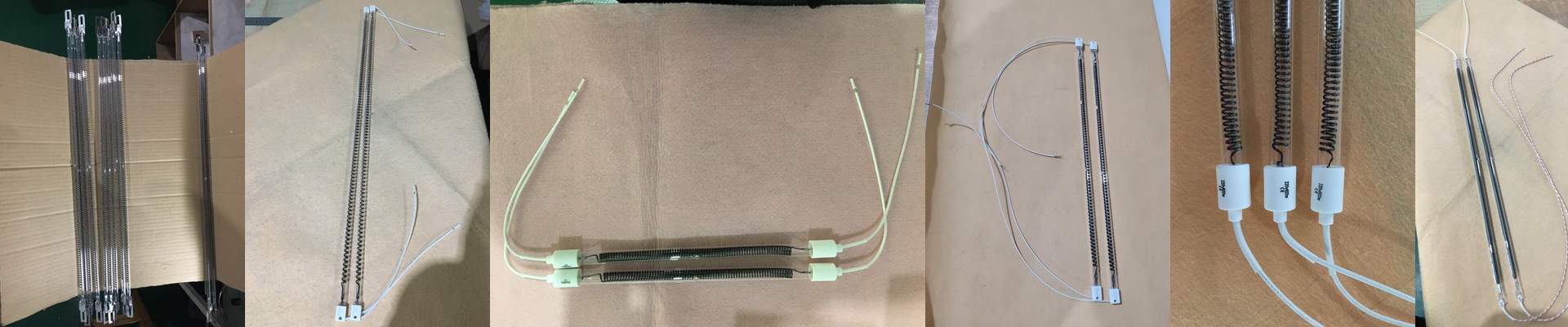
We engineer the 600mm 1300W infrared carbon fiber heating lamp as a direct-radiant heat source for industrial processes that need fast thermal response, stable output, and a compact mounting footprint. This electric infrared heat lamp is built around a carbon fiber emitter inside a quartz envelope, delivering high-intensity heat where contact heating is not practical and where air heating would waste energy.
Technical Deep-Dive: Power, Voltage, and Geometry
The 1300W rating defines the lamp as a medium-to-high power emitter, intended for applications that require meaningful heat flux rather than gentle background warmth. The 600mm length is not arbitrary. It is a practical compromise between two competing needs: sufficient radiant area to cover a target width or part profile, and a stiffness that resists sagging and vibration in fixtures. This geometry supports even heating over a work zone without pushing the lamp into an oversized, fragile form. The lamp is typically designed for standard industrial voltages (commonly 230V or 400V, depending on region and system architecture). Higher voltage operation reduces current for the same power, which allows thinner internal conductors and smaller terminals. That keeps the lamp physically compact and eases the wiring load on the machine. The trade-off is clear: a 1300W lamp dumps significant heat into the surrounding space. Your enclosure, reflector, and airflow path must be spec’d to remove that heat. If you run the lamp in a sealed box without ventilation, the fixture temperature climbs, and component life drops.
Material and Design: Carbon Fiber Emitter, Quartz Envelope, and Terminations
The core of this lamp is the carbon fiber heating element. Carbon fiber provides low thermal mass, which translates into rapid warm-up and fast response to control signals. It also maintains stable resistance over time, which supports repeatable power delivery. The element is housed in a quartz envelope. Quartz withstands high operating temperatures, transmits infrared efficiently, and resists thermal shock during rapid cycling. Infrared output is tuned by element temperature and the envelope environment. For many industrial setups, the lamp is engineered to operate in the short-wave or near-short-wave band, which concentrates energy in a narrow spectral range and enables quick surface heating. The exact spectral profile depends on the element design and the quartz wall thickness. Termination choices matter in the field. Common industrial ends for linear infrared lamps include R7s and SK15. These double-ended designs simplify mounting and replacement. They provide stable mechanical support and repeatable electrical contact. If your machine is designed for a specific lamp length and end type, staying within that standard minimizes redesign time and avoids alignment issues.
Application and Benefits: Where This Configuration Wins
This 600mm 1300W infrared carbon fiber heating lamp is typically deployed where you need fast, localized heat without heating the entire room. Common use cases include drying coatings, curing adhesives, preheating plastic components, and supporting processes that demand rapid temperature ramp-up. The carbon fiber element gives you rapid thermal response, which helps match the duty cycle of automated lines. The 600mm length provides a usable heating width while keeping the lamp stiff enough to survive vibration and handling. The 1300W power level delivers enough heat density for many production tasks, while remaining manageable for standard electrical infrastructure. Installation is straightforward when the lamp matches the machine’s end cap and voltage spec. The lamp is a drop-in replacement for existing fixtures, so you can service a line without reworking the entire heater assembly. One realistic constraint: infrared lamps are sensitive to surface contamination. Oil, dust, and residues reduce output and create hot spots. If your process generates fumes or deposits, plan for reflector cleaning and adequate filtration. That is the practical price for running a high-intensity electric infrared heat lamp in a real factory environment.