Introduction
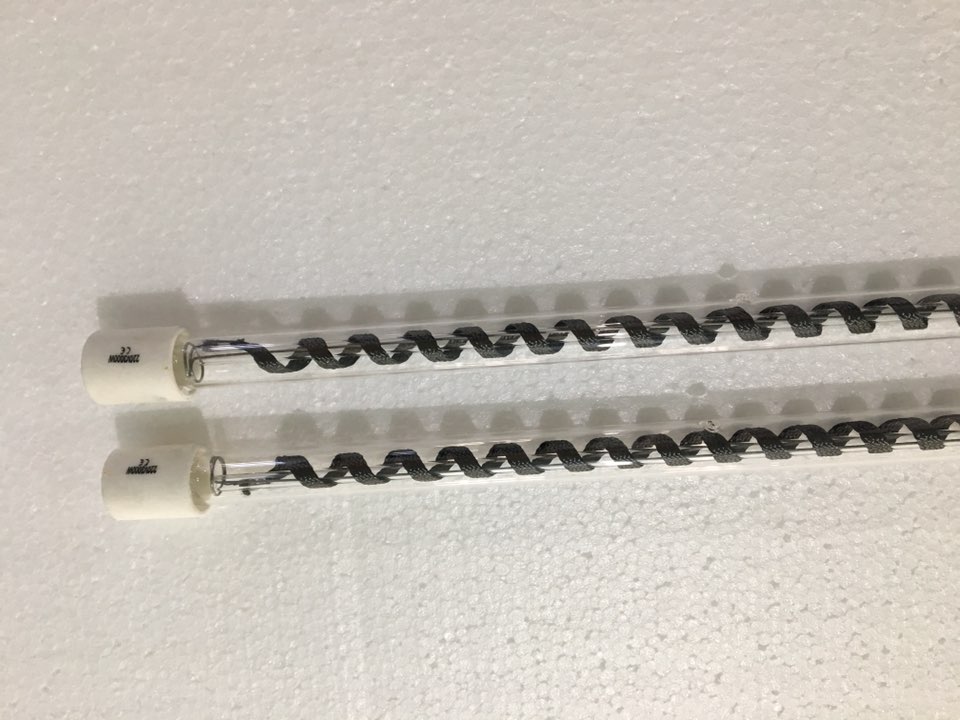
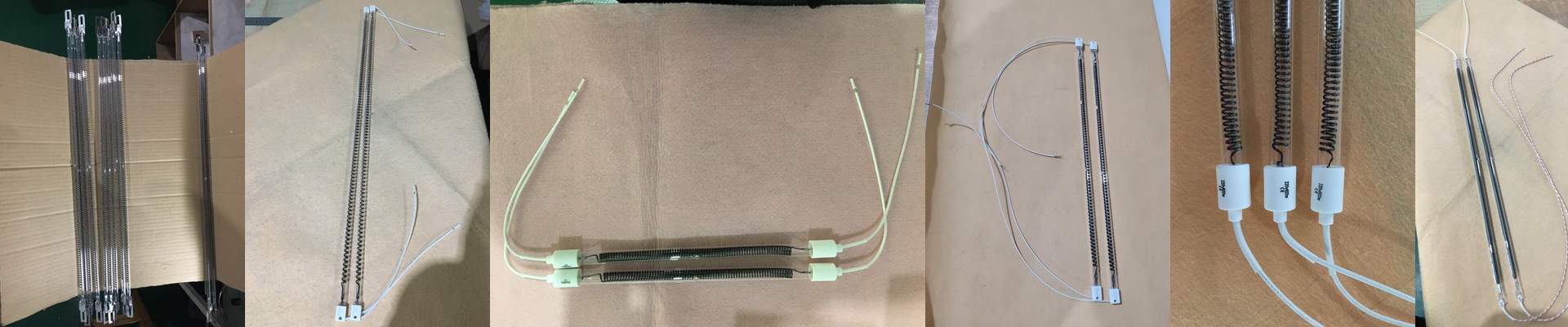
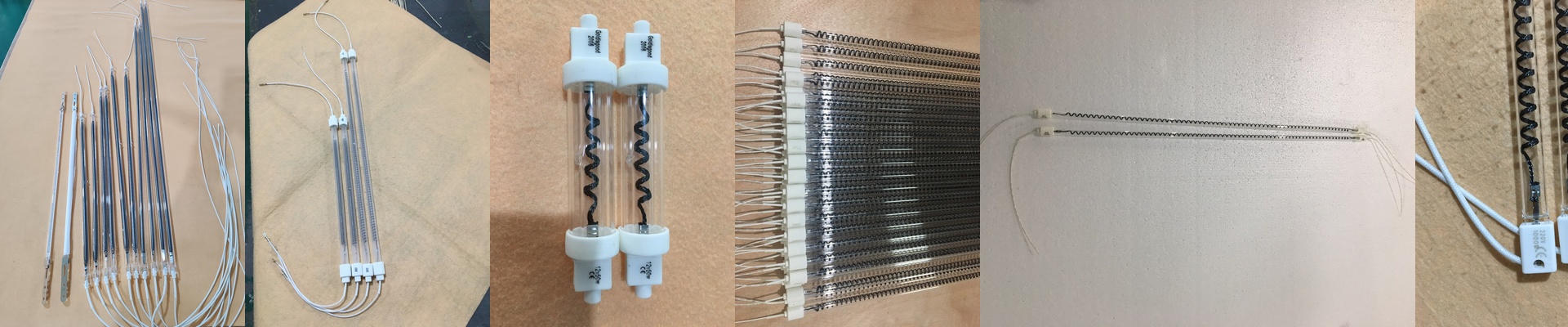
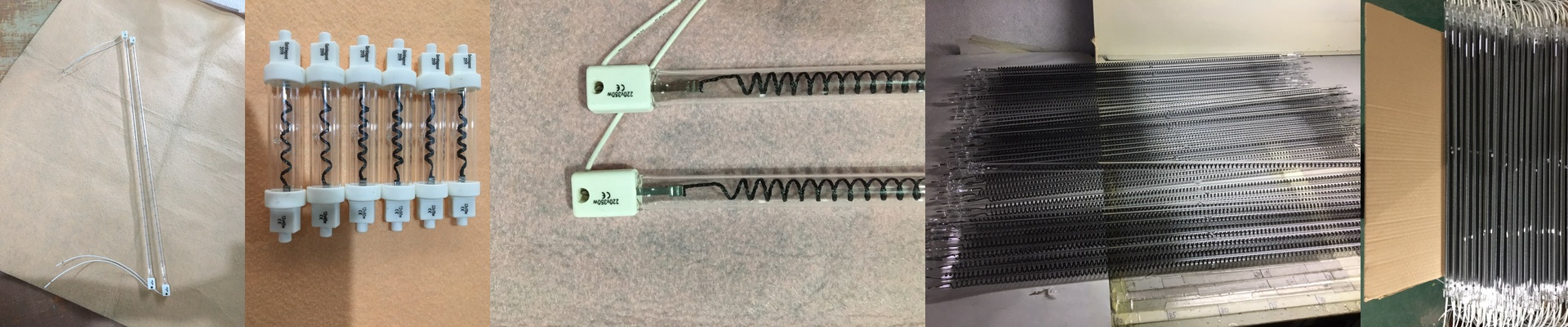
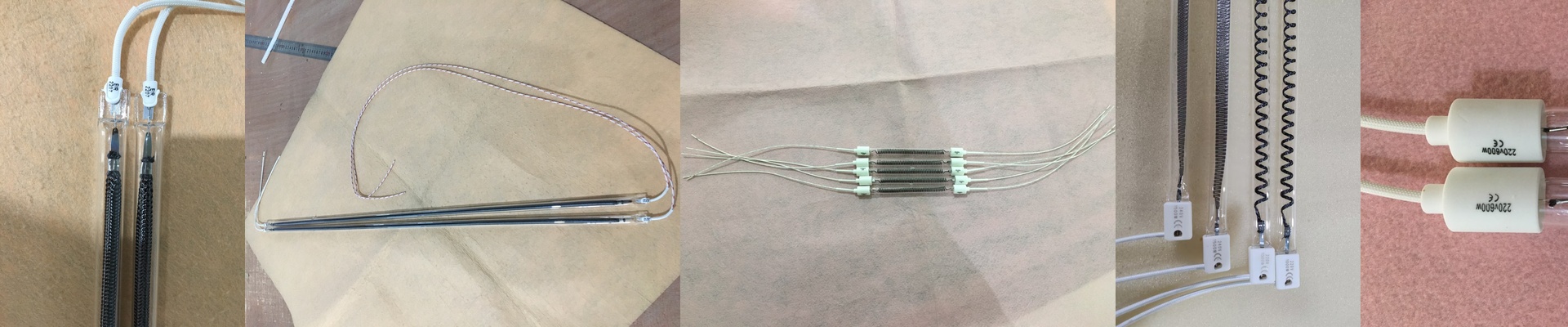
We built this 2500W infrared carbon fiber lamp for one reason: to give industrial processes the kind of heat that hits hard, hits fast, and fits where it needs to. The heart of it is a clear carbon fiber heating element tucked inside a 1260mm quartz tube. It was designed for places where you need focused energy, in a tight space, and where waiting around just isn’t an option.
What makes it tick
Here’s the thing about the 2500W rating—it’s not just about raw power. It’s about hitting that sweet spot: enough heat density to get the job done, without pushing the element into overdrive. That power in a 1260mm length means the watt loading is high enough to get you a rapid temperature rise. In real life? The lamp comes up to operating temperature quickly. Less waiting. More running. Of course, heat is the trade-off. A 2500W lamp throws off a lot of it, so your machine’s cooling and clearance need to be thought through up front. If the enclosure is cramped, you’ll feel the temperature climb around the components.
The materials, in plain terms
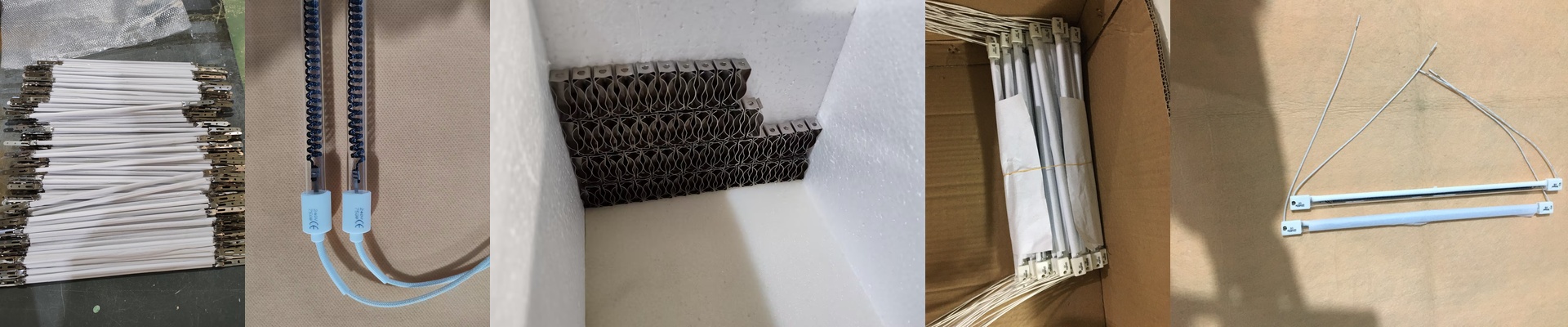
The clear quartz envelope isn’t there by accident. It lets infrared energy pass through cleanly, and it handles sudden temperature swings far better than standard glass. Inside, the carbon fiber element has low thermal mass. That’s just a fancy way of saying it heats up fast and reacts immediately when you change the power. No lag. No guesswork. And the R7s base? We chose it for industrial real life. It holds tight, keeps the lamp aligned even with vibration and shock, and makes the electrical contact solid every time. Installation is simple: line up the pins, seat the lamp, and lock it in place.
Where it shines (and why it matters)
This setup is a go-to for heating zones in plastic processing—think PET blowing—where you need steady infrared heat across a specific length. The 1260mm length covers a broad area with a single lamp, which means cleaner wiring and fewer brackets to deal with. The carbon fiber element also takes repeated heating and cooling in stride, much better than traditional wire-wound designs. That matters on lines that stop and start a lot. You get output you can count on, predictable cycle times, and fewer headaches when you’re switching things over. If you’re swapping out an existing heater, this lamp drops right in as a direct replacement—as long as your machine layout matches the length and mounting. Just double-check your control setup can handle the power draw, because 2500W is not something to treat lightly.