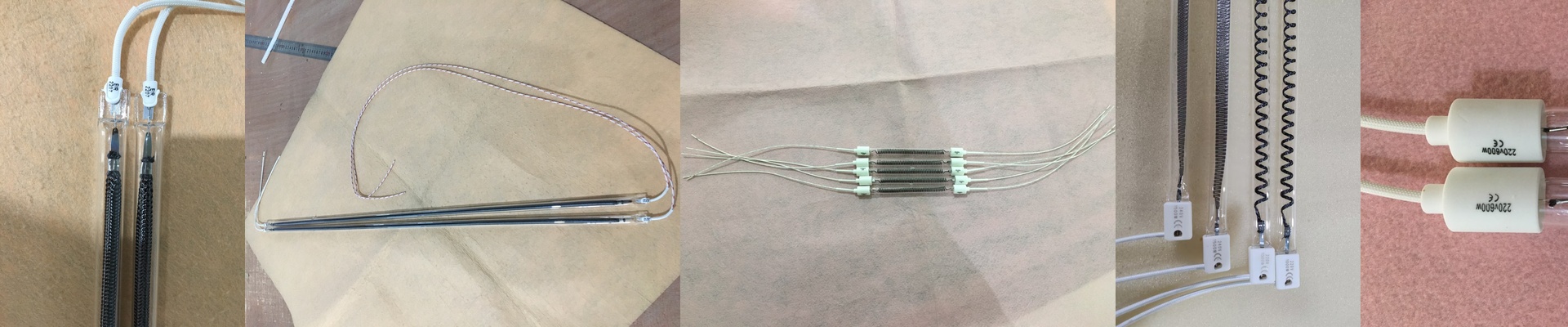
Carbon Fiber Heating Elements: The Secret to Baking That Just Works
We build carbon fiber heating elements for food baking ovens—the kind you need when you can’t afford to wait around for heat. They’re for the ovens that demand fast ramp-up, precise temperature control, and a footprint that doesn’t fight your space. Think of them as the upgrade from older resistance wire designs. You get higher heat density, and you don’t get hot spots. Just clean, even performance.
Power, Voltage, and Size: Matched to the Job
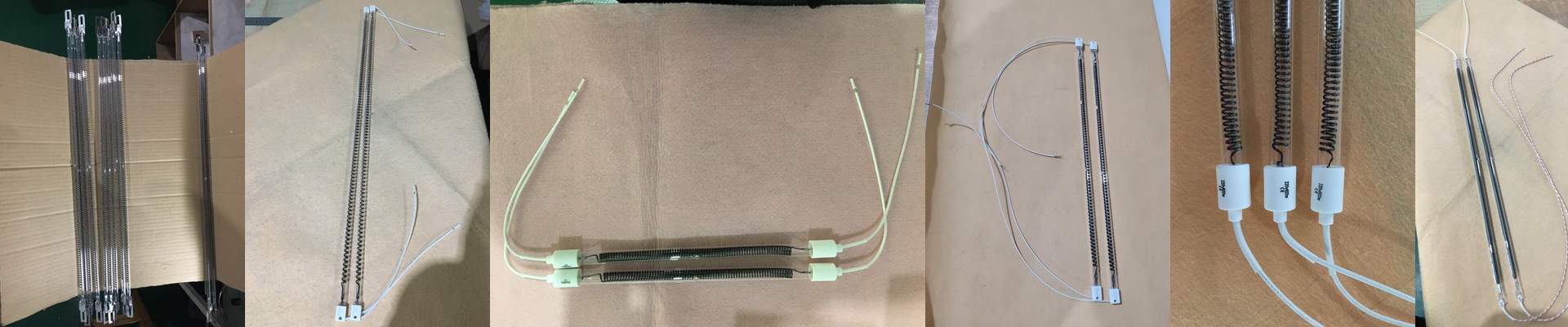
You size wattage and voltage to the oven zone, not the wall outlet. That’s the smart way to do it. In industrial setups, 400V is common because it keeps the current lower for the same power. That means you can use smaller wiring and avoid voltage drop across long runs. A 300mm tube length? That’s about focusing the heat exactly where you need it, so the temperature profile stays predictable across the baking chamber. Wattage is chosen to hit your target temperature fast—and hold it steady, even when the door keeps opening and the product load changes.
Materials and Design: Built to Stay Calm Under Pressure
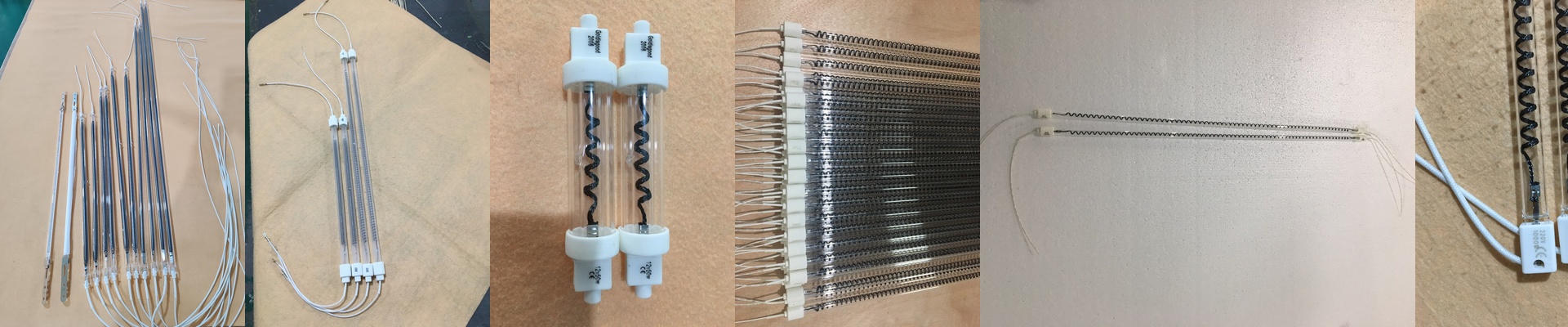
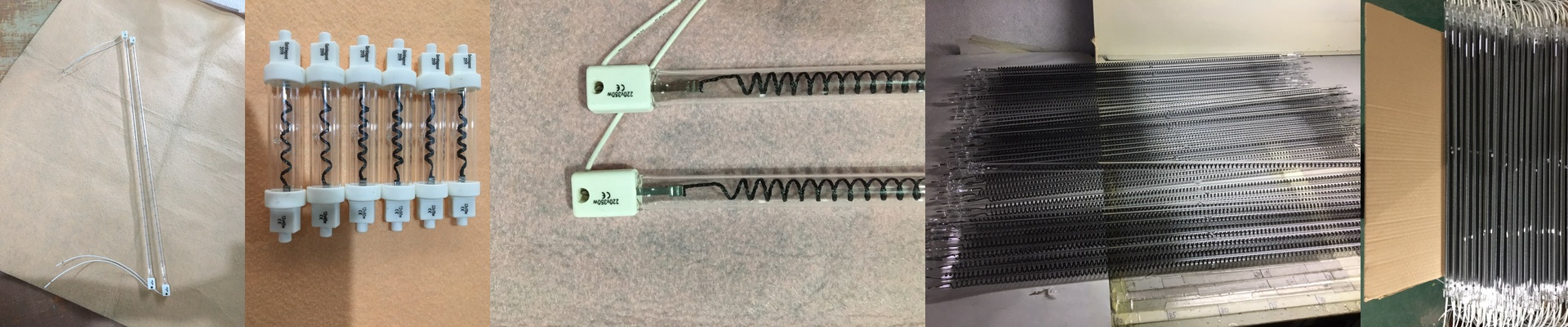
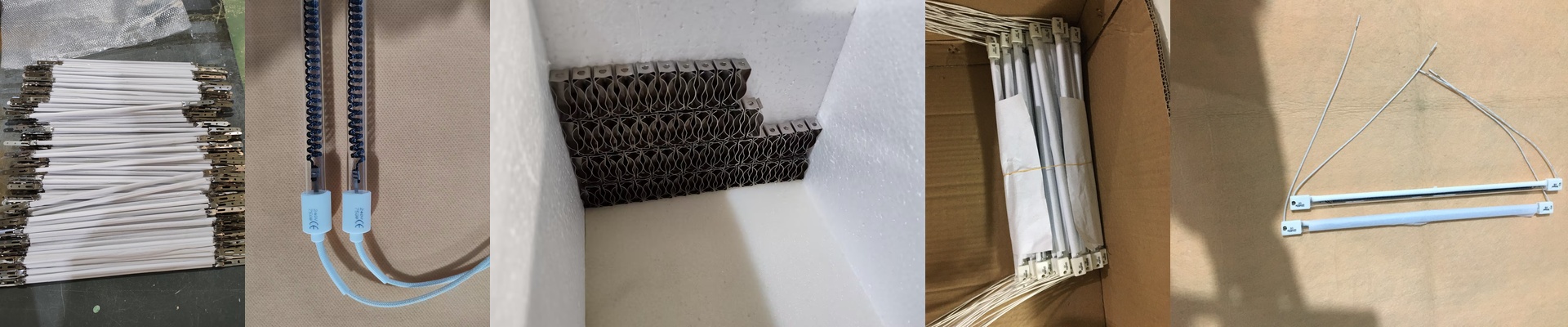
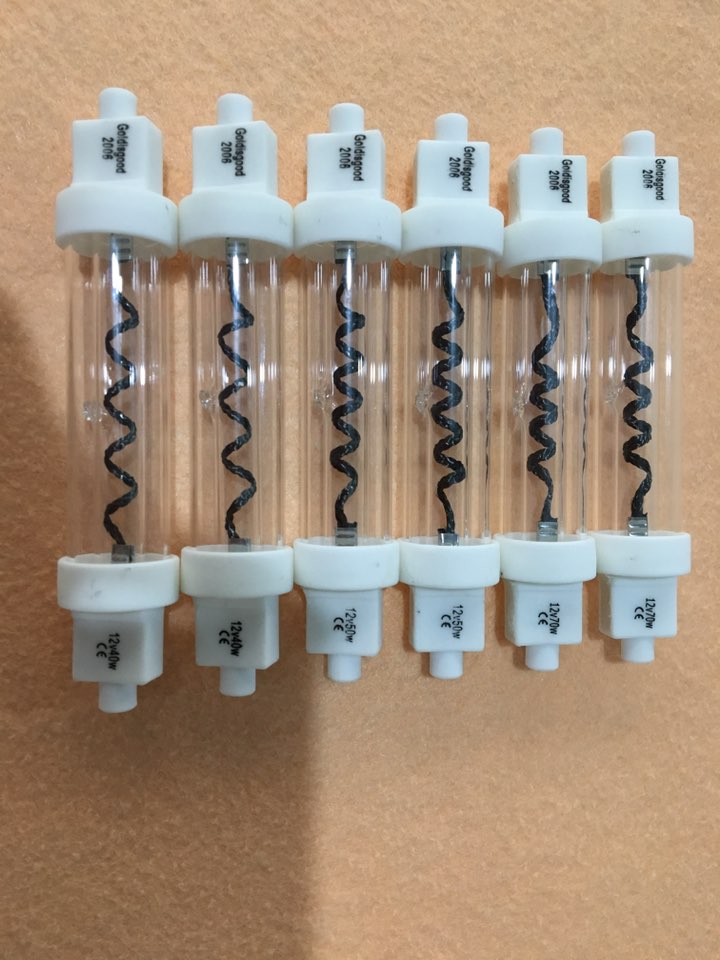
The carbon fiber sits inside a quartz tube. Quartz is the reason this holds up through rapid heating and cooling cycles, and it keeps dielectric strength even when things get seriously hot. We add a reflective coating to cut down on radiated losses. That means more energy goes where you want it: onto the product. It helps your process feel repeatable, shift after shift. And the R7s connector is there for a simple reason—it’s proven in real industrial use. It locks in quickly and stays reliable even with vibration and thermal expansion. No more worrying about intermittent shutdowns.
What It Feels Like in a Food Baking Line
In food baking, uptime is everything. These elements heat up fast. They run clean. And they install as a straightforward drop-in replacement. There is one trade-off to own: heat density. You get lightning-quick response, but the oven’s cooling and airflow have to be matched to that. Do that right, and the element and control system stay within safe operating limits. The result is baking that feels steady—less guesswork, fewer pauses, more consistent output.