Technical Deep-Dive: Power, Voltage, and Dimensions
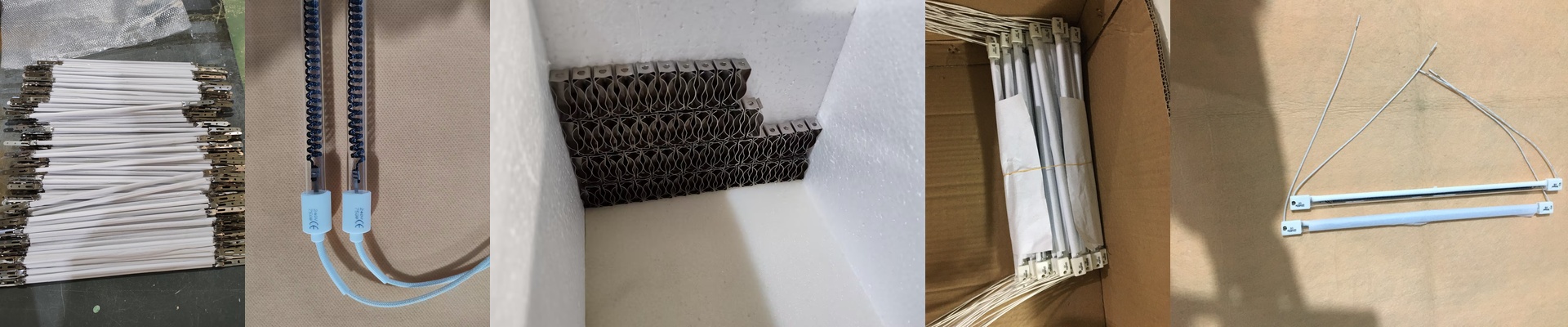
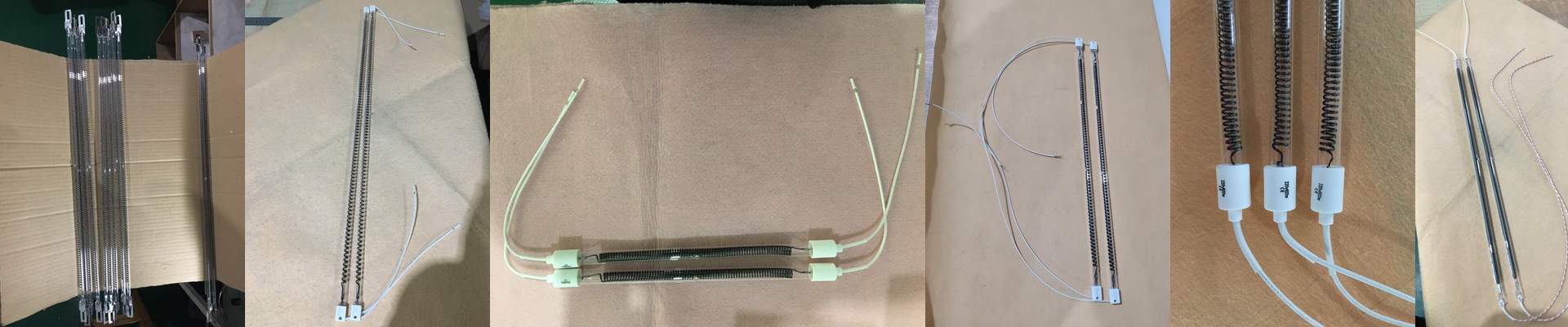
We build these tubes to put the heat exactly where you need it, no more, no less. We run them on a custom 400V input, which means you can run long lines without your wiring turning into a heavy, expensive mess. Keeps the wire gauge sensible. Then we dial the wattage to match your load—often hitting 2500W or more—so you get the kind of heat density that makes fast cycles possible. And the length? We match it to your equipment footprint. So you get full coverage without wasting space. It just fits, and the heat profile lines up perfectly with the shape of the part.
Material & Design: Quartz, Halogen, and Connectors
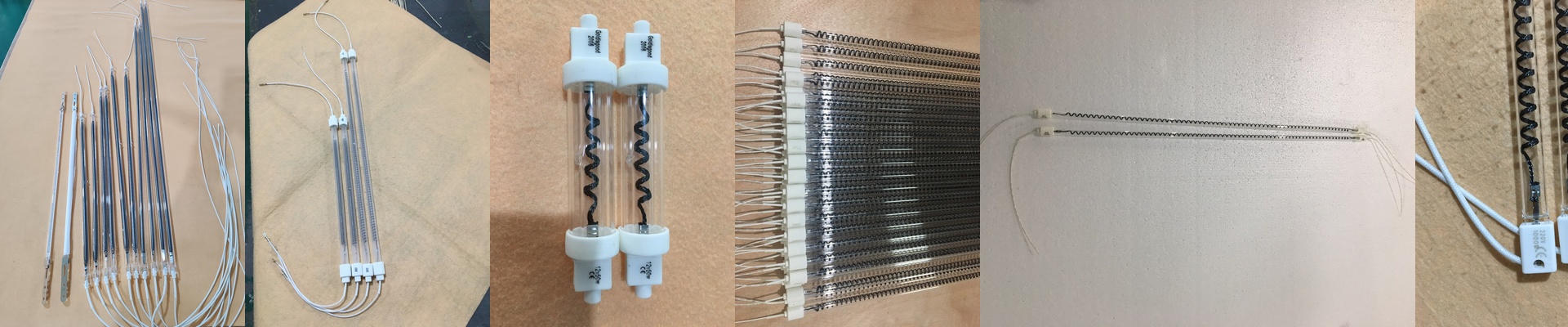
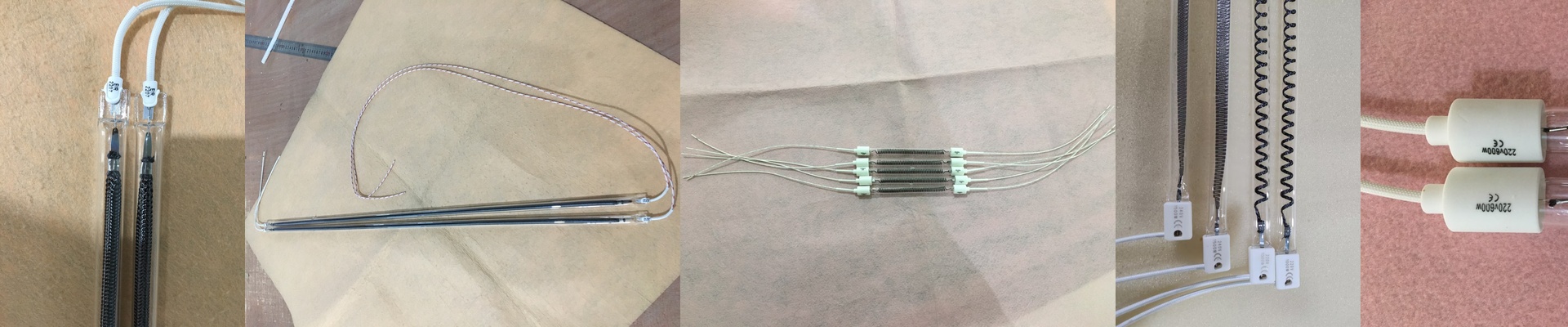
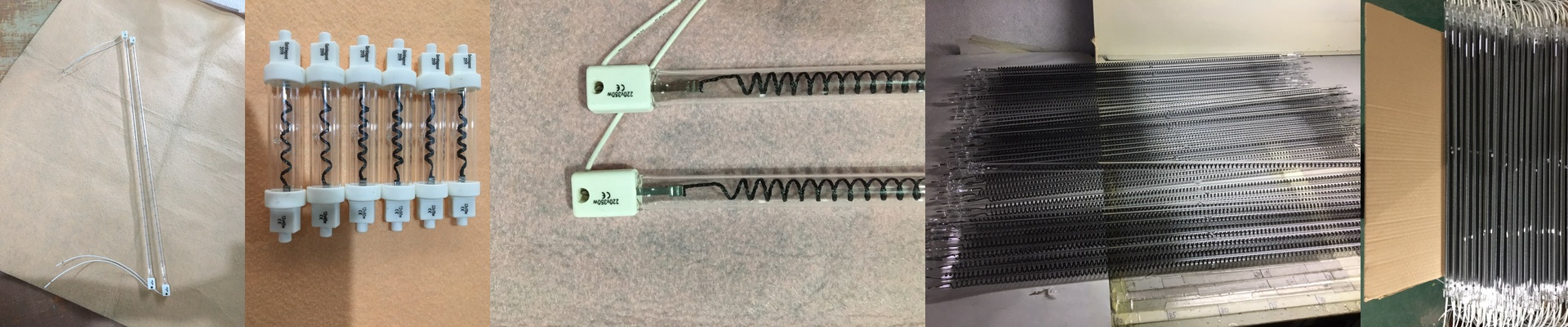
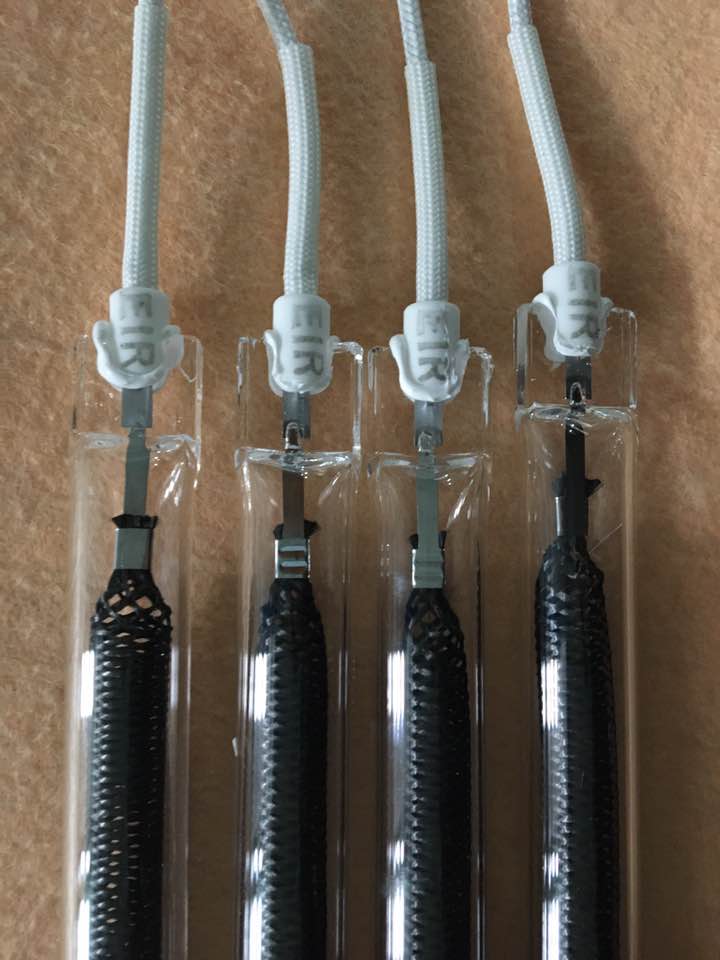
The quartz envelope is the backbone. It handles sudden temperature swings and stays rock-solid even when things get scorching. Inside, the halogen gas does a neat trick: it keeps the element clean by regenerating the tungsten. That fights blackening and keeps output steady over the life of the tube. The carbon heating element gives you consistent resistance and jumps to temperature fast. For hookup, we use an R7s connector. It’s straightforward—drop it in, lock it down, wire it up. If your fixture is different, we can do SK15 or other terminals to match your mounting and polarity.
Application & Benefits: Tight Spaces, Tough Duty
These tubes are born for industrial work—PET blowing, shrink tunnels, oven retrofits. The kind of places where space is tight and cycle times are short. They pack a lot of wattage into a small package, so the heat shows up exactly where you need it, exactly when you need it. Here’s the catch: that kind of heat density needs a properly designed cooling path and good thermal management around the hot zone. But run it within the rated specs, and you get heat you can count on. Fewer burnouts. Less downtime. Just repeatable performance, shift after shift.