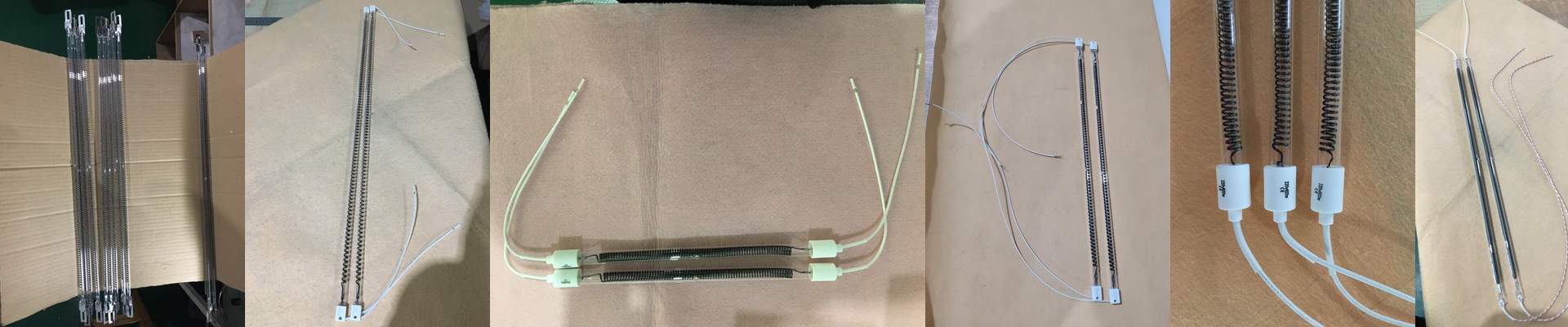
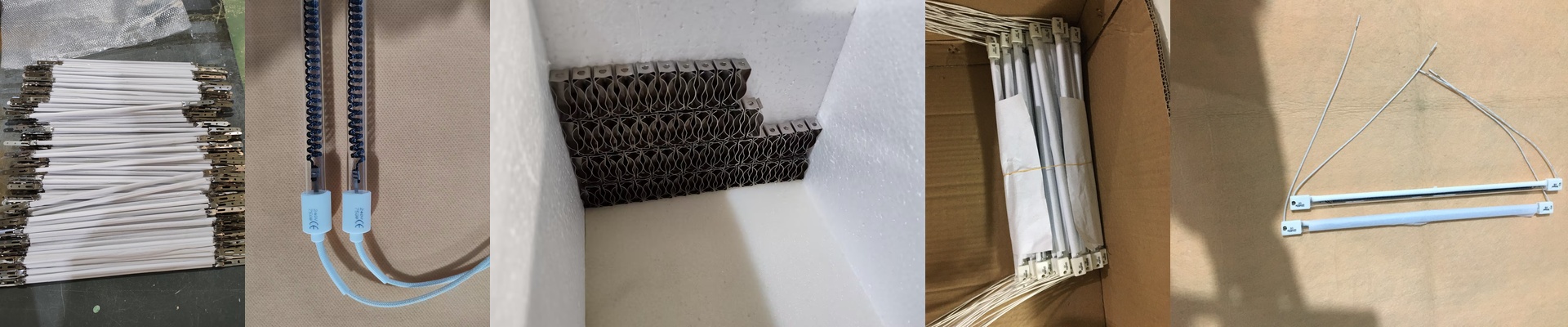
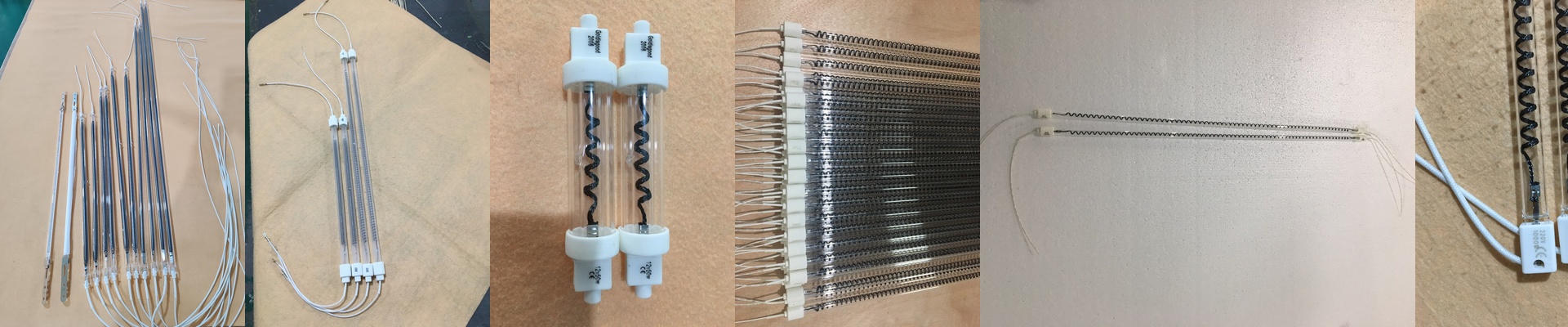
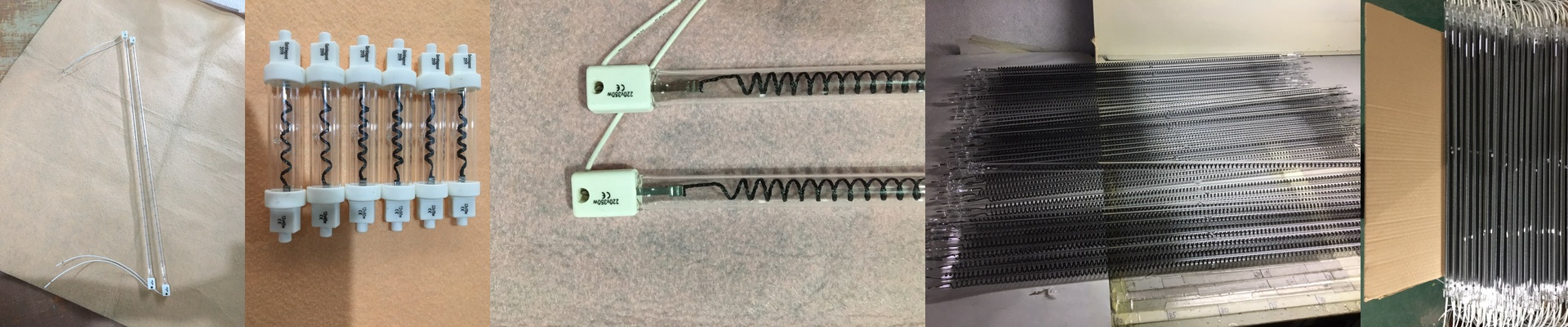
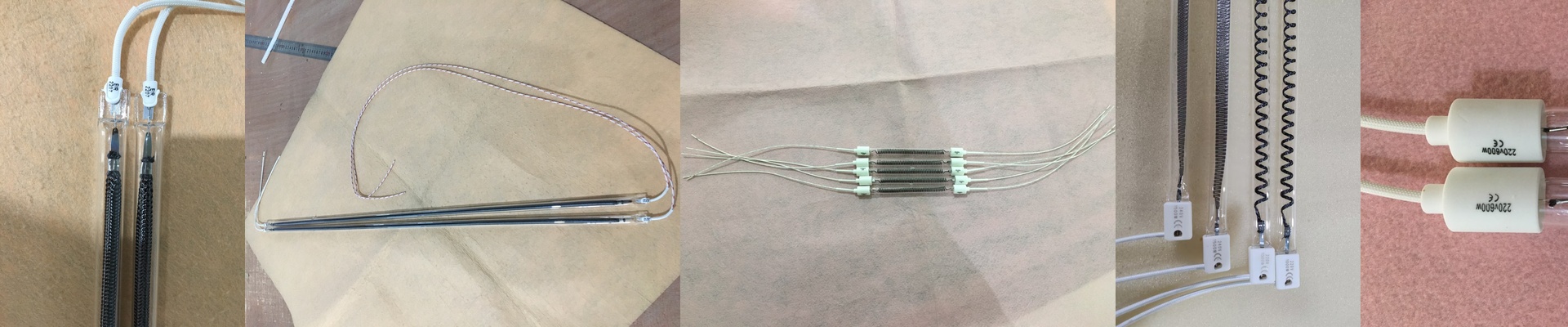
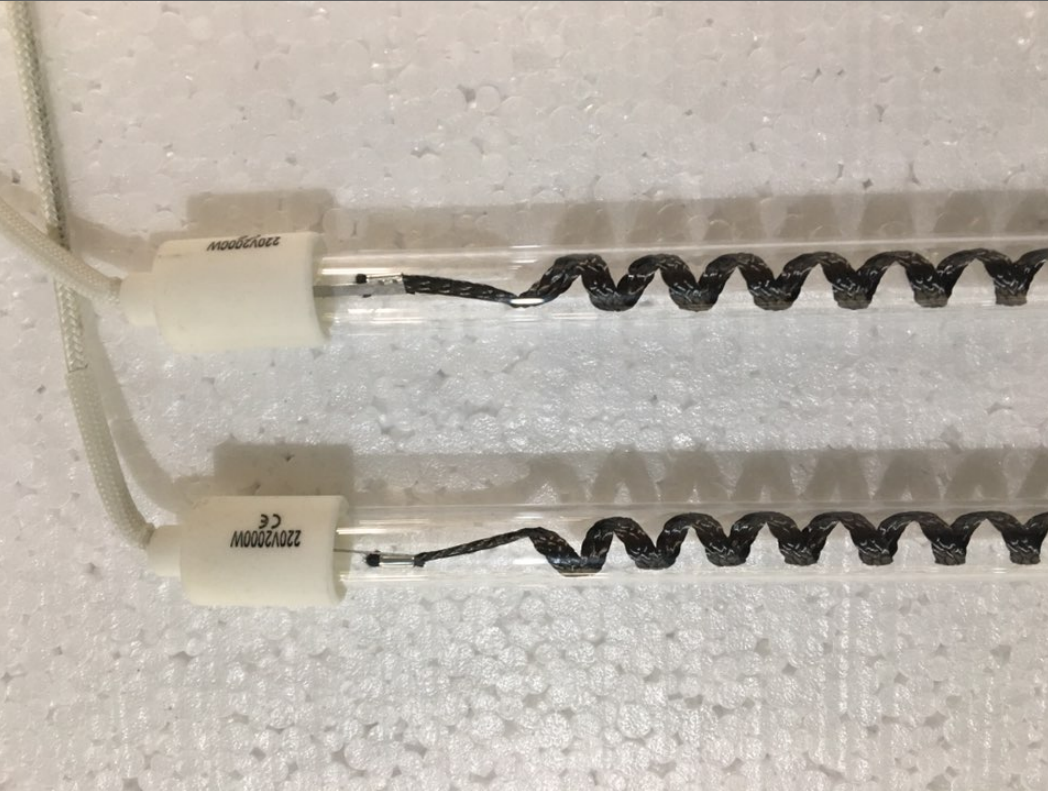
Let’s talk about the 390mm Carbon Fiber Infrared Heater
If you’re looking for heat that hits fast and hits deep, you’ve probably realized that old-school metal alloy elements just don’t cut it. That’s why we went with carbon fiber filaments tucked inside a quartz envelope for our 390mm lamps. The big difference? These don’t just bake the surface of your material. They push heat deeper into the product without scorching the outside. It’s a much smarter way to get things warm. The nitty-gritty on heat At 390mm, you’ve got a very specific footprint to work with. Now, the wattage you choose relative to that length is what really dictates your heat density. Here’s the cool part: carbon fiber runs cooler than tungsten, but it pumps out way more long-wave infrared radiation. For you, that means the heat is spread out evenly. No weird cold spots. Plus, these things warm up almost instantly. Your machines spend less time sitting idle and more time actually working. Building it to last (mostly) We use high-purity quartz for the tubing. Why? Because cheap glass warps when things get hot, and that’s a nightmare you don’t want. Most of these will slide right into your standard industrial sockets. But a quick heads-up: carbon fiber handles electricity differently than metal. Make sure your power supply matches the lamp’s voltage exactly. If you don’t, you’ll fry the filament, and then you’re just staring at an expensive piece of glass. Where they shine (and where to be careful) These are perfect for things like PET blowing, plastic welding, or drying—basically anywhere where a “hot spot” could ruin your product. It’s a much gentler, more consistent heat. But look, let’s be real. These tubes are fragile. If your shop floor is shaking or you’ve got heavy machinery slamming around nearby, don’t just toss these in. Use dampened brackets. If you don’t secure that 390mm tube properly, the quartz will crack right at the seals, and you’ll be replacing it a lot sooner than you’d like.