Stop Wasting Floor Space on Your Brake Pad Coating Lines
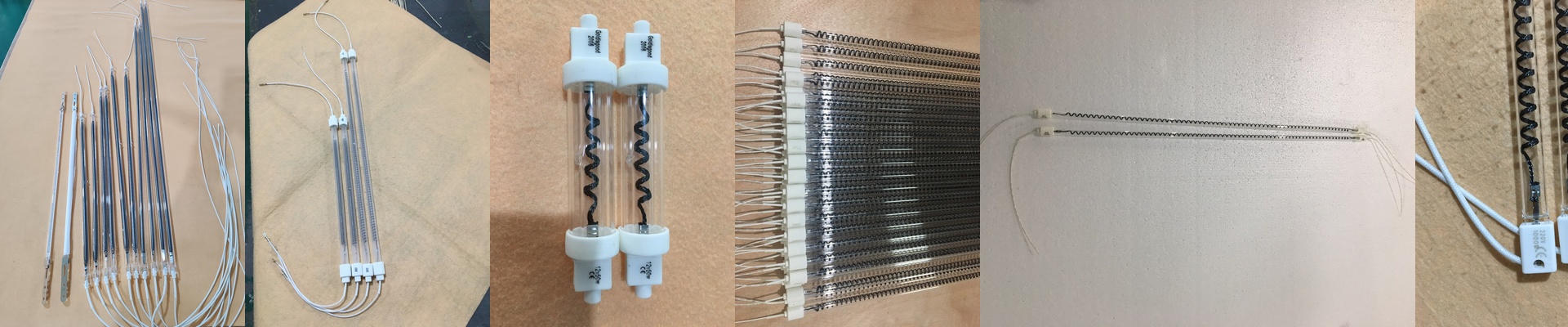
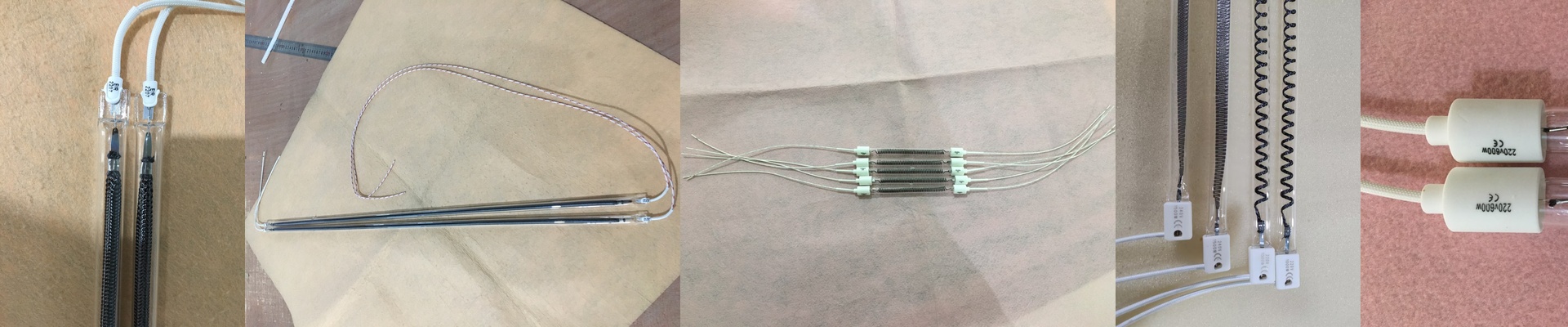
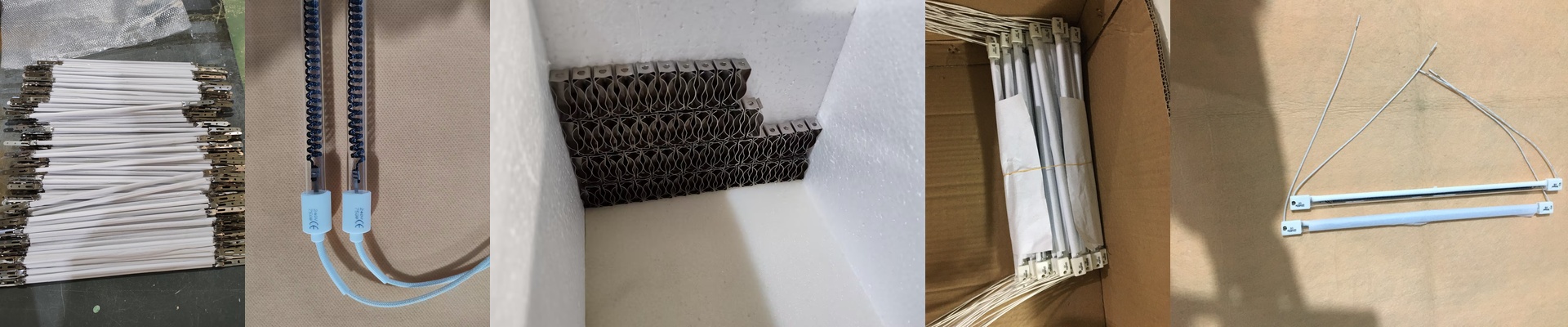
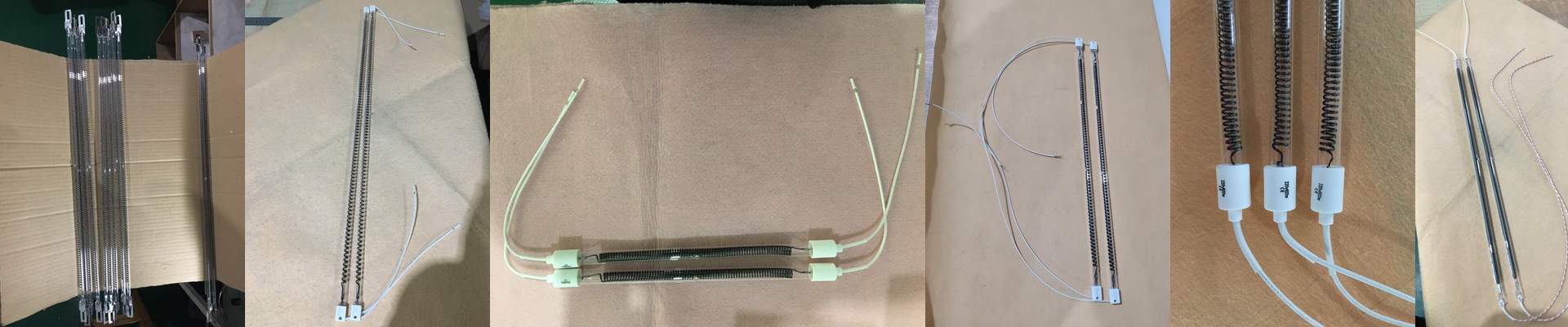
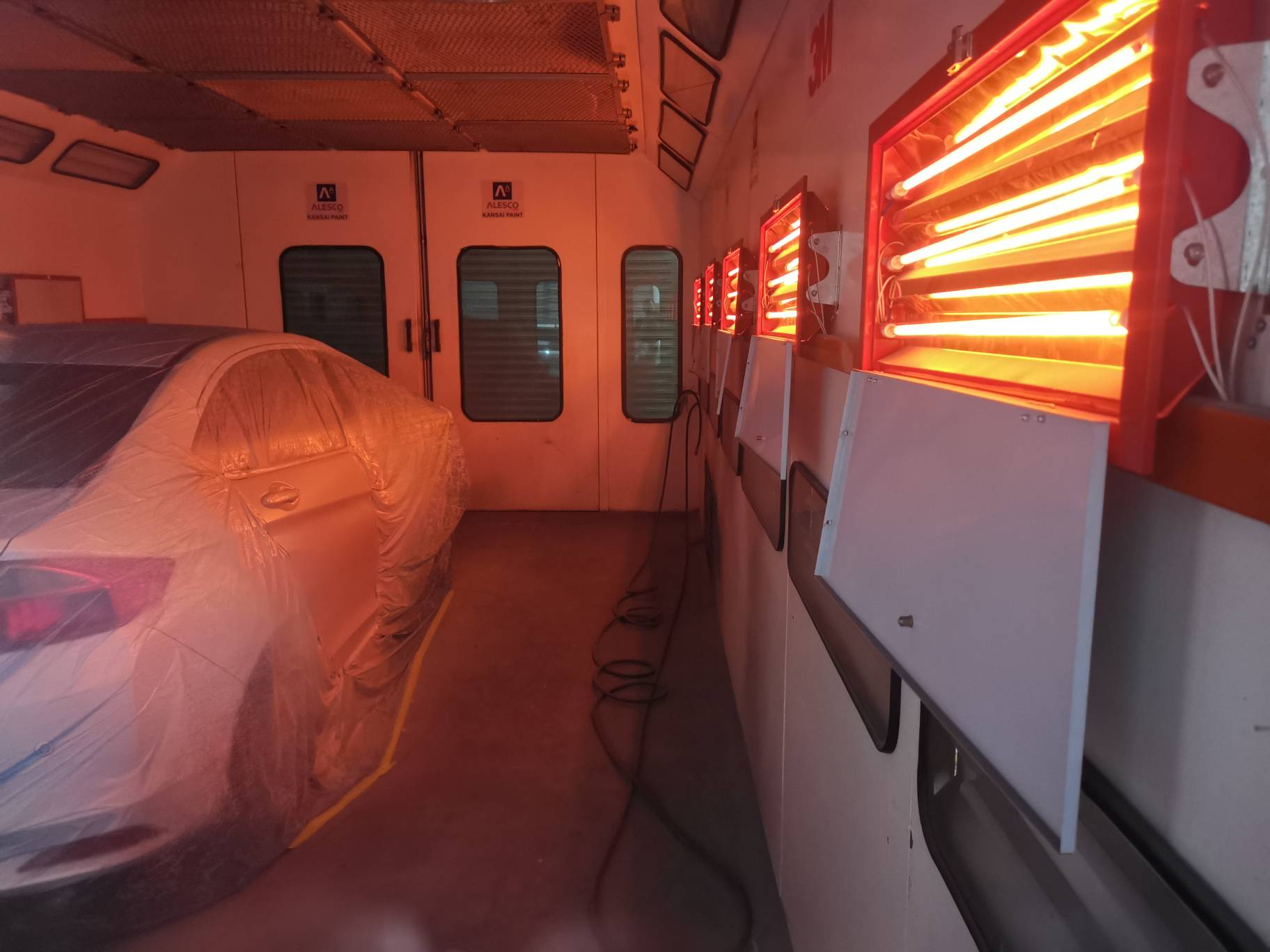
Most shops still use those massive convection ovens. You know the ones—they heat up the air, and then the air eventually heats up the part. It’s slow. It’s clunky. And because it takes so long to cure, you end up with these endless tunnels taking up half your factory floor. There’s a better way. Shortwave infrared (IR) emitters change the whole math of the process. The trick is how the heat actually moves. With IR, you aren’t waiting for the air to get warm. The energy hits the coating directly. It’s like stepping out into the sun on a cold winter day—you feel the heat instantly, even if the air around you is freezing. Because the heat sinks in deeper and faster, you can seriously shrink your tunnel. You get the same cure in a fraction of the space. But you can’t just “set it and forget it.” When you tighten up the tunnel, you’re packing a lot more heat into a smaller area. We usually spec these systems with high wattage per inch so you can keep your production numbers up (or even push them higher) without needing a bigger building. Here is where you have to be careful:belt speed. If you crank the line too fast, you’ll scorch the surface before the core is even warm. Go too slow, and you’ll cook the substrate. To stop the guessing game, we plug in closed-loop pyrometers. They watch the temperature in real-time and tweak the power automatically. It takes the stress out of the operation. The reality check I won’t tell you IR is a magic wand for every single line. It’s powerful, and that power creates a lot of heat inside the oven housing. If you’re trying to slap IR emitters into an old ventilation system designed for a low-temp oven, your electronics are going to fry. You need to make sure your cooling fans and exhaust can actually handle the load. The payoff? Your energy bill drops. Instead of paying to heat the entire room and the oven walls, you’re only spending money to heat the actual product. It’s just smarter.