Getting Your Brake Pad Curing Right: Ceramic vs. Semi-Metallic
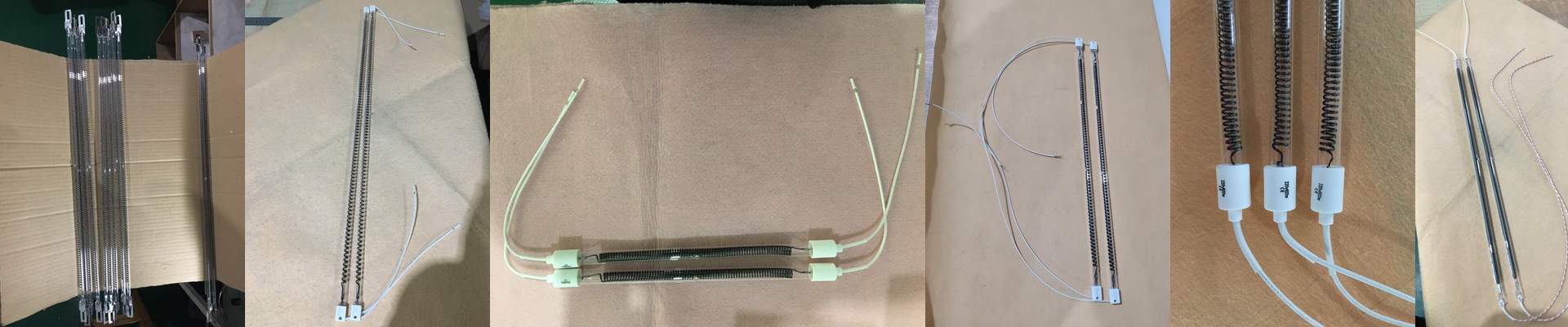
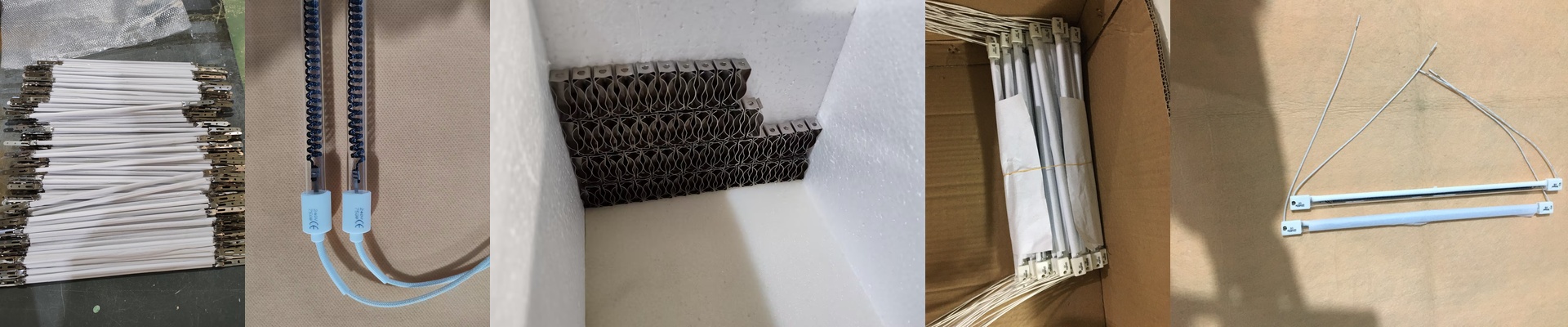
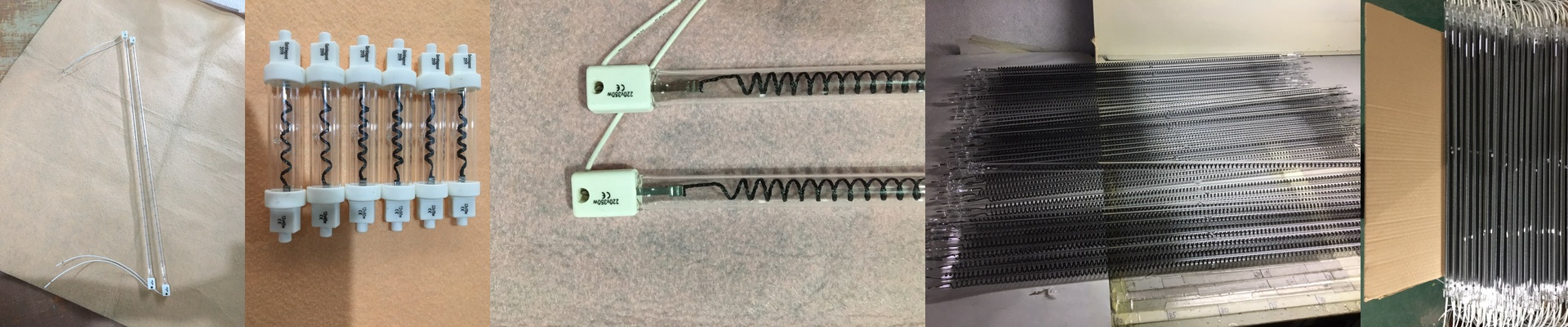
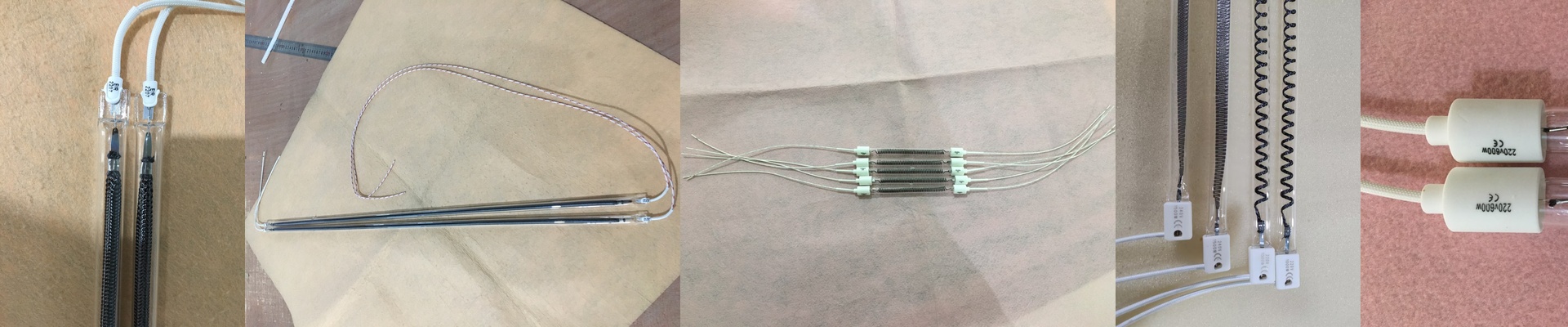
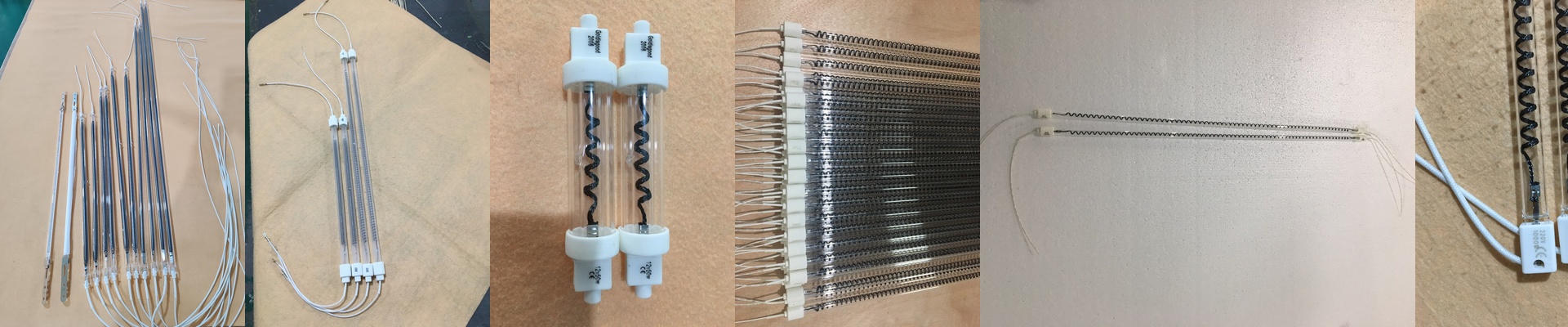
Here’s the thing about brake pads: they aren’t all built the same. A ceramic pad and a semi-metallic pad handle heat in completely different ways. If you try to use the same IR lamp for both, you’re asking for trouble. You’ll either end up with ceramic pads that aren’t cured all the way through, or you’ll literally burn the organic binders right out of your semi-metallics. It’s a mess. That’s why we don’t do “one size fits all.” We build our IR setups based on how each specific material actually absorbs heat. The wavelength trick Ceramic pads need the heat to soak in deep. If it doesn’t, the bonding agents won’t set, but the surface will scorch. Semi-metallics are a different story—they’ve got steel fibers and copper that act like mirrors, bouncing the IR energy right back. To fix this, we swap between short-wave and medium-wave wavelengths. We match the light to the material’s “sweet spot.” This stops that annoying “skinning” effect where the outside looks hard and finished, but the core is still wet. Power and heat density We use high-wattage quartz tubes because they hit the target temperature fast. But you can’t just blast heat and hope for the best. We spend a lot of time figuring out exactly where the lamp sits and how far it is from the pad to avoid those dreaded hot spots. Fast cycle times are great, but they’re brutal on your reflectors. To keep the energy moving straight into the pad, we use polished aluminum or gold-plated reflectors. One quick tip: check your power supply. Those cold starts create a massive surge that can trip a weak system. And for heaven’s sake, make sure your cooling fans are up to the task. If they aren’t, the lamp ends will melt your sockets. Keeping it running Our systems are designed to drop right into your existing industrial racks without a fight. The wiring is simple. But if you want to keep things smooth, use PID controllers. They modulate the power so your pads don’t overheat if the line suddenly stops. And remember, factories are dusty. Really dusty. That dust settles on the quartz glass and kills your heat output. Worse, it can cause the tube to overheat in one spot and crack. Give them a quick wipe-down once a week. It takes two minutes and saves you from a costly breakdown.