Introduction
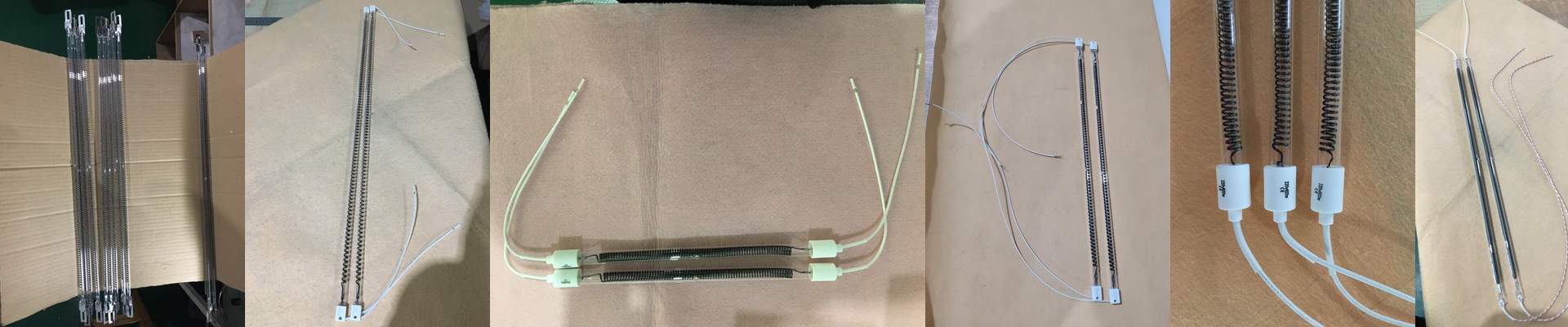
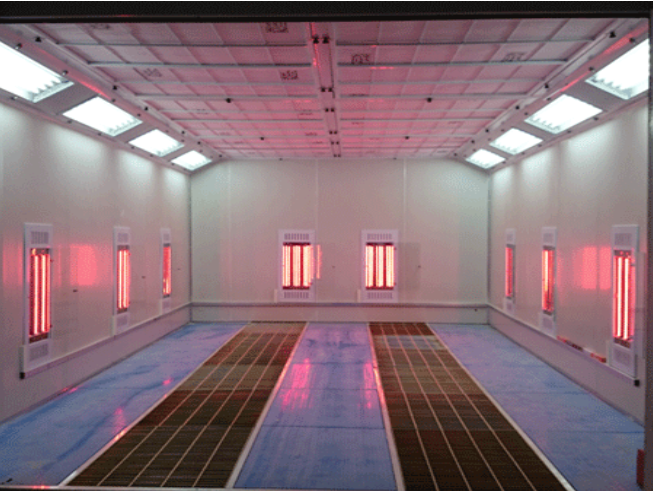
We built these infrared lamps for one specific mission: to help the brake pad industry cure coatings faster and smarter. Forget the old way of heating up the whole room with convection. We went straight for radiant heat, hitting the brake pads with focused energy. The result? You get a much smaller drying tunnel, and your line can move at a speed that finally keeps up with demand.
The Inside Story
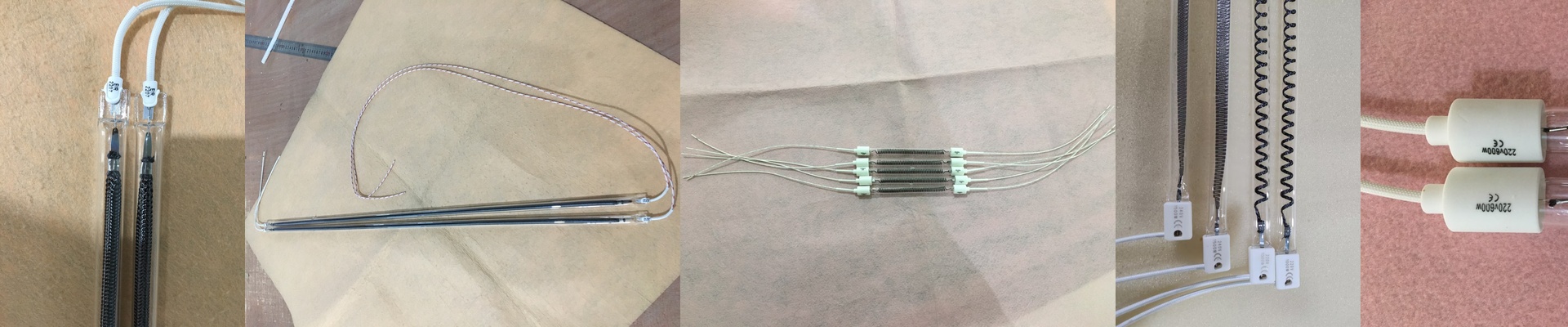
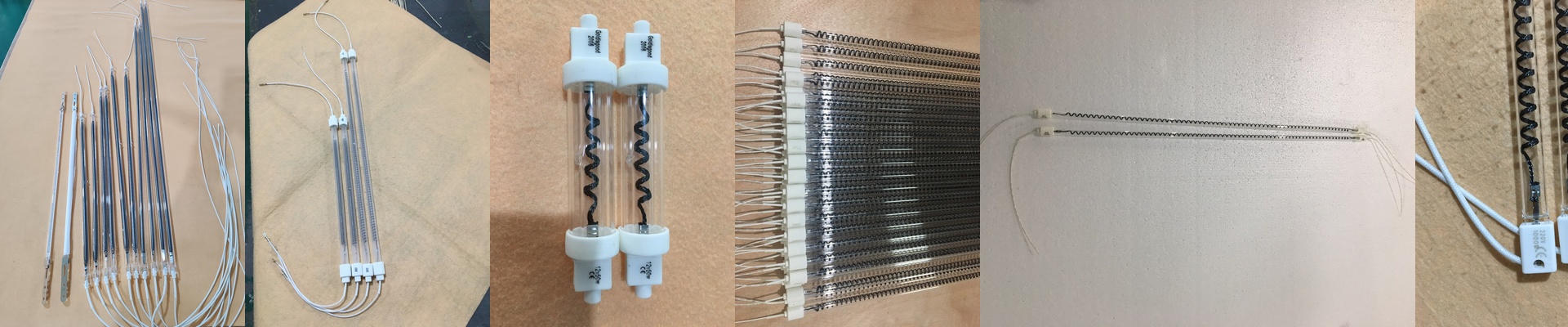
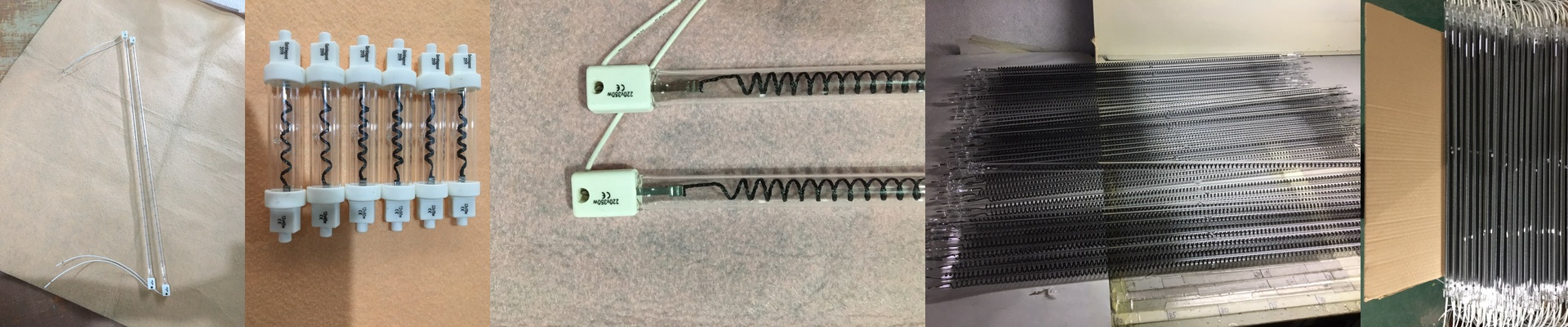
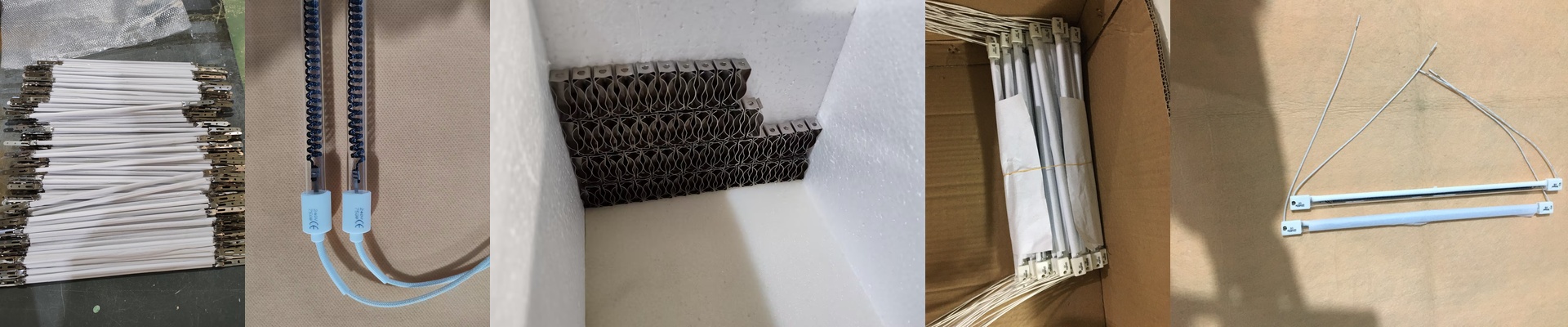
Here’s the thing about these lamps: they’re all about packing a serious punch into a small space. A single unit runs on 400V, draws 2500W, and fits into a tight 300mm tube. That’s not by accident. It’s a deliberate design to deliver intense, pinpoint heat without tripping breakers or overloading your plant’s electrical system. And that compact size? It gives you back valuable floor space. On a crowded shop floor, that extra room is a huge relief.
What Makes It Tick
Inside, you’ll find a halogen heating element tucked inside a quartz envelope. This setup is why the lamp wakes up almost instantly. No waiting around for it to warm up. You flip it on, and it hits full power immediately. That kind of response time kills the lag you get with older methods. The coating on the brake pad soaks up this specific wavelength, turning the energy directly into surface heat. For hooking it up, we use a standard R7s connector. It’s tough, rated for high temps, and built to handle the grind of non-stop industrial work.
Real-World Results
In brake pad manufacturing, the drying and curing stage is often the slow point. It’s the bottleneck that holds everything back. Our infrared lamps go straight for that bottleneck. They deliver the concentrated energy needed to cure the coating in a fraction of the time, which means you can shorten the conveyor. You can boost your throughput without tearing the whole line apart. But, and this is important, all that focused heat means you need to plan for thermal management. The surrounding area and cooling systems have to be ready for the temperature rise. For engineers who want to slash cycle times and tighten up their production, this is a direct, drop-in upgrade that gets the job done.