Carbon Fiber IR Heat Tube Lamp: The Focused Heat Tool for Engineers Who Need Precision
We built this carbon fiber IR heat tube lamp for engineers who crave predictable, high-density heat in a tight space. This isn’t your everyday heater. It’s a purpose-built thermal tool, designed for processes that demand speed and rock-solid temperature control.
Power, Voltage, and Size: All Intentional
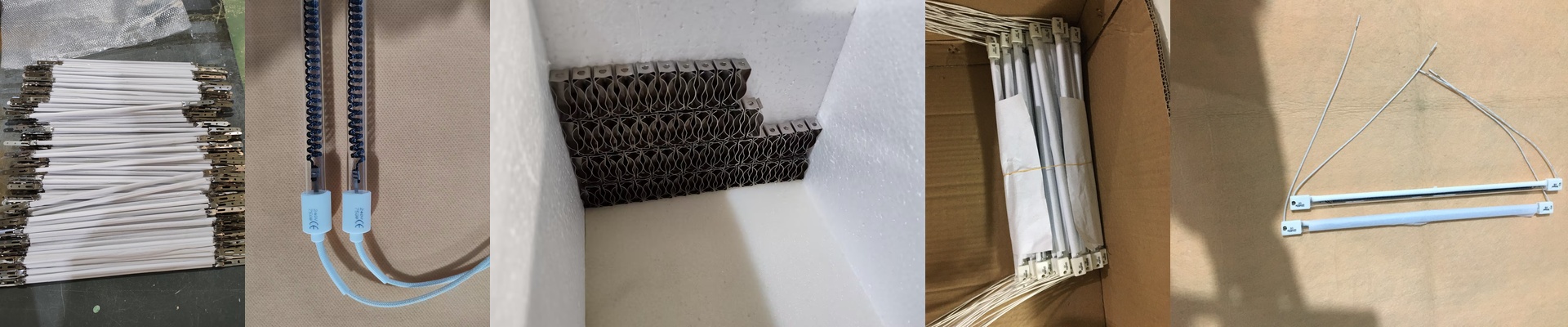
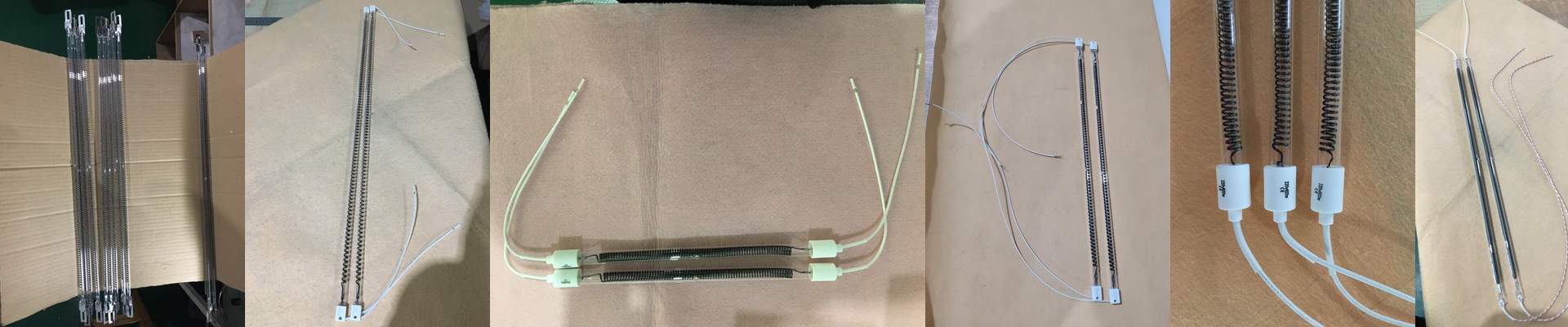
Here’s the core of it: this lamp runs on a 400V high-voltage design, cranking out 2500W of power from a 300mm quartz tube. That high voltage is the secret to packing serious power into a small package. You get high watt-density without needing a giant footprint. And that 300mm length? Totally deliberate. It concentrates the heat where you need it most. Perfect for hitting a specific spot on the line—like a preheat zone, a sealing point, or a localized dry. No need to waste energy heating the whole machine bay.
Inside the Tube: Where the Magic Happens
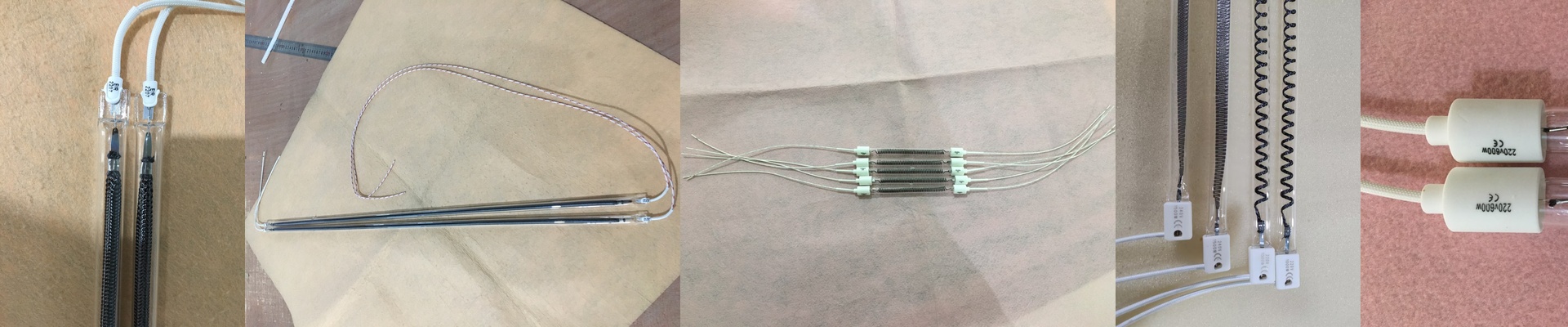
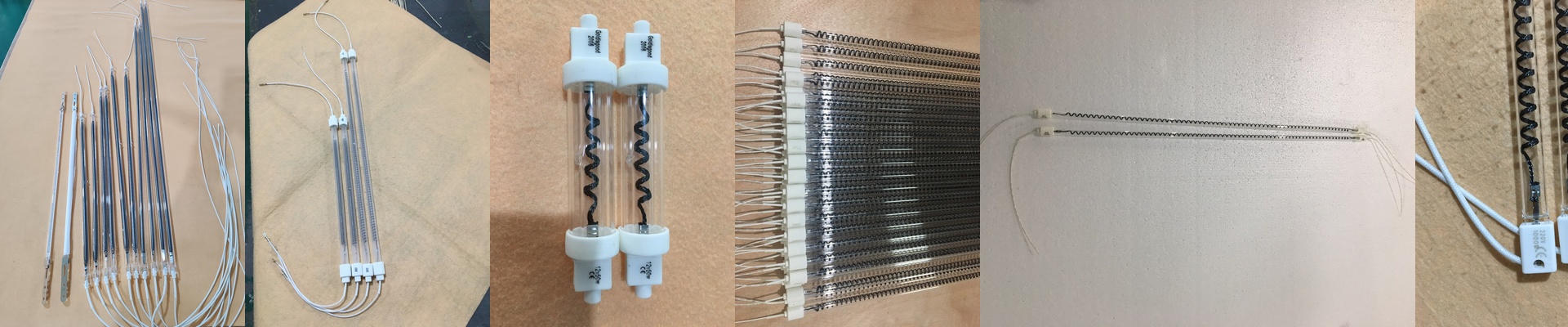
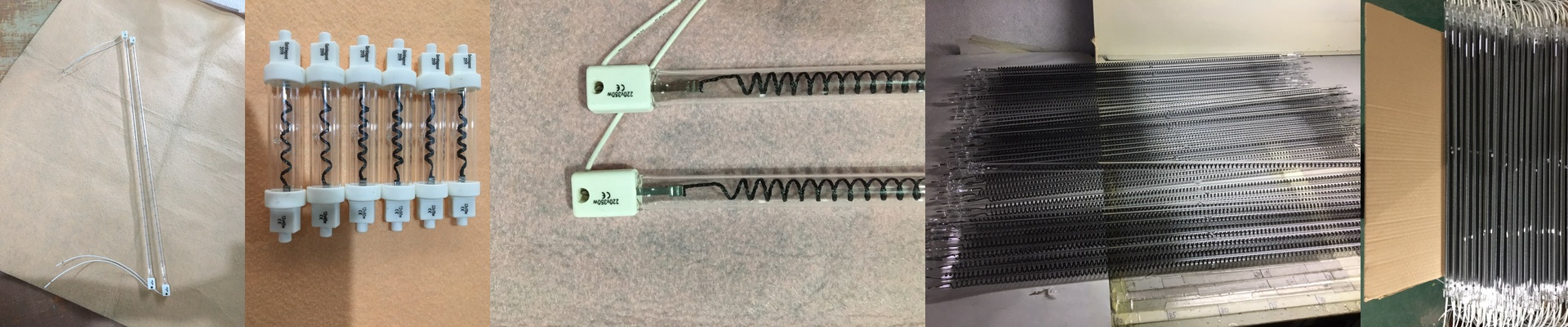
Inside the quartz tube, you’ve got a halogen-filled environment paired with a carbon fiber heating element. Together, they deliver shortwave infrared heat that kicks in fast. The halogen gas keeps the filament stable and helps maintain consistent output, even after repeated heating and cooling cycles. Plus, the tube has an IR coating that fine-tunes the spectral output, making sure the energy couples effectively with your industrial materials. For installation, we went with an R7s connector. It’s a straightforward, secure connection you’ll recognize from other industrial heat lamps. Makes wiring simple and replacements quick when it’s time for maintenance.
Fast Heat, Right Where You Want It
This setup shines when you need spot heating or process heating where timing is everything. That shortwave IR profile hits surfaces fast, shaving off warm-up time compared to convection methods. You’ll see it used a lot for plastic forming support, adhesive curing, and component drying. Now, the trade-off is real: 2500W at 400V packs a serious punch. So your machine layout needs proper thermal management—think shielding, airflow, and safe clearances. But get that right, and you’ve got a heat source that’s dependable, reacts instantly, installs clean, and runs the same way every single time.