Infrared Carbon Heat Lamps: What You’re Really Paying For
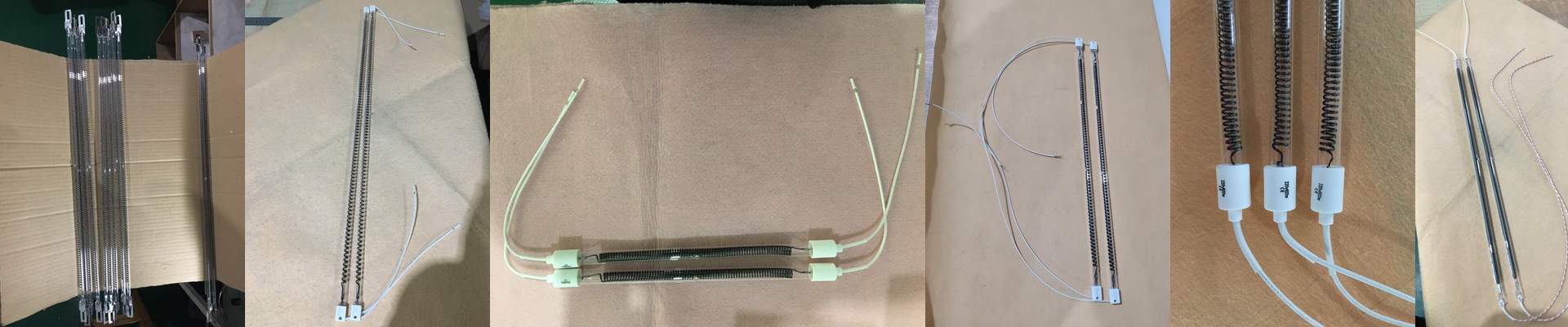
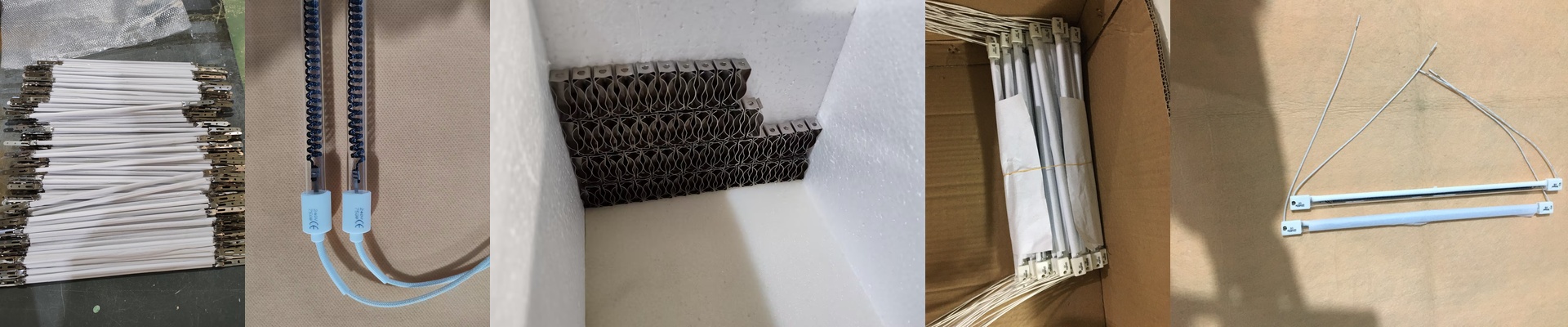
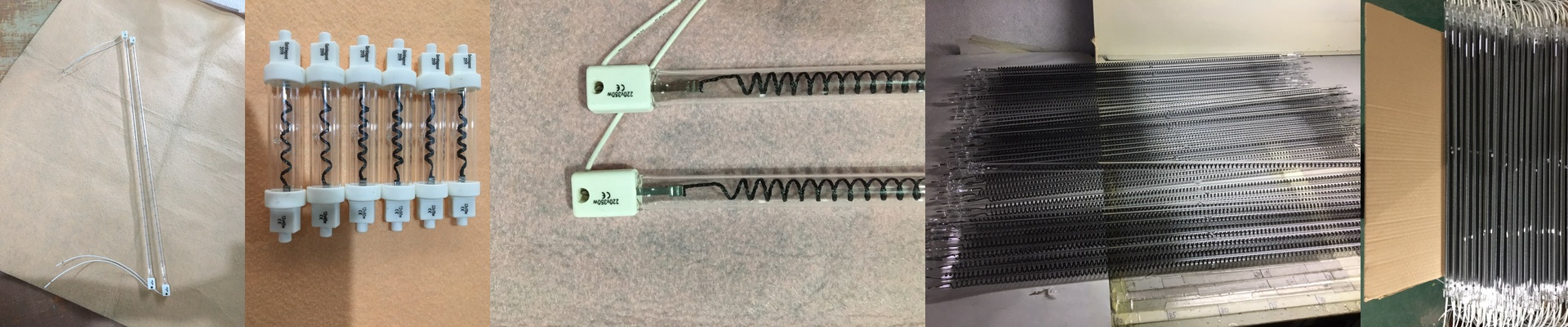
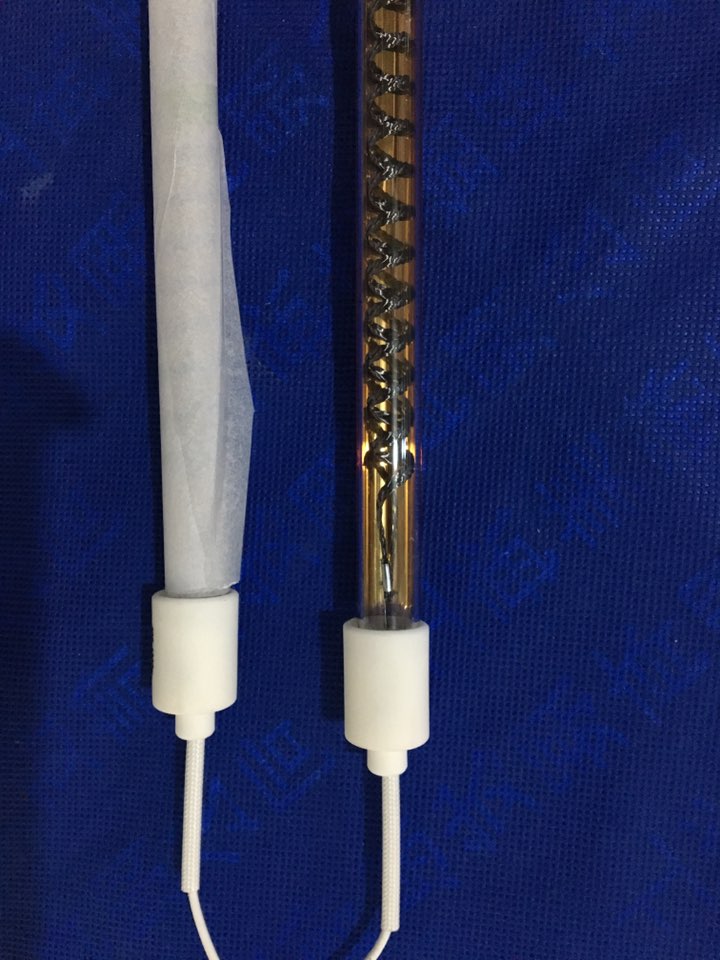
Let’s cut through the noise. An infrared carbon heat lamp isn’t just a bulb. It’s a purpose-built heating tool. When we talk about price, we’re not just talking about a piece of equipment. We’re talking about a complete thermal solution. You’re paying for a specific combination of power, smart materials, and engineering designed to slot right into your existing setup.
The Power, Voltage, and Size Breakdown
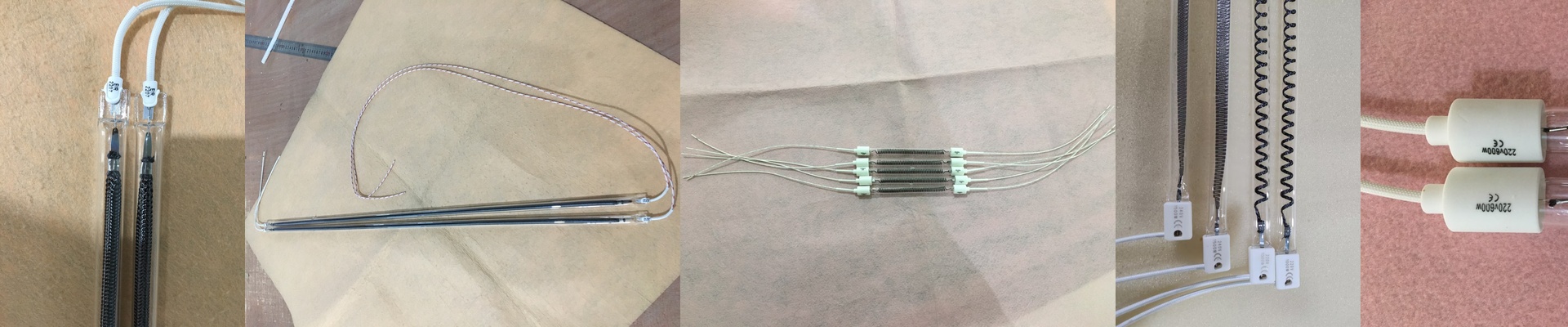
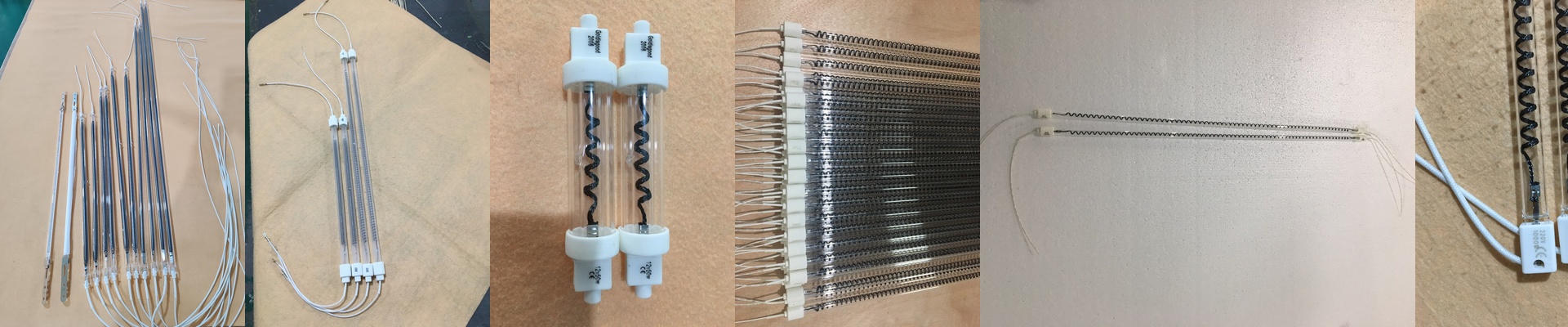
Here’s the thing about these lamps: they’re built for serious, high-intensity heating. A typical unit hits 2500W, but the voltage is where the real story lives. We offer 400V configurations, and they’re a game-changer for industrial lines that run on high voltage. Why does it matter? Because 400V pulls less current than a 230V unit. That means you can use thinner wiring, which saves you money on installation, especially over long runs. And that 300mm length? It’s intentional. It focuses all that 2500W power into a tight spot, giving you the intense, localized heat you need to get the job done fast.
Built to Last: The Materials and Design
At the heart of it is a carbon filament, but the magic happens thanks to the halogen cycle. It keeps the filament clean, even at scorching temperatures, so the output stays steady over the lamp’s entire life. We also coat the quartz envelope to fine-tune the heat spectrum. The result? Shortwave infrared that delivers deep, fast heating. And the connector choice is pure practicality. The R7s double-ended design is the standard for this kind of power. It makes the lamp a simple, drop-in replacement that’s a breeze to wire up, so you can get your machine back online with minimal downtime.
Real-World Solutions for Real Engineering Problems
This setup was born for industrial processes that need heat, and they need it fast. Think about PET blowing. You need to blast the preform with intense heat without turning the whole machine into a sauna. The compact size and shortwave output do exactly that. The 400V design also cuts down on electrical losses and simplifies the wiring, which lowers your overall operating costs. But there’s a trade-off. Packing 2500W into a 300mm tube creates a lot of heat. Your machine’s cooling system has to be up to the task of handling the temperature around the lamp. When it all lines up—the lamp matched with a properly designed cooling system—you get a heating profile you can rely on, day after day.
Why This Configuration Works
Infrared carbon heat lamps are all about delivering targeted, high-intensity heat right where you need it. We built them for tough industrial jobs like PET blowing, where precise temperature control isn’t just nice to have—it’s essential. The shortwave output gets deep into materials quickly, and the compact size fits into tight spaces without forcing you to redesign your equipment. Going with 400V means less current draw, which makes wiring simpler and cuts installation costs on those long lines. And the R7s connector? It means a quick, solid install, so you spend less time waiting and more time running. The halogen cycle keeps the output stable over the life of the lamp, so your process stays consistent. Just remember that heat density. A 2500W lamp in a 300mm tube throws off serious ambient heat. Your cooling system has to be ready for it. But when everything is matched up correctly, you get performance that’s consistent, reliable, and ready for whatever your process throws at it.