Getting Your Brake Pad Curing Right
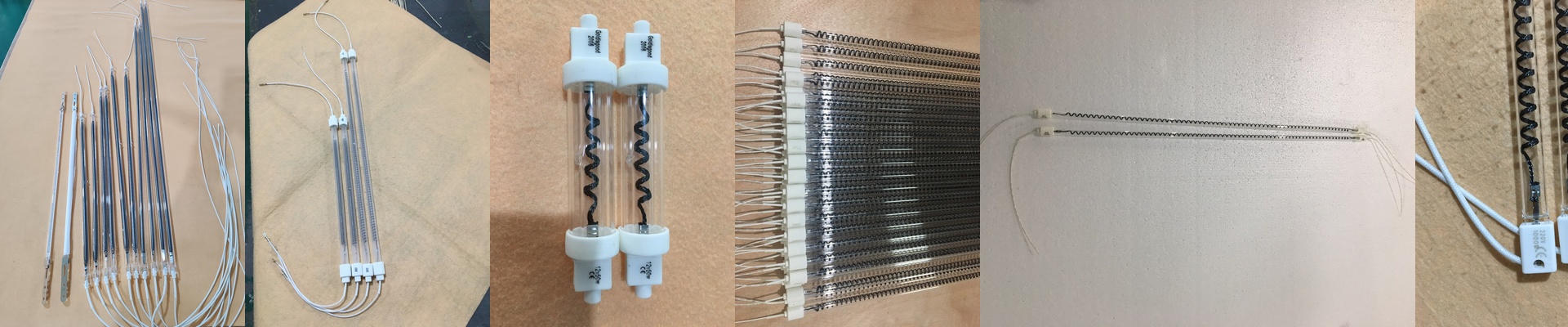
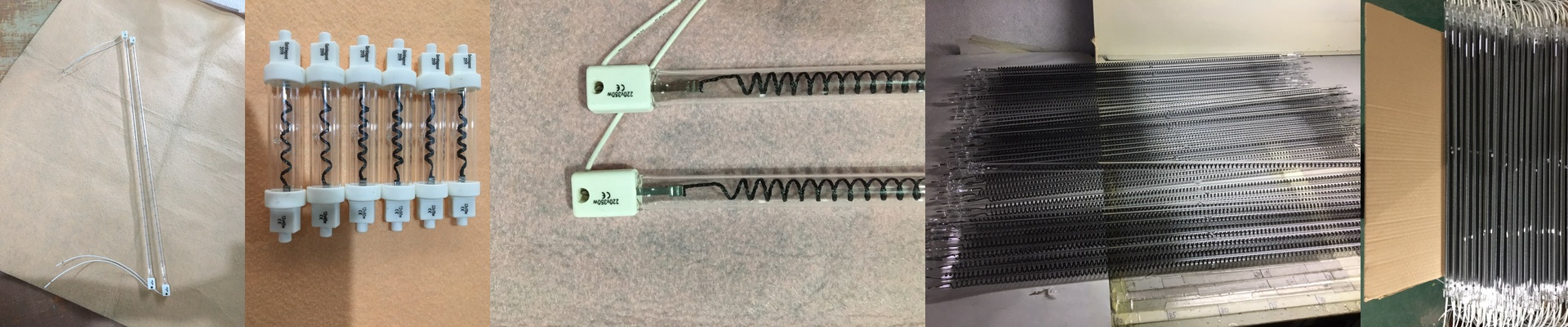
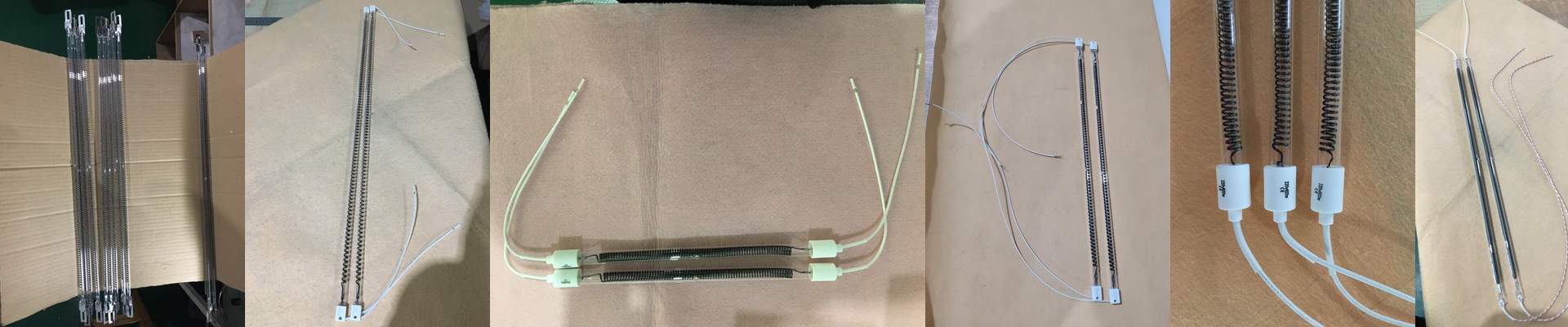
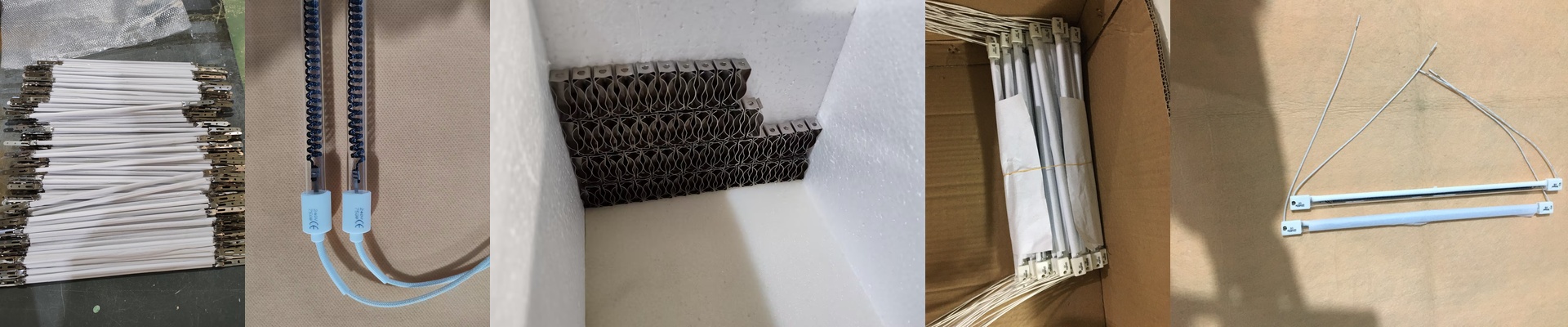
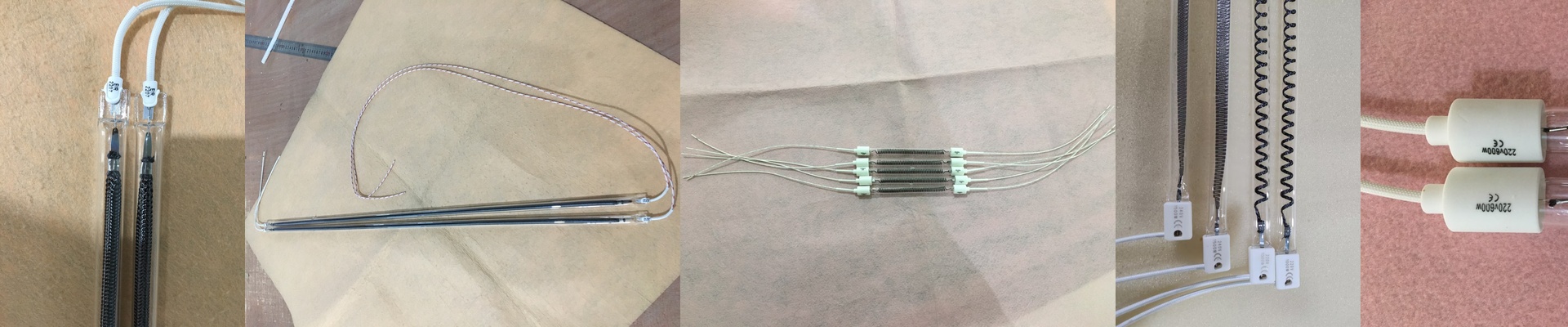
If you’re curing brake pad resins, you know the drill: you need a steady, deep heat soak. No shortcuts. The problem is, if your infrared modules start drifting in power, you’re in trouble. You end up with uneven polymerization—which is just a fancy way of saying you get soft spots or, worse, the whole thing fails structurally. It’s a nightmare. That’s why we build our IR modules to stay rock-steady, even when they’re humming along for 24 hours straight. The battle against power drift Keeping the power flat isn’t easy. It all comes down to how the voltage plays with the filament load. We use high-wattage shortwave emitters because they punch through the resin fast. But factory power grids are messy; they have these voltage ripples that can mess with your output. We spec our lamps to ignore that noise. And since these things run 24/7, the filaments are constantly expanding and contracting. Most lamps thin out over time, which is why the power drifts. We use heavy-gauge tungsten to stop that from happening. It just lasts longer. Built for the grind We don’t use cheap glass. We use high-purity quartz envelopes. These tubes can take a beating in a scorching curing oven without warping or giving up. Then there are the connectors. This is where most people get burned. A loose connection leads to arcing, and arcing kills your lamp instantly. We use industrial-grade terminals that stay tight, even when the machines are vibrating and the heat is cranking. The reality of setting it up Here is the thing: these modules put out a massive amount of heat. You can’t just slide them into an old housing and hope for the best. You need a cooling system that can actually handle the heat soak around the lamp ends, otherwise, your sockets are going to melt. I also highly recommend using a dedicated PID controller to manage the power. It keeps the lamps from burning out during that initial ramp-up phase. Sure, it takes a little more time to set up at the start, but it beats the hell out of replacing lamps every few weeks.