Stopping that annoying brake squeal
Ever wonder why some brake pads just won’t stop screaming? It usually comes down to how they were baked. If the outside of the friction material hardens too quickly, the core stays raw. You end up with these weird pockets of stress and density inside the pad. Once those pads hit the road, that internal tension turns into that high-pitched squeal we all hate. The problem is that standard ovens just blow hot air. They heat from the outside in, which is exactly what causes the mess.
Why shortwave IR actually works
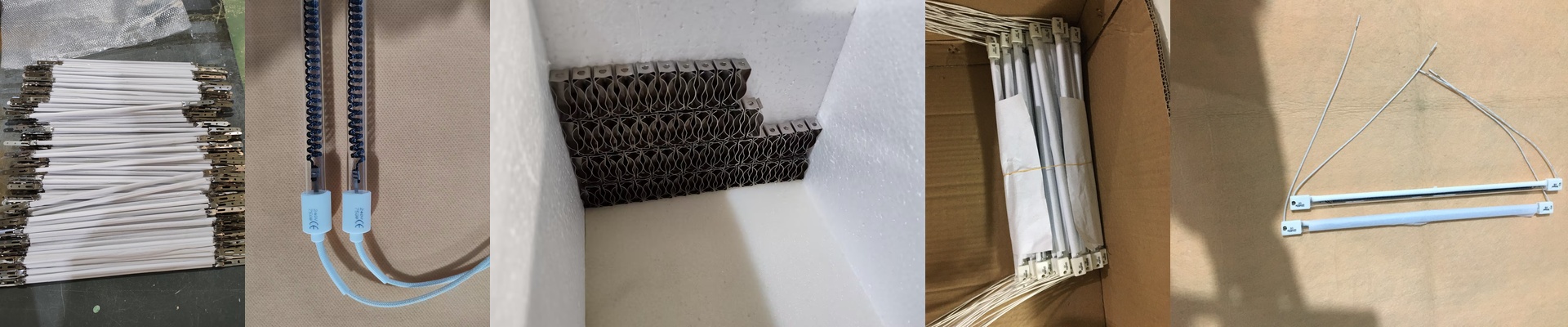
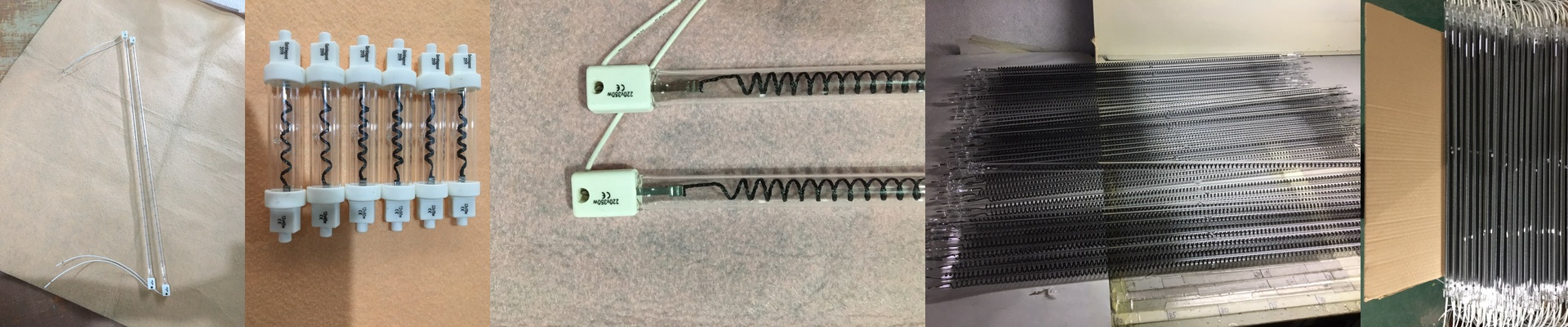
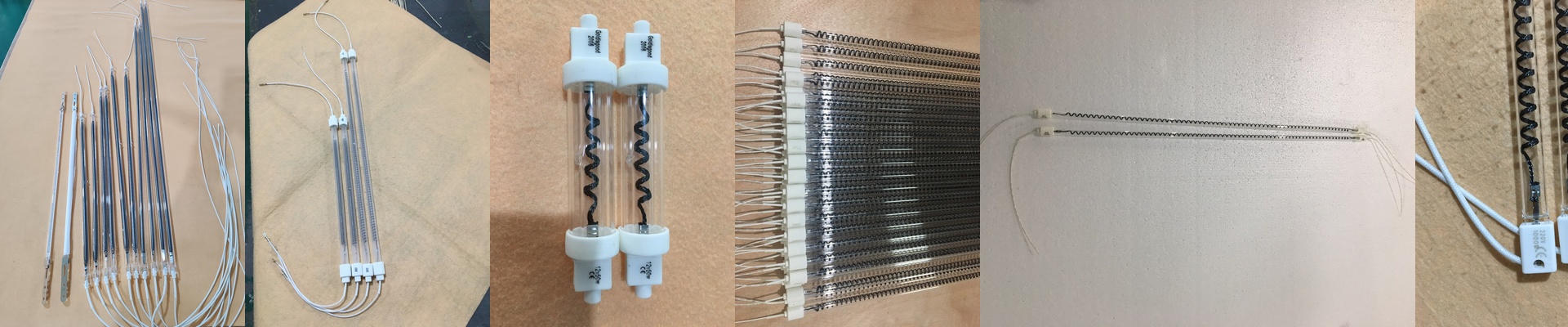
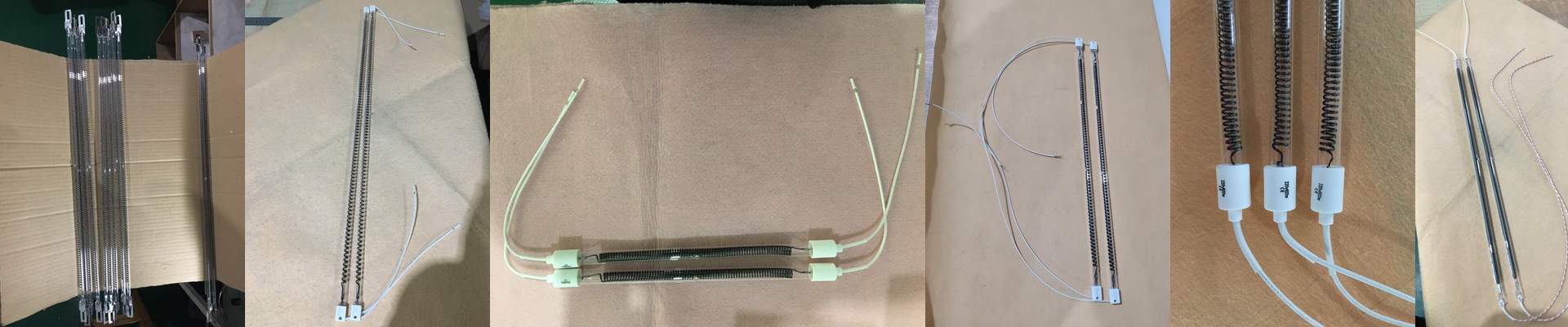
We handle this with shortwave infrared (IR) heaters. Think of it this way: instead of waiting for hot air to slowly soak in, IR radiation goes straight for the molecules. It pushes energy deep into the pad, regardless of how thick it is. You get a steady, even temperature from the surface all the way down to the backing plate. No warping. No cracking. Just a solid, consistent cure.
The gear you’ll need
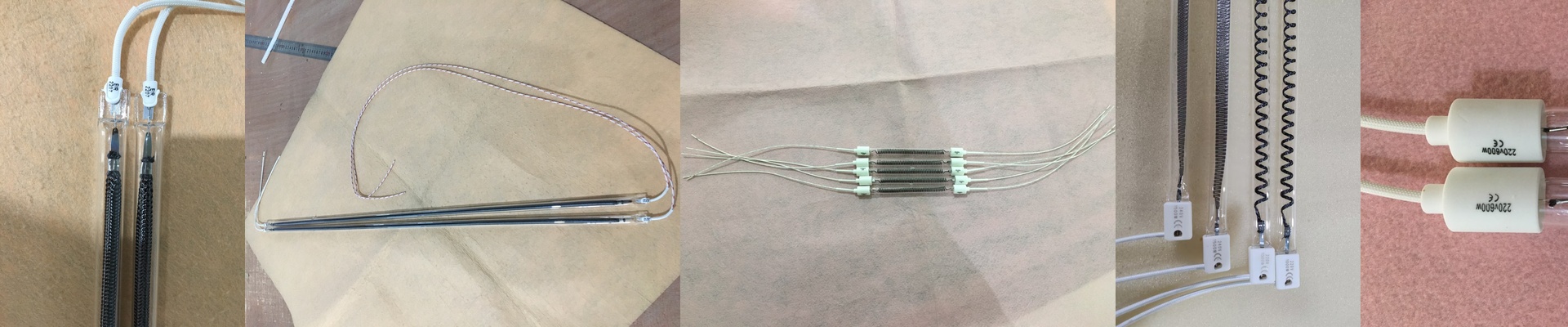
To make this happen, we use high-wattage quartz lamps. These things put out a massive amount of heat flux to force that energy into the composite. But here’s the thing: you have to balance your power with your line speed. If you crank up the wattage to push more product through, you’ve got to make sure your cooling zones can keep up. If you don’t, you’ll end up cooking your conveyor belts.
Getting it on your line
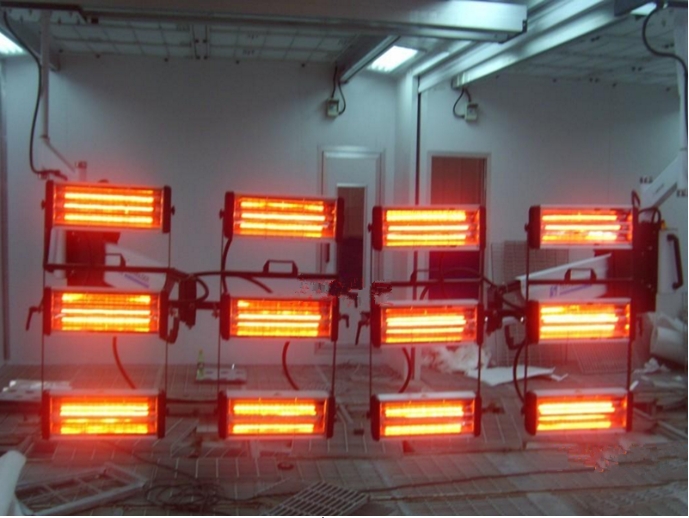
The best part is that we design these to slide right into your existing curing tunnels. Because the IR beams are focused, you can actually shrink the footprint of your curing section. Everything moves faster, and the pads come out more stable. One quick tip: keep your reflectors clean. If dust builds up, your efficiency drops and you’ll start seeing cold spots in your batches. It’s a small detail, but it makes a huge difference.