The Power Behind the Heat: What Makes These Heaters Tick
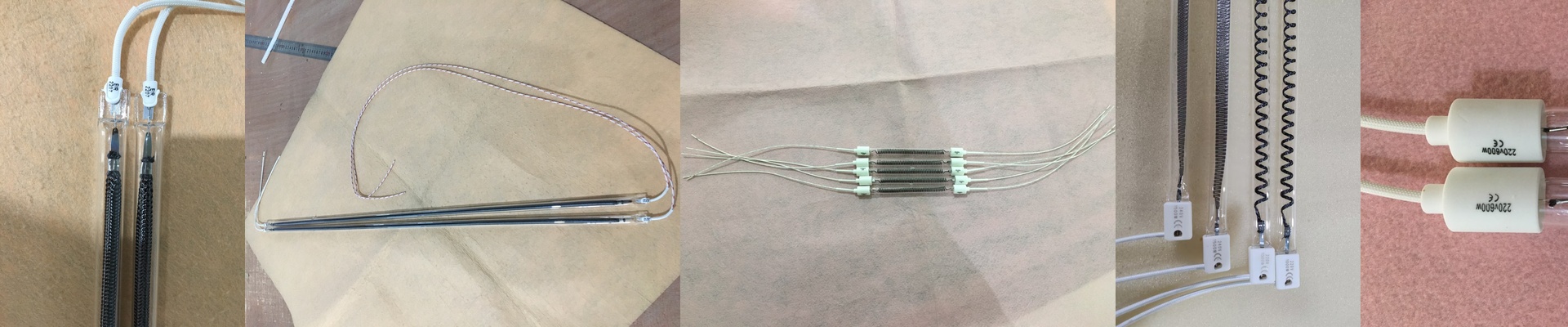
Let’s get straight to the point. We built these infrared carbon heaters to be serious workhorses. They’re meant to deliver intense heat, and the specs tell the story of why. A typical unit runs on 400V, pulling 2500W from a single-phase supply. That’s a lot of power packed into a small space. The whole design is about getting maximum heat into a tight spot. The 300mm tube concentrates all that energy, giving you the kind of intense, focused heat you need when you need it fast. This isn’t just random. Running at 400V is a smart move. It keeps the current lower than you’d get with a 230V unit of the same wattage. And lower current means you can use thinner wiring and not worry so much about voltage dropping over distance. But here’s the trade-off: this setup needs a rock-solid power supply and a solid cooling plan. That concentrated heat is powerful, so the equipment around it has to be able to handle the extra warmth without breaking a sweat.
The Inside Story: Quartz, Gas, and a Smart Design
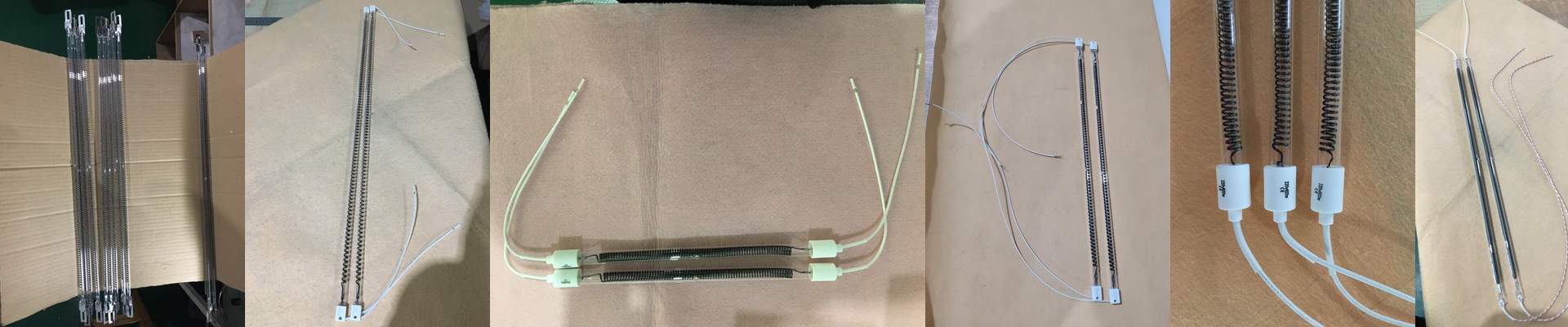
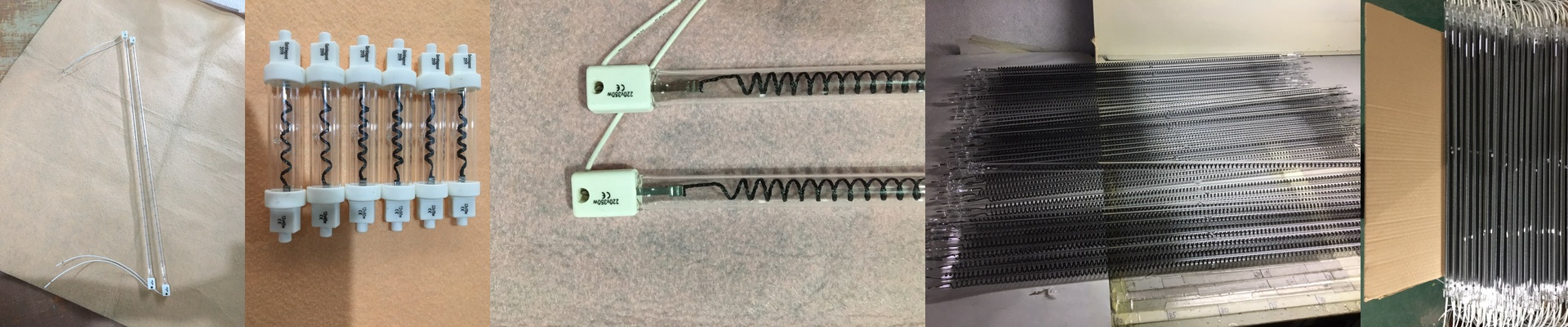
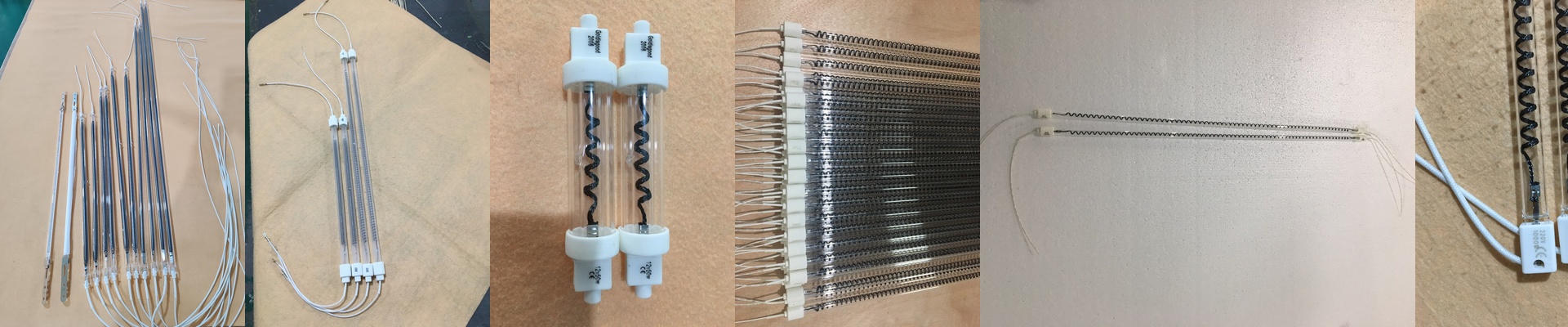
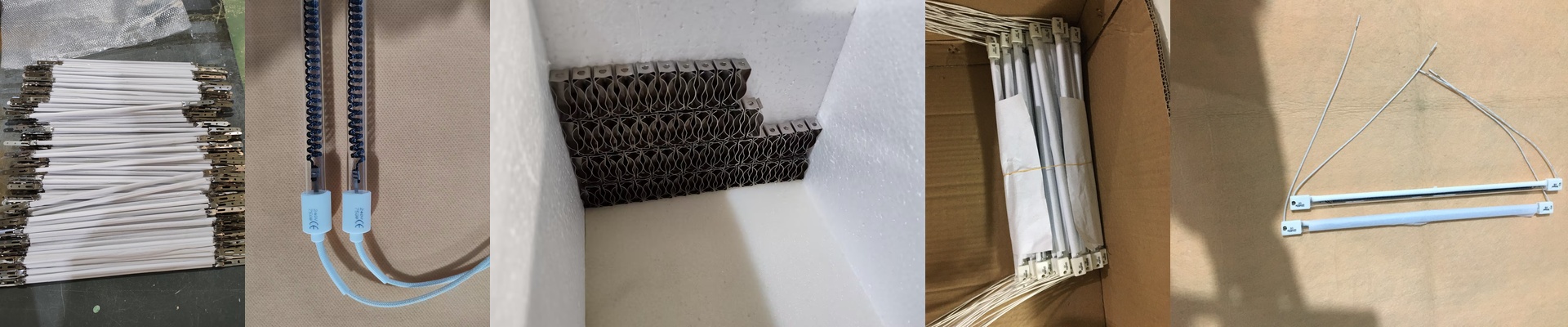
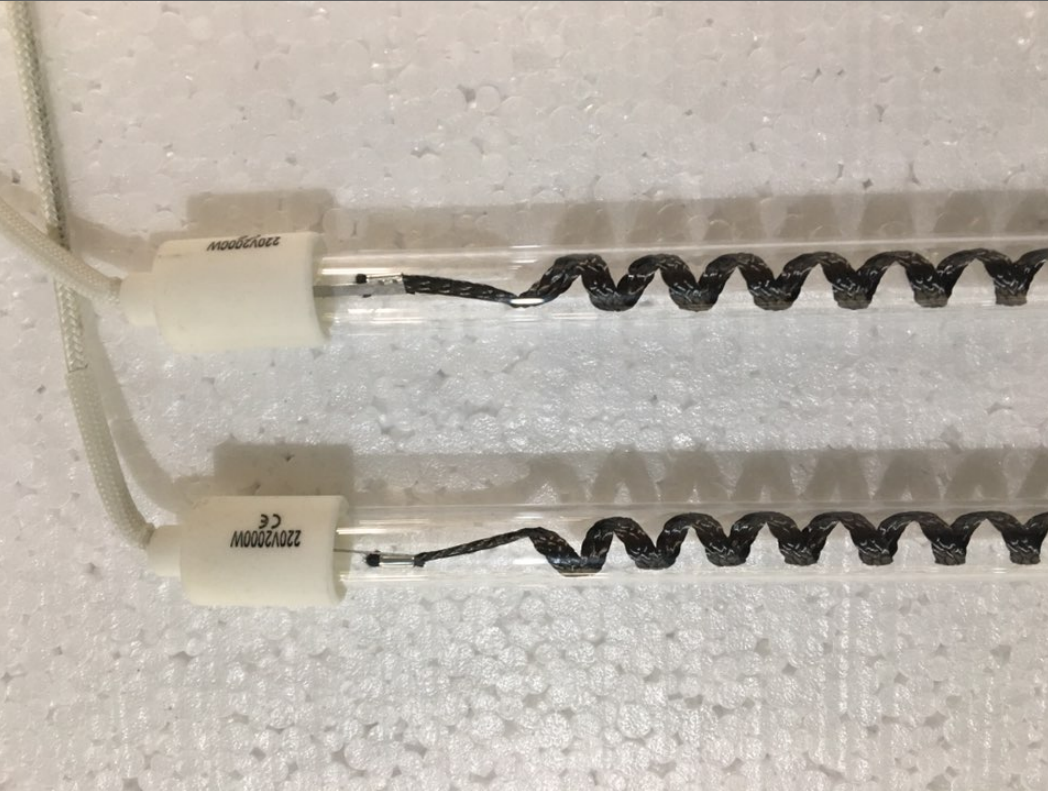
At the heart of it all is a quartz tube with a carbon filament inside. We fill the tube with a special halogen gas mix. This gas does something clever called the halogen cycle, which takes material that evaporates off the filament and puts it right back. The payoff? Consistent heat and a much longer lifespan than a standard incandescent element. Then there’s the coating. It’s specially designed to tune the heat output, pushing it into the shortwave infrared range. Why does that matter? Because shortwave IR doesn’t just sit on the surface. It penetrates materials quickly, heating them from the inside out. No more waiting around. And the R7s connector? It’s a practical choice that makes your life easier. It’s a double-ended fitting that gives you a secure connection and solid support. The whole thing slides right in, making it a simple swap for any existing R7s-mounted lamp. On the shop floor, that means maintenance is quick and painless.
Built for the Grind: Heat That Gets the Job Done
This heater is built for real industrial work, where speed and control are everything. It shines in jobs like PET blowing, plastic welding, and thermoforming. The shortwave IR gets into plastic preforms fast and evenly, which really cuts down on cycle time. For engineers, this means you can run your line faster and count on consistent quality. The R7s mount makes replacement a snap, so you’re not stuck with long downtimes when a lamp needs changing. It heats up lightning-fast, which is great. But remember, that power comes with responsibility. The components around it have to be tough enough to handle the high temperatures. So when you’re laying out your machine, plan for enough airflow or shielding to keep the electronics and sensors safe.