Solving the Automotive Thermoforming Headache
Let’s talk about the part of your job that makes you pull your hair out: forming automotive interiors without the frustrating spring-back that kills a production run. We built our friction material infrared heaters for one reason—to stop that from happening. When you’re shaping something as complex as a door panel or console skin, uneven heat creates internal stress. That stress is what makes the part warp right after the tool closes. Our heaters use zoned control to get the material temperature exactly right, spot by spot. The result? The stress is gone. The part stays dimensionally stable.
The Power Behind the Heat
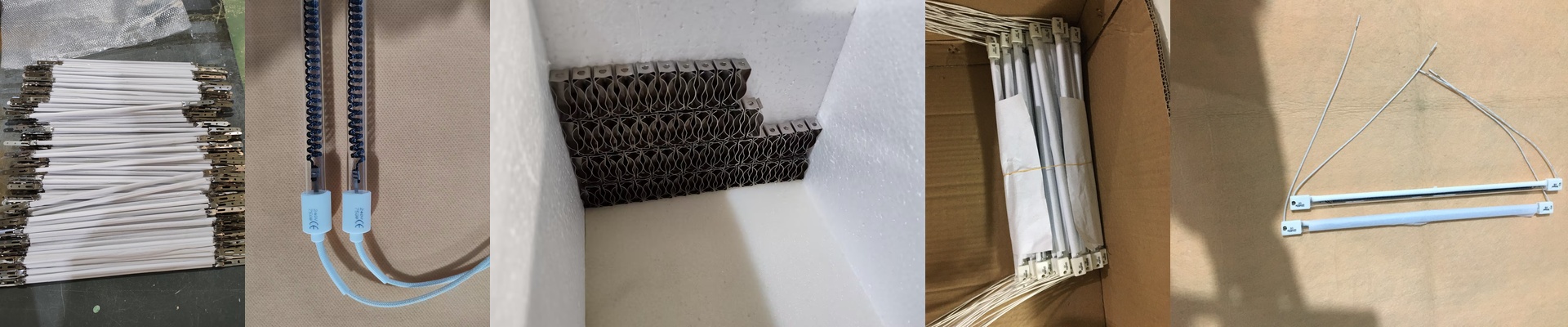
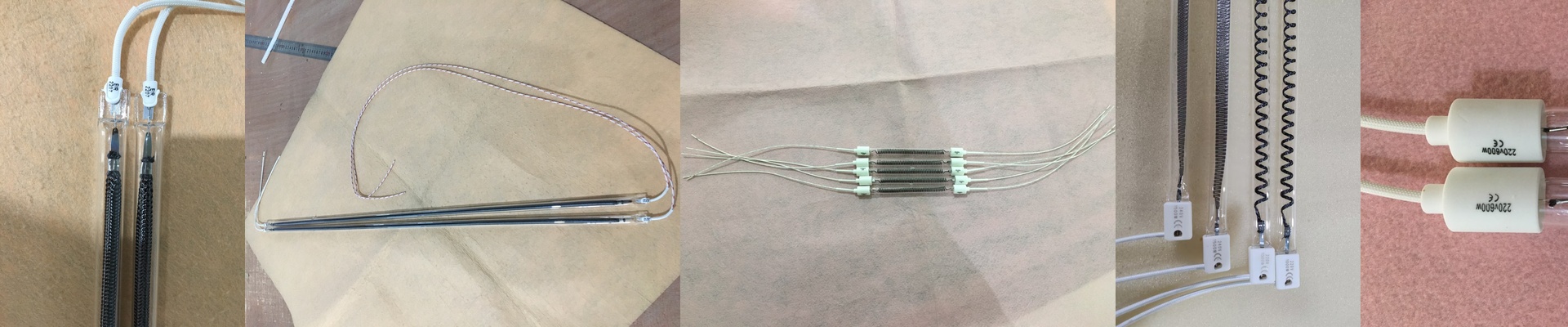
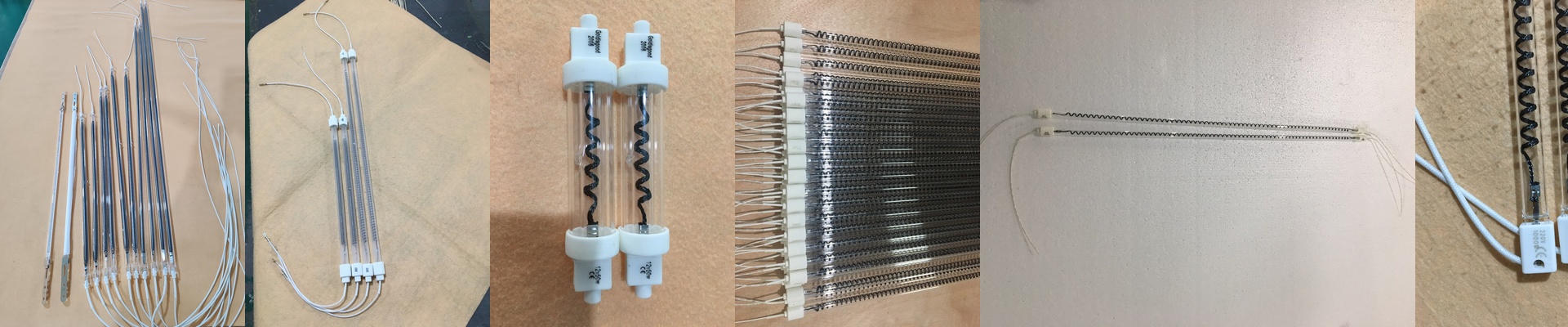
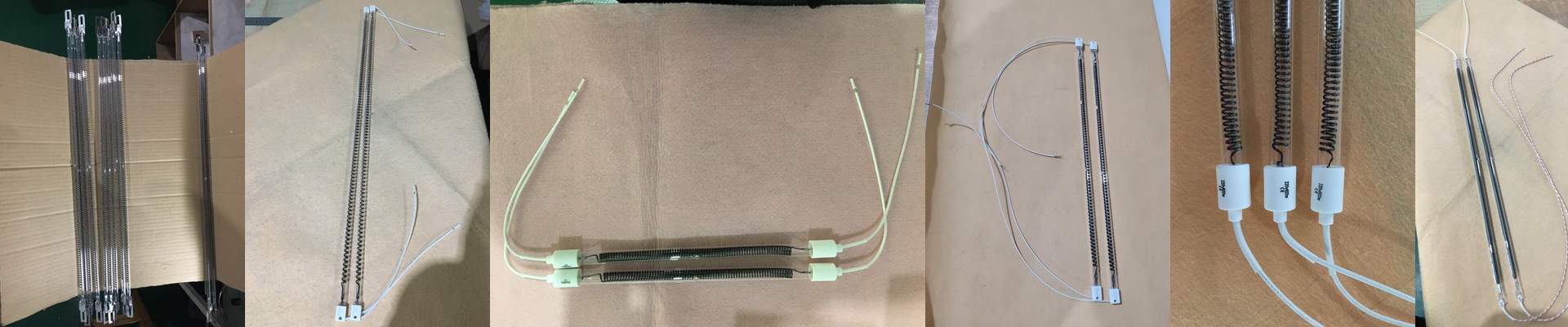
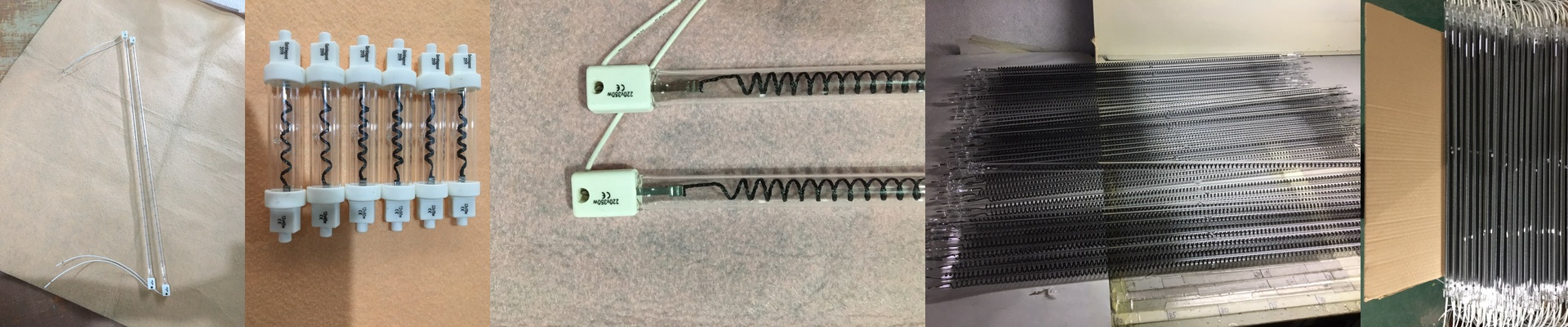
Our heaters don’t just warm things up—they deliver a hard-hitting blast of targeted heat through high-intensity infrared radiation. You’ve got a 400V electrical input engineered to push serious wattage through a compact tube. That gives you the heat density you need for fast cycle times. This isn’t background warmth. It’s a focused thermal pulse that cuts straight through the friction material. The tube is 300mm long, and the wattage is precisely rated to match the footprint of typical automotive mold cavities. So you can spec a heater that fits your tooling without having to redesign the press.
Built to Survive the Shop Floor
We use a quartz tube with a specialized halogen element inside, plus a durable coating that handles extreme operating temperatures. This construction stands up to the shock of startup and shutdown without cracking. The R7s connector is the standard for a reason—it locks the tube in place and carries the current without loosening, even when the machine is vibrating. And the SK15 terminal block gives you a solid, serviceable wiring point. These heaters are tough. They’re built to take a beating and still drop right in as a replacement.
The Trade-off You Can Live With
Out on the plant floor, zoned infrared heating lets you control the temperature across the entire part surface. No more overheated edges. No more cold spots. That’s how you kill the stress and keep the part flat. The trade-off is heat density. A 400V, 2500W tube packs a lot of power, so your machine’s cooling system has to be up to the task to handle the extra ambient heat. But when the system is balanced, you get repeatable tolerances and far fewer scrap parts. That’s the kind of consistency that makes your day easier.