Getting the Heat Right: How to Set Up Your Brake Pad Curing Wall
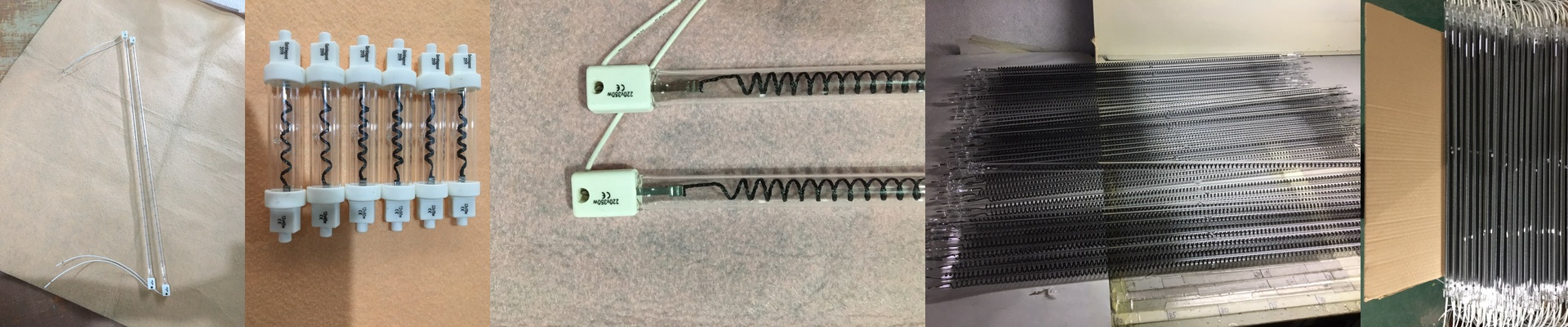
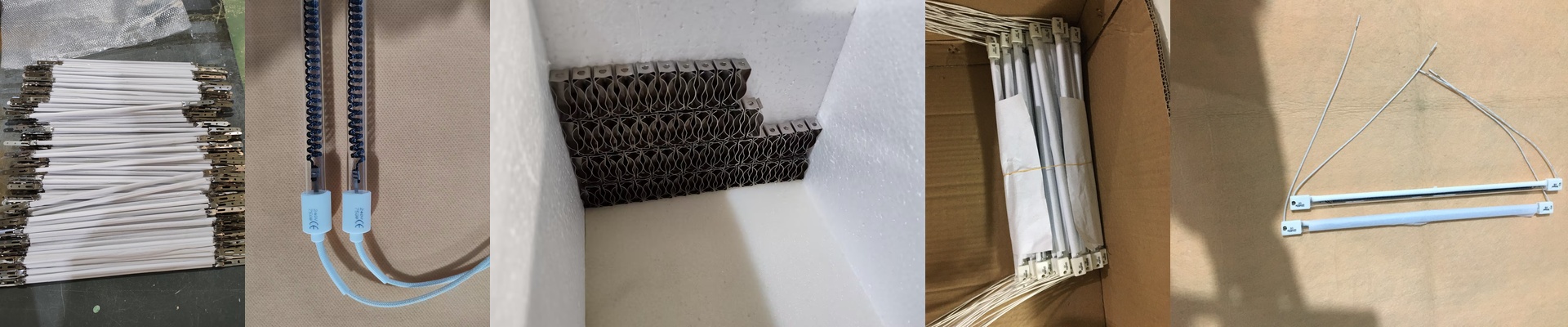
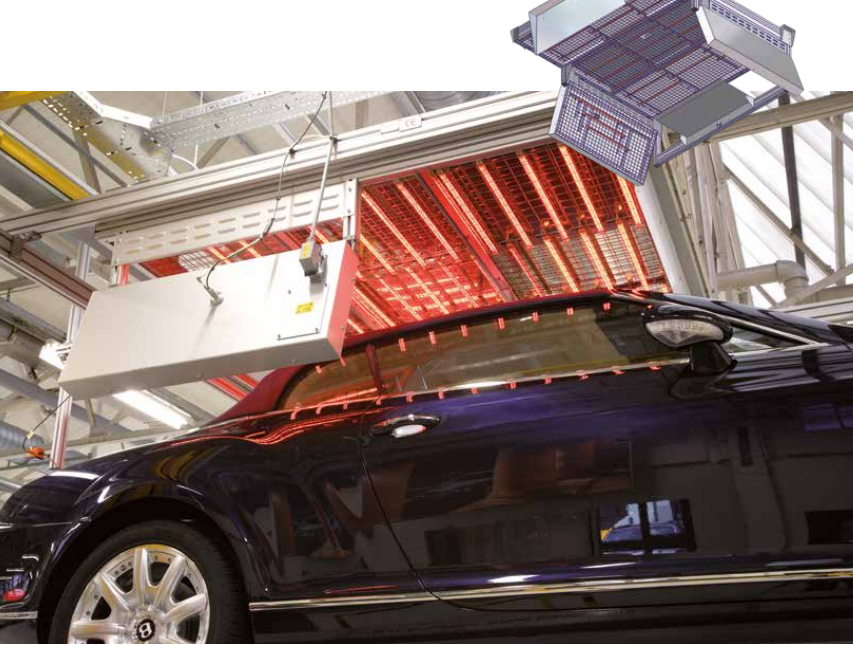
If you’ve ever dealt with brake pad coating, you know the struggle. You’re chasing that perfect cure, but you end up with bubbles in some spots and under-cooked resin in others. It’s frustrating. When we build custom heating walls for paint booths, the whole game comes down to how those infrared (IR) lamps are spread out vertically. Get it wrong, and you’ve just built a very expensive way to ruin parts.
Dealing with different part sizes
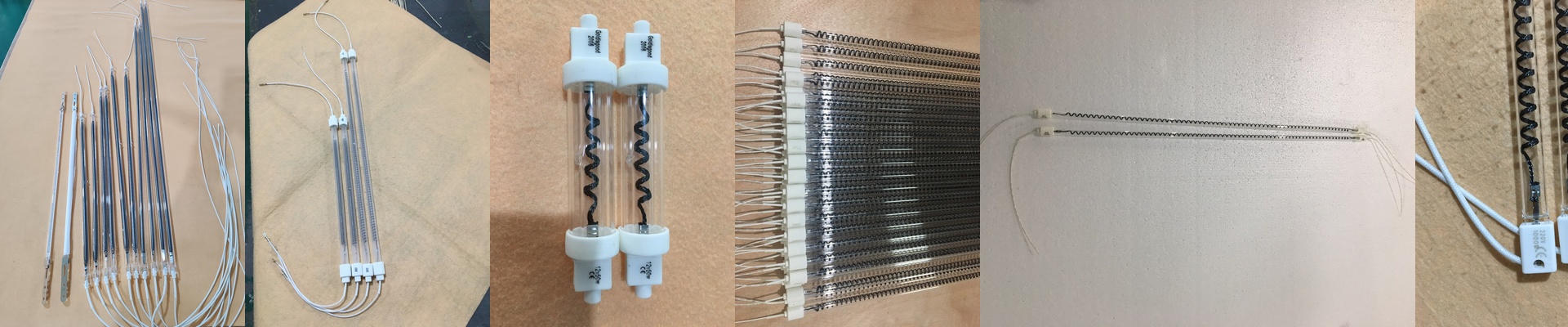
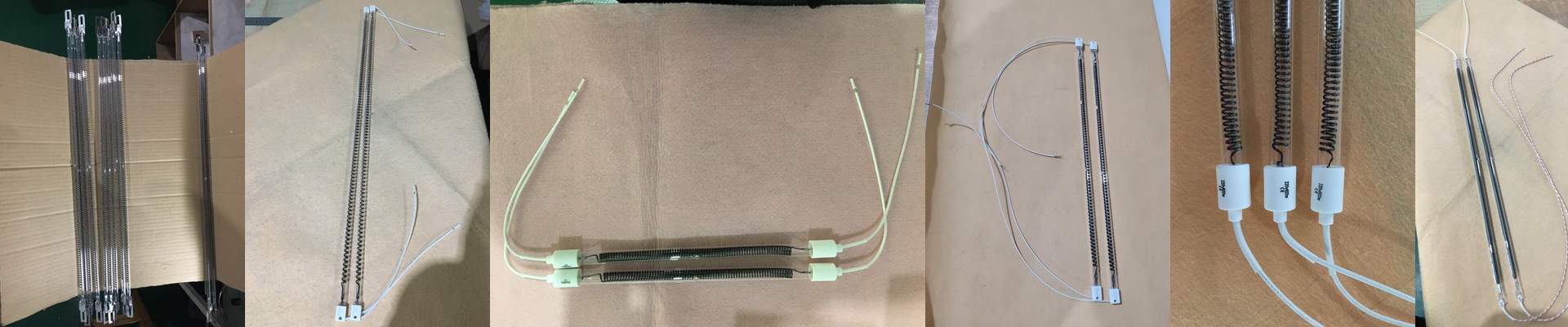
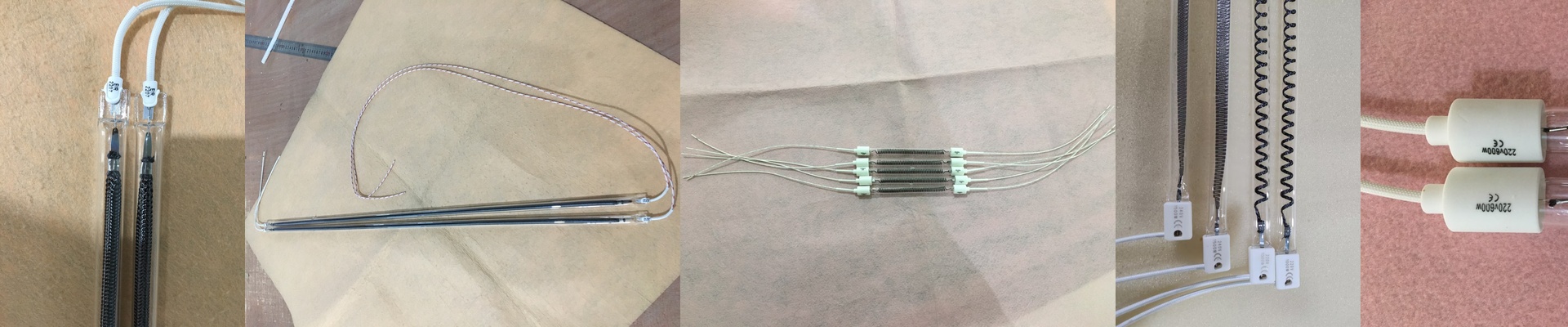
Here’s the thing: not every brake pad is the same. You’ve got different vehicle models, different dimensions, and different rack heights. We don’t just slap the lamps in at even intervals and call it a day. That doesn’t work. Instead, we look at the mass of the product. For the bigger pads, we pack the lamps tighter in the center of the wall. Why? Because heat loves to leak out of the top and bottom. By beefing up the middle, we cancel out that “edge effect” and keep things steady. Then there’s the wattage. If you’re using shortwave lamps, they hit hard and deep. But that intensity can be a problem. To stop “zebra striping”—those ugly, over-cured lines that show up when tubes are lined up perfectly—we stagger the lamps in a zig-zag. It keeps the finish smooth.
The nuts and bolts of the layout
Your layout is usually limited by your power ceiling. High-wattage tubes get the job done fast, but they’ll chew through your wiring if you aren’t careful. We use heavy-duty reflectors to push all that IR energy straight forward. You want the heat hitting the part, not soaking into the wall structure. And if your product mix changes every week? Don’t buy a new wall. Just go with a modular rail system. It lets you slide the lamp holders up or down to fit whatever part is coming down the line. It’s a manual tweak, sure, but it saves you a fortune in the long run.
Speed vs. Quality
It’s a constant tug-of-war. Pushing more power into a smaller space cuts your cure time way down. Great, right? Not exactly. If you go too hot, you’ll scorch the surface before the core even gets warm. You have to find the sweet spot between your lamp spacing and how fast your conveyor is moving. If the parts crawl too slowly, the center of the rack gets baked. The fix is usually a zoned control system. It lets you dim the lamps in the middle while keeping the edges at full blast. It’s the only way to get a uniform finish without slowing everything to a crawl.