Stop Wasting Floor Space on Your Brake Pad Dryers
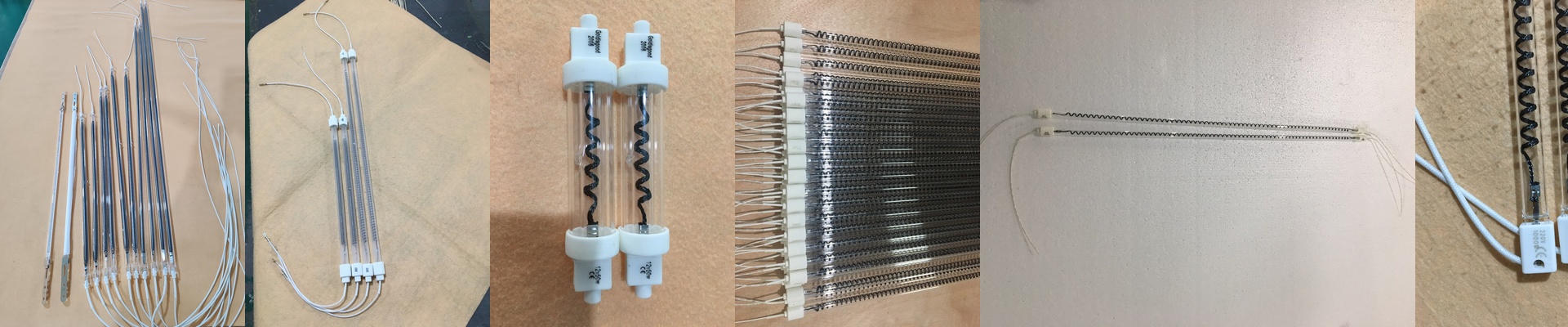
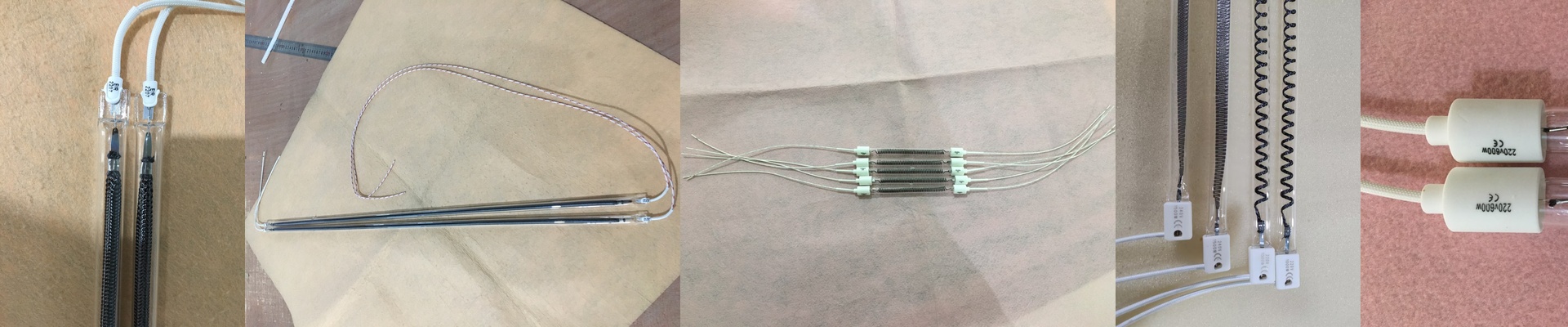
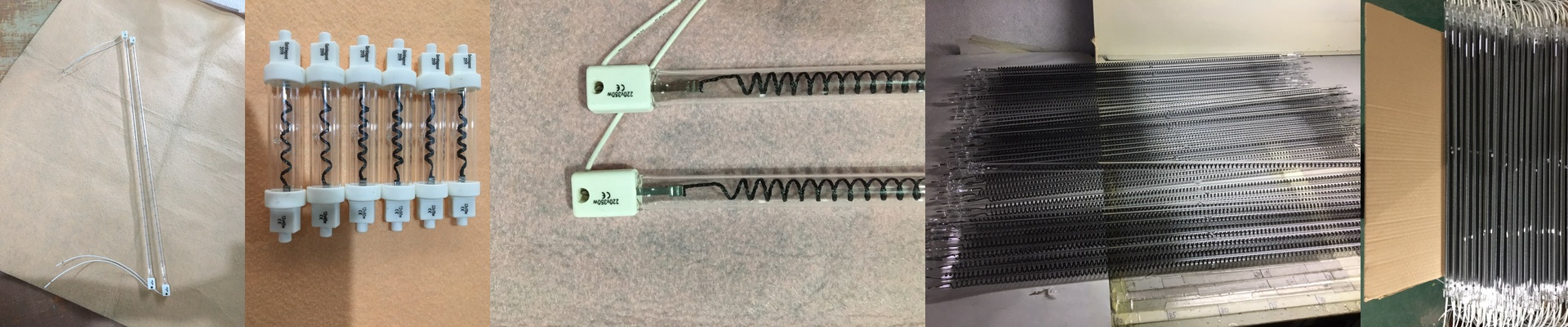
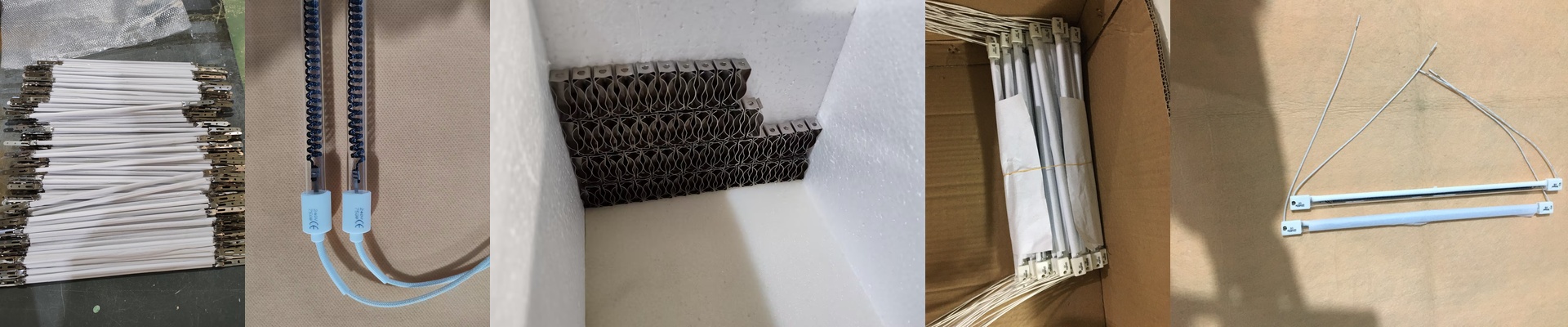
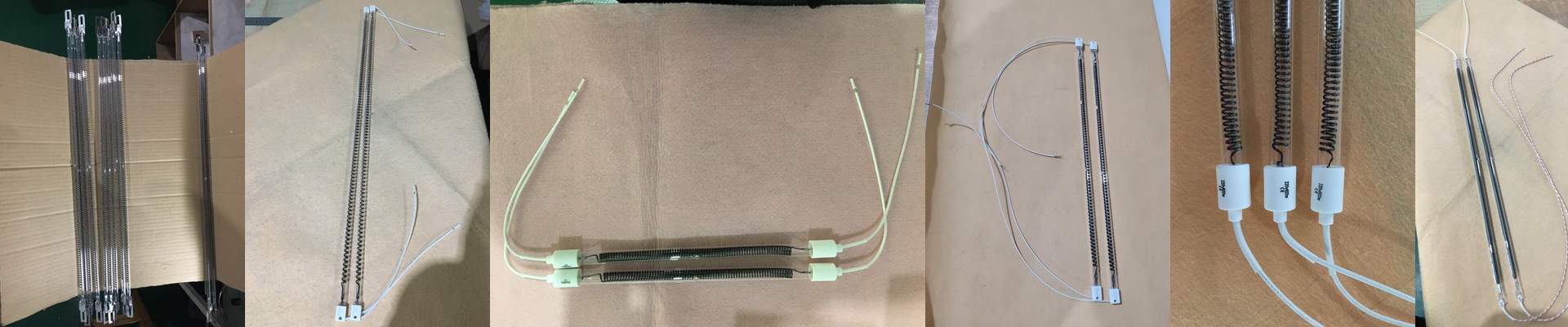
If you’re still using traditional convection ovens to dry your brake pad coatings, you know the struggle. You’re basically heating up a massive amount of air just to get that energy into the coating. It’s slow. It’s clunky. And it means your tunnel has to be ridiculously long just to make sure the core of the friction material is cured without accidentally scorching the surface. There’s a better way. If you switch to shortwave infrared (SWIR), you can shrink that footprint and actually push more product through the line. Why IR actually works Here’s the thing: infrared doesn’t mess around with the air. It goes straight for the workpiece. The SWIR lamps hit the exact spectrum that organic binders in brake pads love to absorb. Instead of waiting for the heat to soak in from the outside, the energy penetrates deep into the coating almost instantly. You get a much faster ramp-up. That means you can chop the length of your tunnel down and still get the exact same cure. The gear you’ll need To make this happen, we use high-wattage quartz halogen tubes. We spec these for high-voltage industrial grids because you need total stability when you’re running long banks of heaters. The goal is “thermal density.” By packing a ton of power into a small area, you create an intense heat zone. It flashes off the solvents and sets the binder in a fraction of the time it used to take. The “Gotchas” (What to watch out for) Now, you can’t just swap out a heater and call it a day. These high-density lamps put out a massive amount of heat. If your ventilation or cooling isn’t up to the task, you’re going to have problems. I’m talking warped conveyor frames or fried lamp sockets. One tip: use gold-coated reflectors. They bounce the wasted energy back onto the pads instead of letting it bake your equipment. And please, be careful with the wiring. We use fast-switching SCRs to keep the power in check. If you just run these tubes at 100% without a feedback loop, you’ll blister your coatings. But once you get that PID tuning dialed in? You can finally speed up your line.