Stop the Squeak: Why Your Curing Process is the Real Culprit
Ever wonder why some brake pads just won’t stop screaming? Most people blame the material or the fit, but the real trouble usually starts way back in the curing oven. When your pads cure unevenly, you end up with these weird spots of internal stress and density gaps. Once those pads hit the road, those inconsistencies turn into vibrations. And vibrations? That’s where that annoying squeal comes from. Standard convection ovens are part of the problem. They heat the outside first, which often leaves the core under-cured. It’s like trying to thaw a frozen steak by putting it in a hot pan—the outside burns while the middle is still ice. That’s why we use shortwave infrared (IR).
Getting the heat where it actually matters
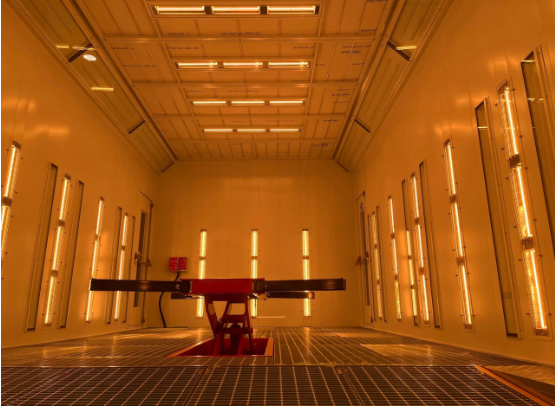
IR doesn’t mess around with heating the air. Instead, it shoots energy directly into the friction material. Think of it like sunlight hitting your skin on a July afternoon; you feel it instantly, and it goes deep. The photons sink right into the resin matrix, making sure the core of the pad hits the target temperature at the same time as the surface. You get a uniform cure from top to bottom. No soft spots. No surprises.
The gear you’ll need
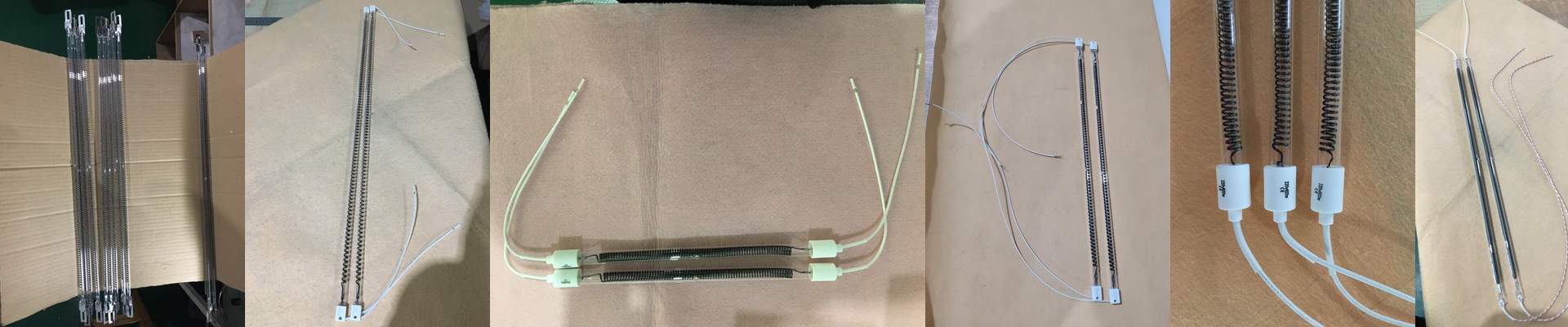
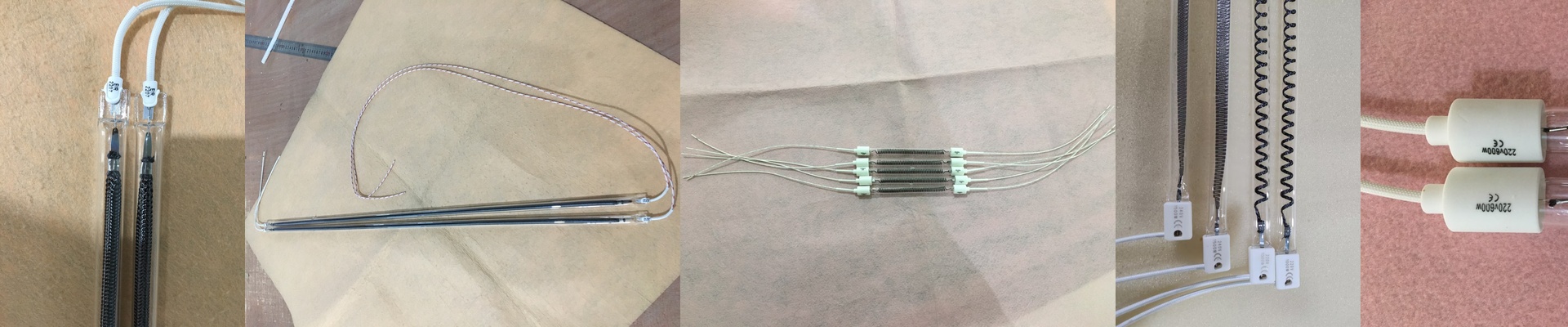
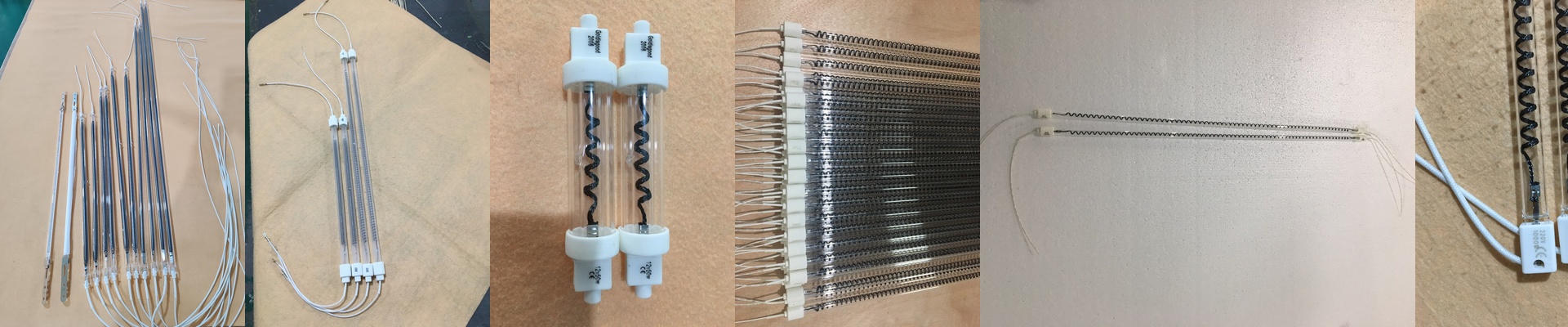
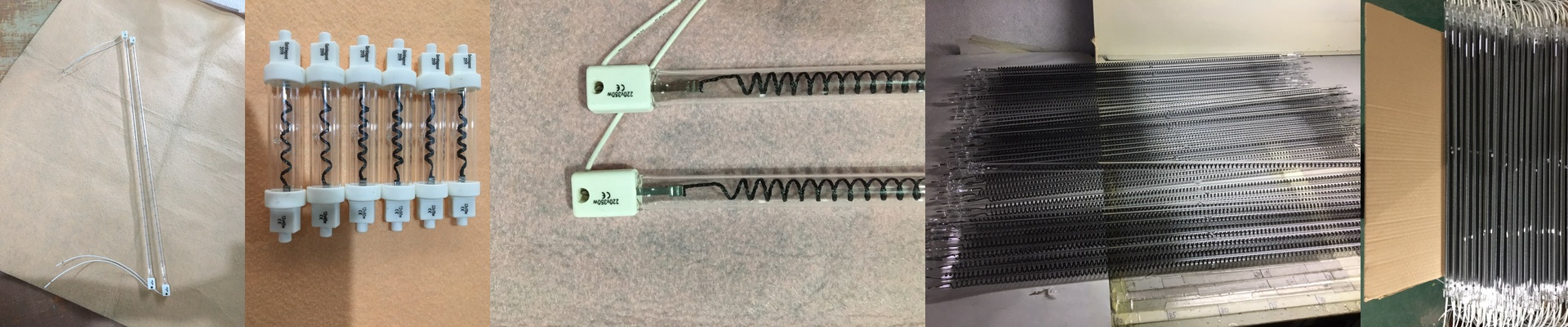
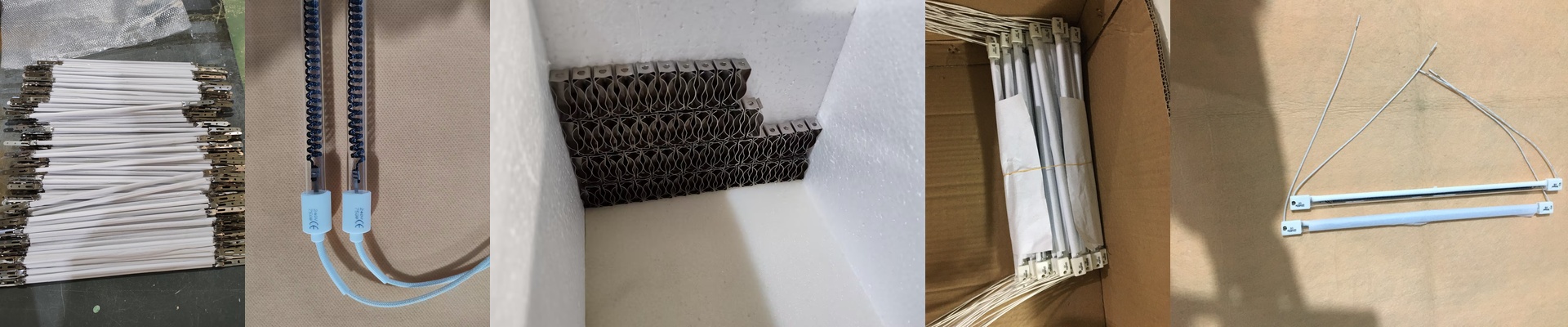
To make this work, we use high-wattage quartz lamps. You need a lot of heat density to trigger the chemical cross-linking in the material, so these things pack a punch. One tip: you have to match the lamp’s wavelength to the specific resin you’re using. If they don’t line up, you’re just wasting power. We use reinforced quartz glass because, honestly, standard tubes tend to bow when things get this hot. But be careful—when you’re pushing these lamps to their limit, your oven housing is going to feel it. Make sure your cooling fans and vents are actually up to the task, or you’re just building a giant toaster.
Keeping things running
The best part is that most of our setups just drop right into your existing heating slots. We use standard connectors, so you can swap them out quickly during downtime without a massive headache. But here’s the catch: these lamps run incredibly hot. The contact points are usually the first things to go. I always tell people to check their terminal tension every few months. If a connection gets loose, it starts to arc, and an arc will kill a high-output tube in a matter of days. It’s a simple fix, but it’s the difference between a nightmare production run and pads that stay quiet. Consistent heat, consistent pads. Simple as that.