Why Carbon Fiber Heat Lamps Actually Work for Shoe Making
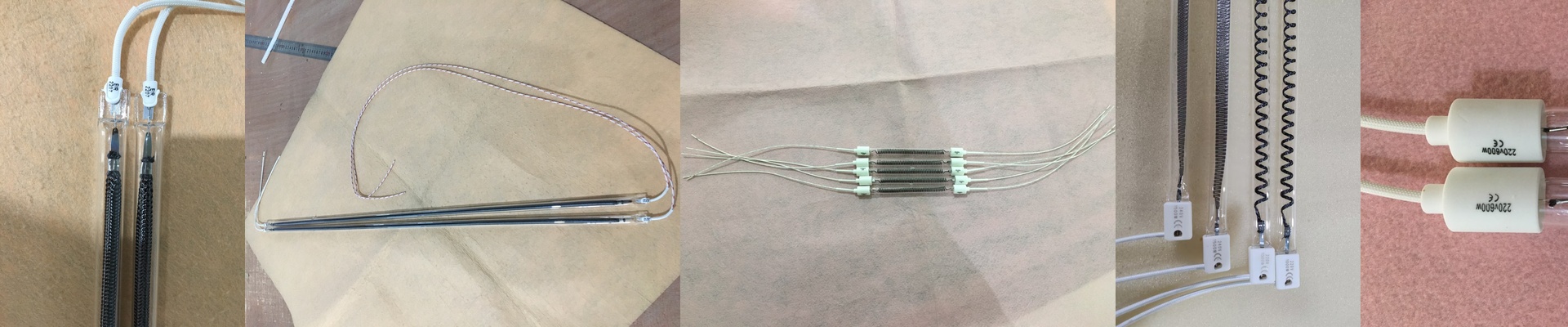
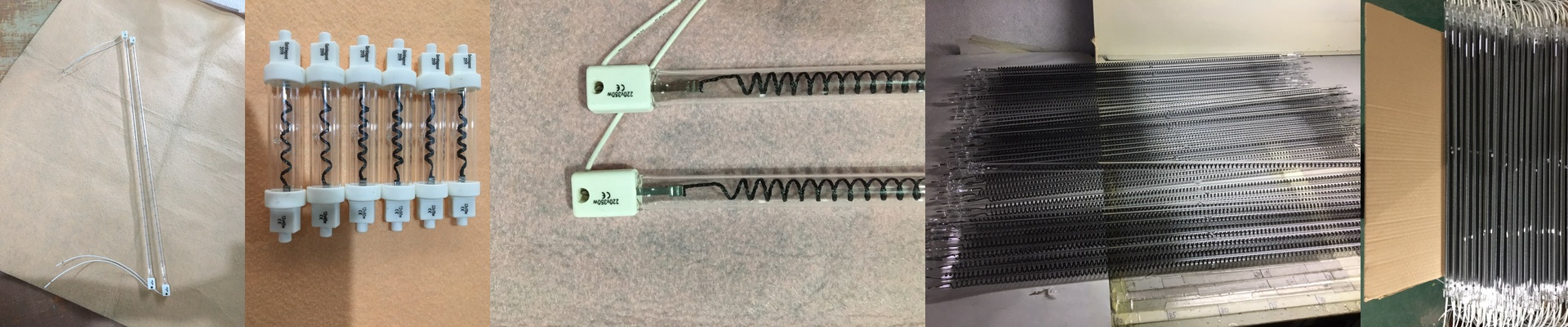
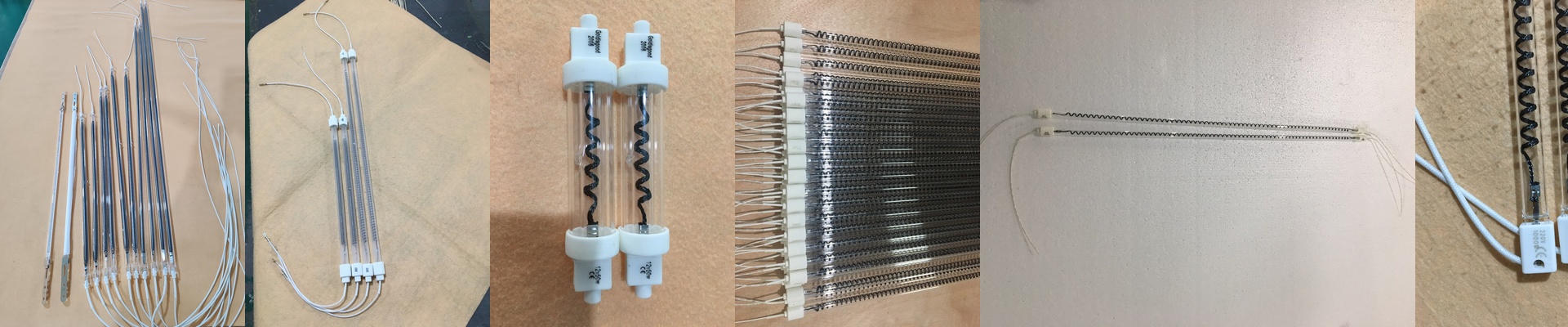
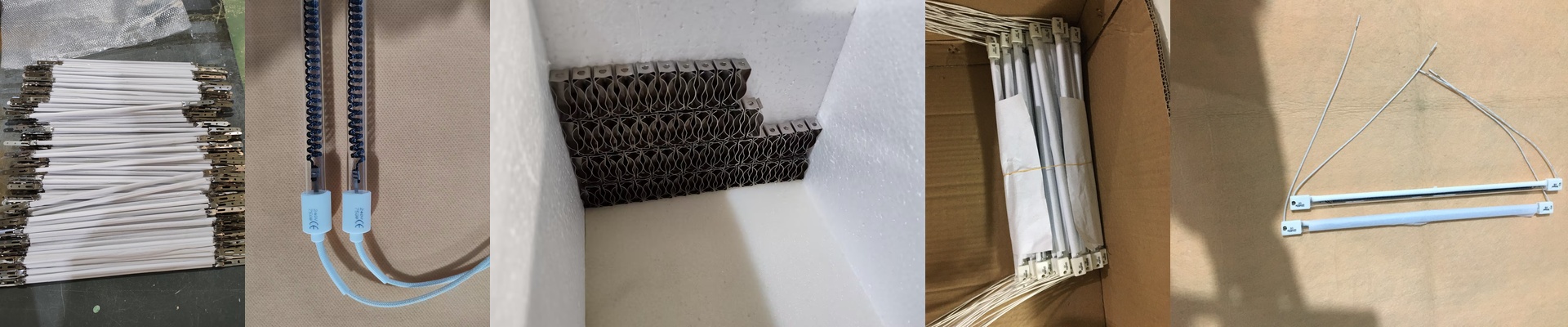
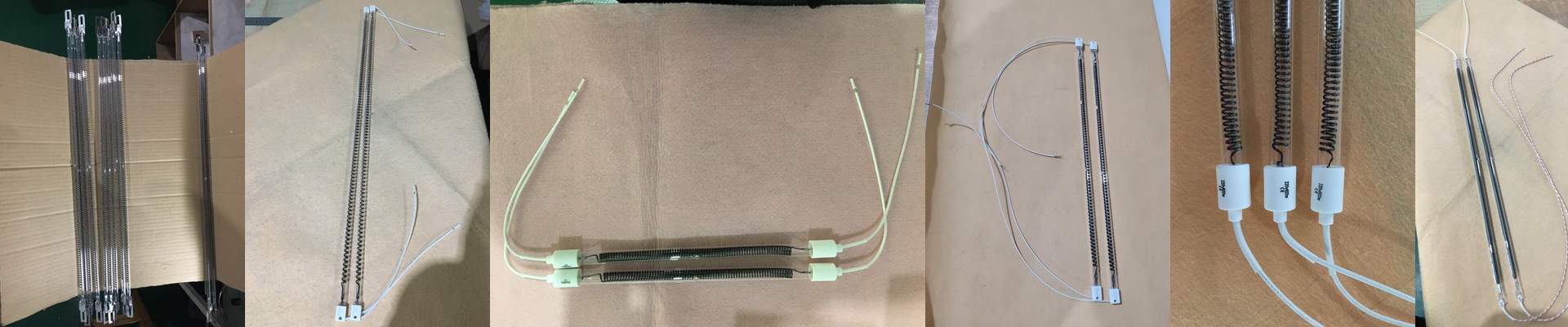
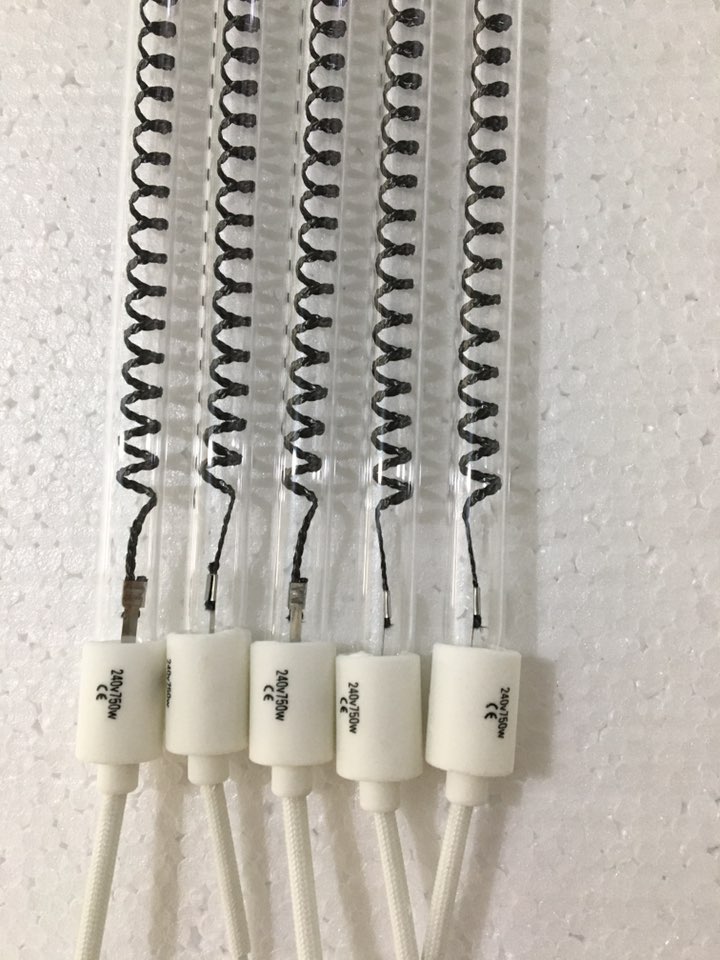
If you’re running a shoe factory, you know the struggle of getting adhesives to cure or polymers to shape without wasting half your day waiting for equipment to warm up. That’s where carbon fiber infrared lamps come in. Instead of the old-school quartz heaters, these use a carbon fiber filament. It sends out short-wave infrared radiation that doesn’t just sit on the surface—it actually sinks deep into the materials. The speed is the best part. These things hit their target temperature almost instantly. No more idling. Because they heat up so fast, you can actually shrink the size of your drying tunnels, freeing up some much-needed floor space. Just a heads-up: if you go with the high-wattage versions, the heat is intense. You’ll need to keep a close eye on your conveyor speed. If the shoes move too slowly, you’re going to scorch the uppers or fry your glue. Built for the noise Factories are loud. They vibrate. Heavy machinery is shaking everything in the room. Tungsten filaments hate that—they snap. Carbon fiber, on the other hand, handles the vibration like a champ. They simply last longer. We also use reinforced quartz glass to keep things stable. And please, double-check your end-cap connectors. Make sure they’re tight. A loose connection creates a hot spot, and that’s a quick way to melt your wiring. Putting them to work Think of these as “precision heat.” You use them at sole-attachment stations or when you’re shrinking leather. Here’s the cool part: they heat the shoe, not the air around it. Your shop floor stays cooler, and your energy bill drops. But because they’re so powerful, don’t forget the shielding. You don’t want your team staring directly into the IR radiation. If you’re still using old halogen tubes, just swap them out for these. You’ll cut your warm-up cycles down to basically nothing.