Introduction
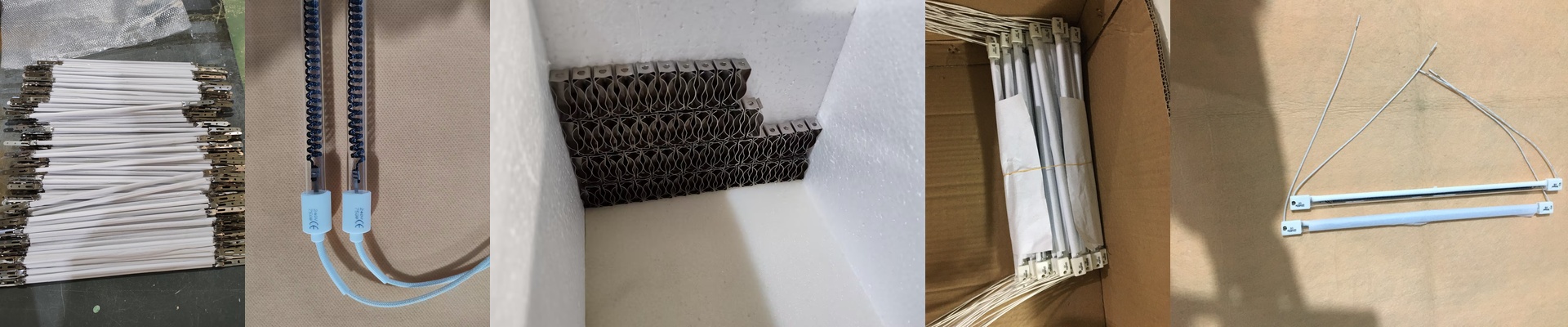
Ever get stuck trying to heat a spot that’s just… impossible to reach? We built this carbon fiber telescopic halogen heater for exactly those moments—when you need serious heat focused in tight, awkward corners on the factory floor. It’s all about getting intense infrared energy into the cavity without tearing your whole machine apart. When a regular fixed heater can’t fit the space, this one slides in, does the job, and gets out of the way.
Power, Voltage, and Reach
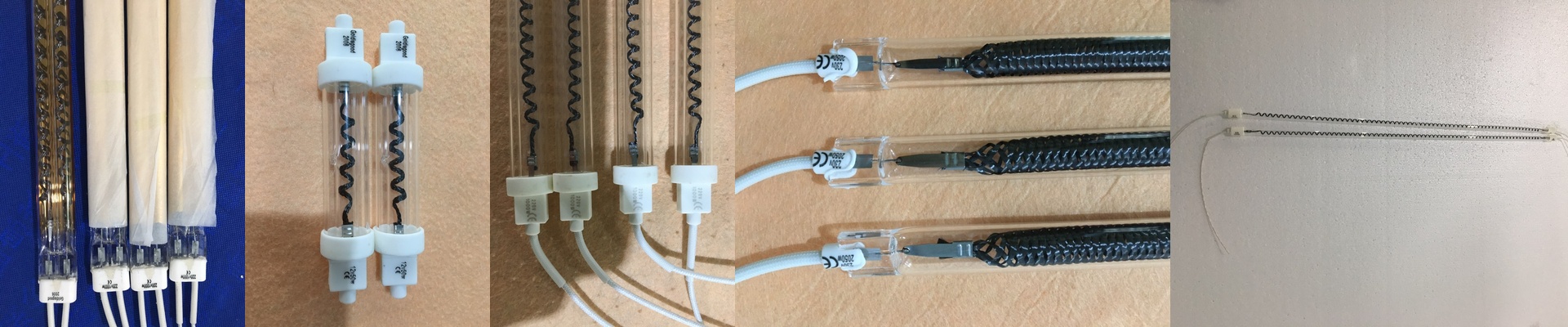
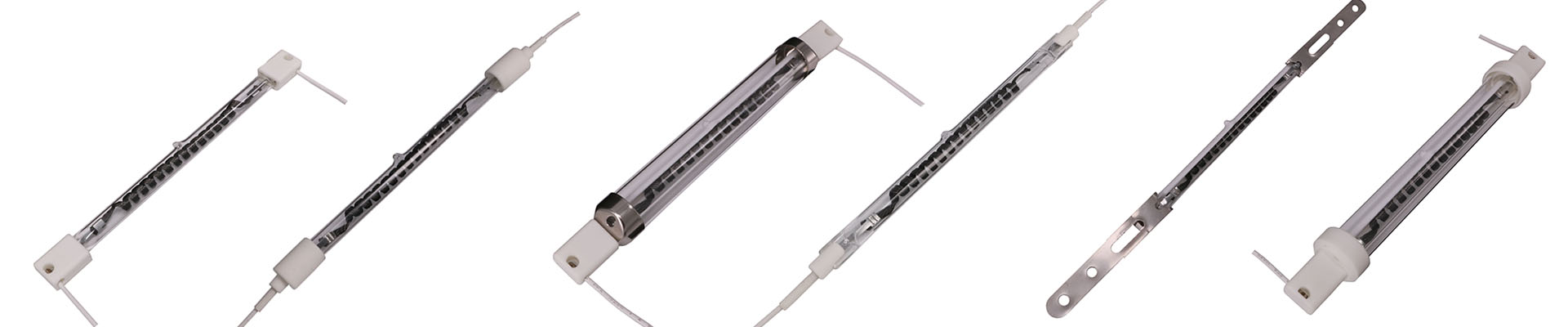
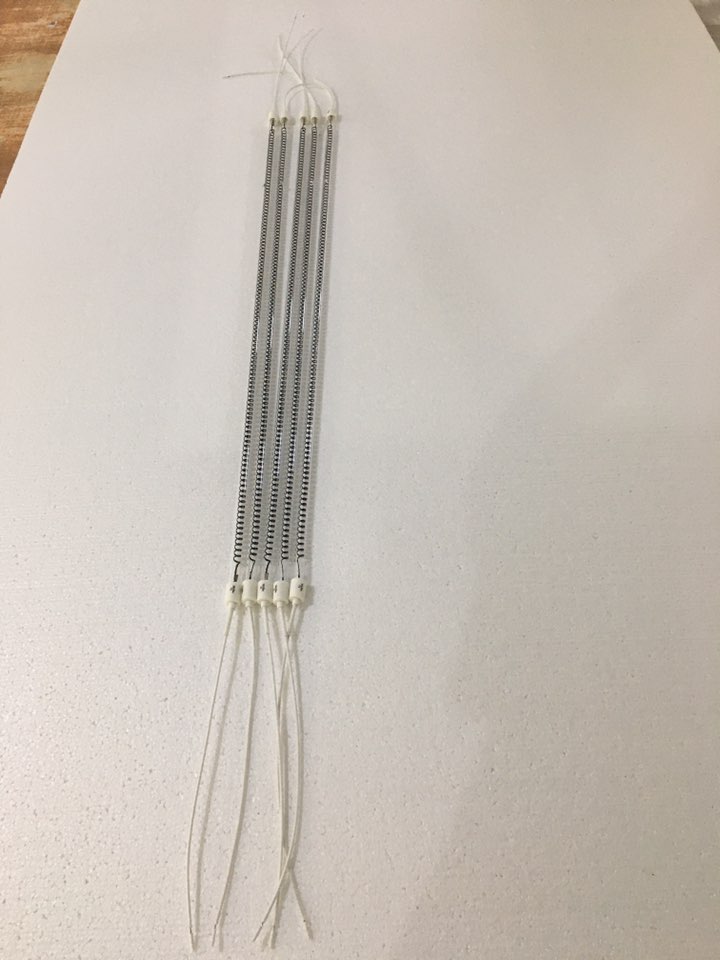
Inside, you’ve got a 400V, 2500W halogen element packed into a 300mm active length. That’s a serious punch of power density. It heats up fast and holds steady, which is exactly what you need when your process can’t wait around. The 400V rating is a smart detail, too. It keeps the current draw lower on the line side, so your wiring and contactors stay sized right for the long haul. Then there’s the telescopic carbon fiber body. It lets you extend the heater to the exact spot you need, and when you’re done, you retract it. Suddenly, storage is easier, and the element stays protected during transport or maintenance.
The Build: Halogen, Quartz, and a Smart Connection
The halogen element lives inside a quartz envelope. It’s tough enough to handle extreme heat and keeps the infrared output consistent, no matter how long the day runs. And the halogen cycle does a neat trick—it redeposits evaporated material back onto the filament. That’s what helps it stay stable and last, even when you’re heating up and cooling down over and over. We use an R7s connector because it locks in tight, with low resistance, and it installs quickly. You can swap it again and again without worrying about it loosening. The carbon fiber tube itself is stiff, light, and resists warping from heat. So even after thousands of cycles, it stays straight and true.
Where It Shines (And a Quick Reality Check)
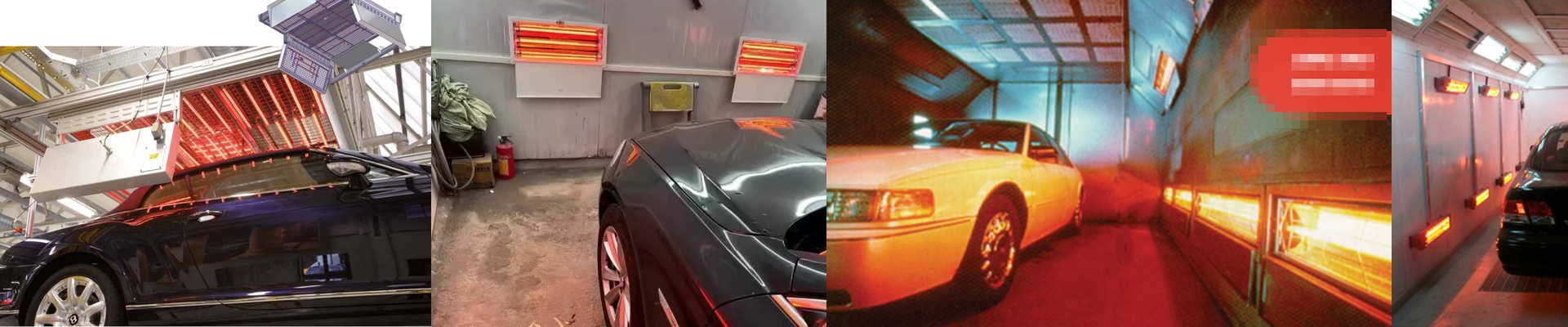
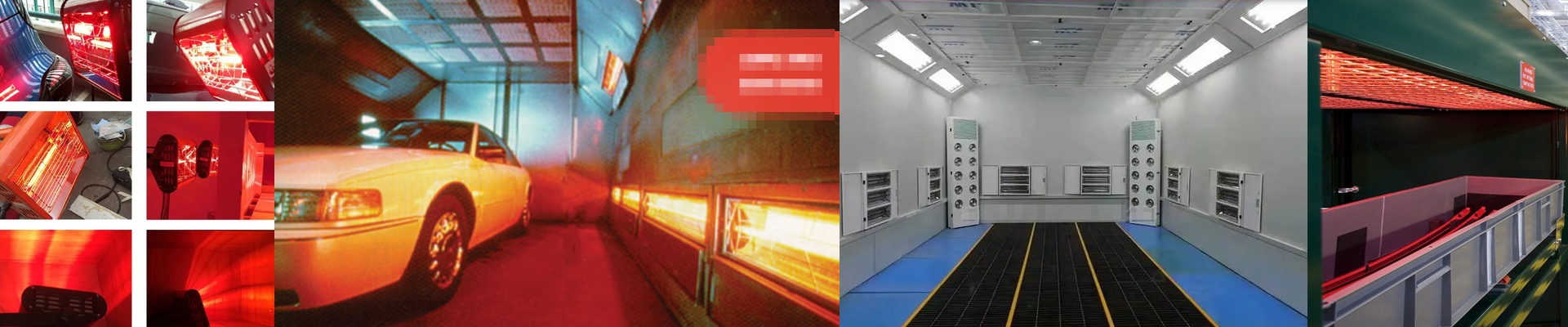
This setup is perfect for heating channels, nozzles, and tight spaces—especially in plastics processing, packaging, and composite curing. The telescopic design means you can drop the heat right where it’s needed, then pull it back when the job’s done. Now, a heads-up: that 2500W density creates a lot of local heat. Make sure the surrounding parts and your machine’s cooling can handle the extra warmth. Plan the mounting and airflow, and you’ve got a heat source that just does its job—reliably, quietly, and without drama.