Let’s talk power—and how it actually fits into your space
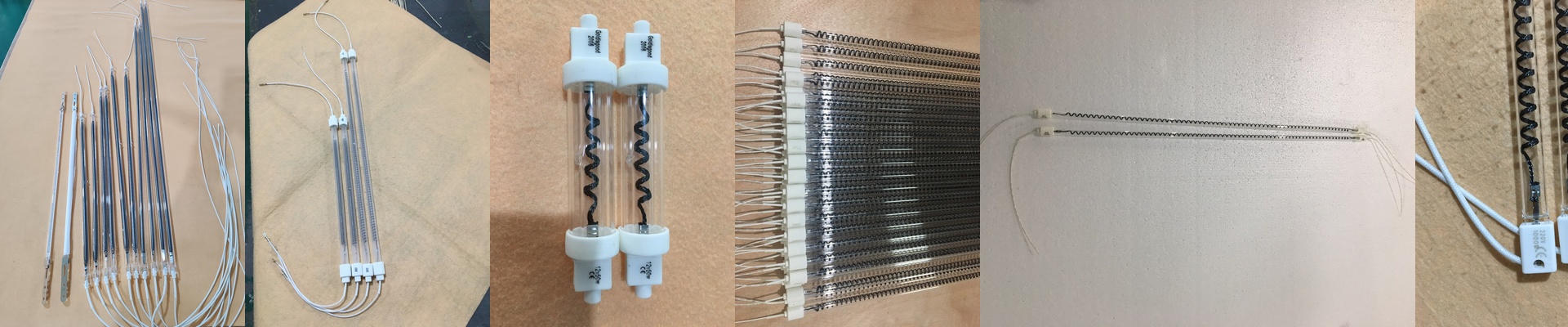
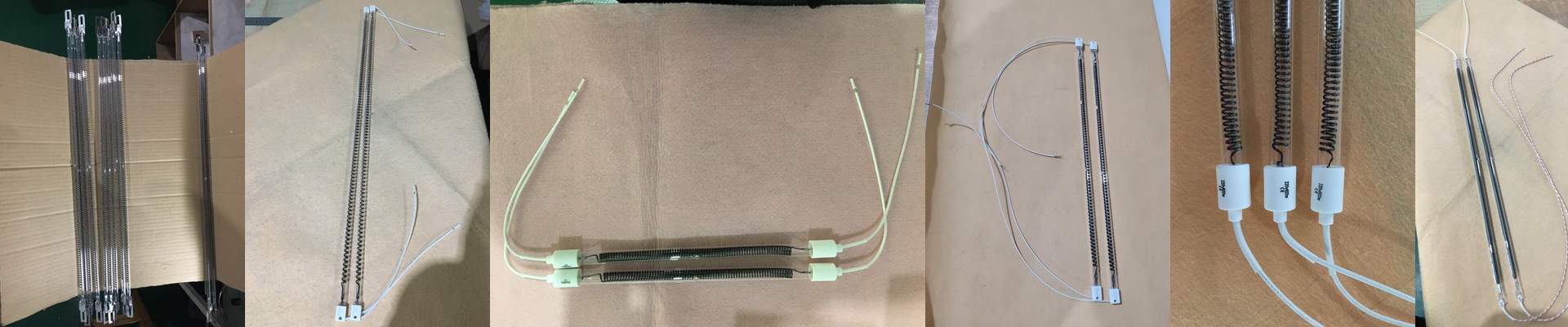
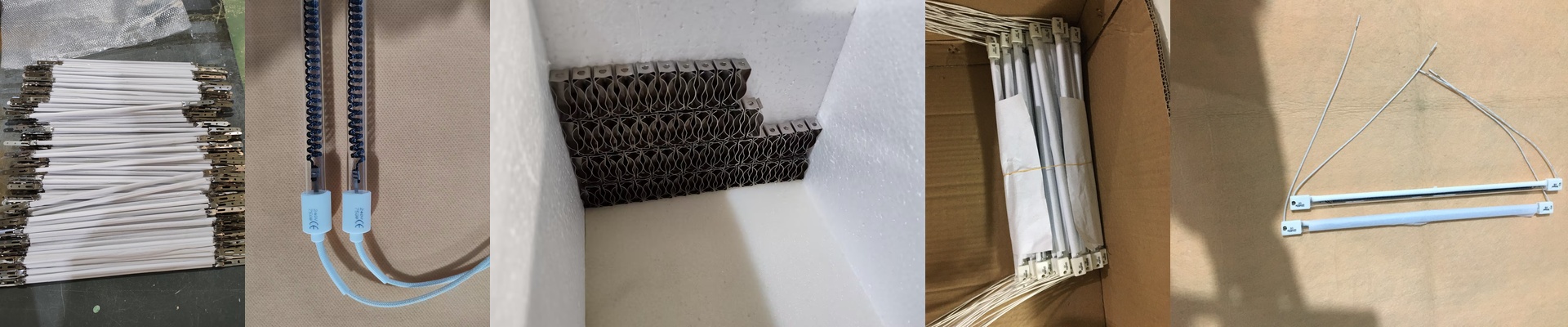
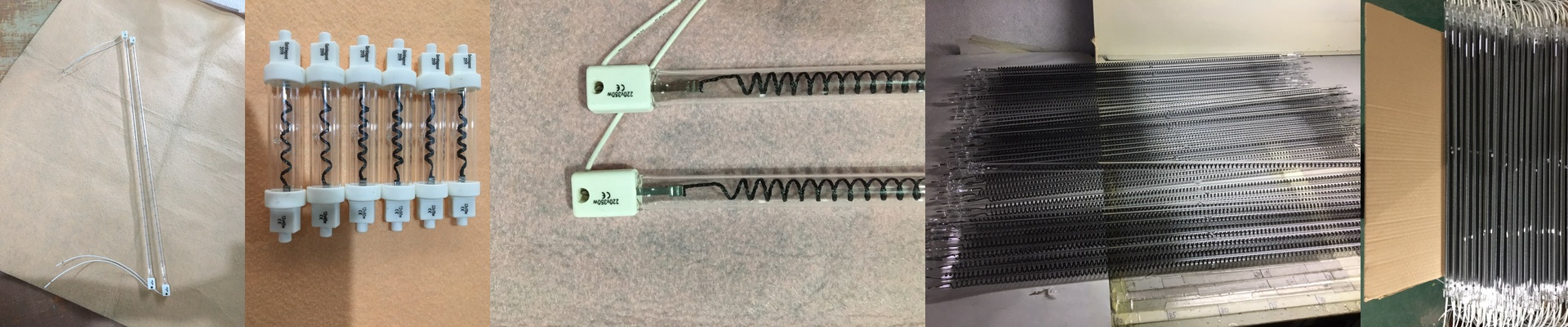
When we pick these carbon fiber heat lamps for home use, we’re aiming for one thing: serious infrared heat that stays compact. The usual setup is 230–240V or 400V, with wattage between 1500W and 2500W. And the tube? It’s kept short—around 300mm—so you can fit a lot of punch into a small enclosure. That short shape focuses the heat where you want it. The response is fast, and the hot spots feel predictable, not fussy.
The materials that make it work (without the drama)
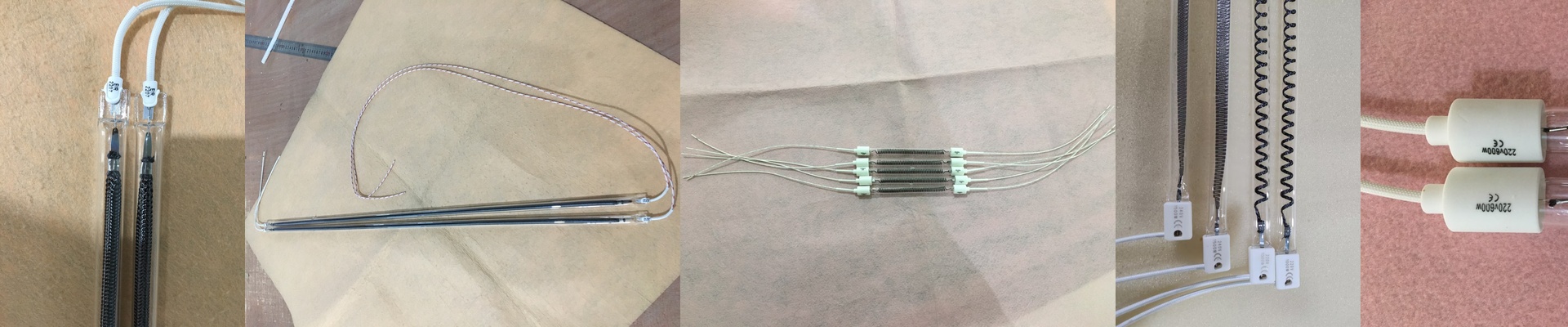
Inside, you’ve got a carbon fiber filament tucked into a quartz envelope, with halogen gas helping keep things stable at high temps. That stability matters because it fights the gradual darkening you get over time, so the output stays steady. The output itself is shortwave infrared, which means it goes straight into the target—like the floor, the work surface, the spot you’re aiming at—instead of wasting energy heating the air around it. And the R7s connector? It’s just the practical choice. It holds the tube securely, carries the current safely, and makes the lamp a clean, drop-in swap in existing fixtures.
Where this shines—and why it feels so effortless
If you’re heating room zones, entryways, or a small workshop, this setup gives you targeted warmth without pushing your central boiler into overdrive. The footprint is small, so it fits where you need it, and the R7s connection keeps installation straightforward. Here’s the part to keep in mind: that high wattage density is powerful, so you’ll want wiring that’s up to the job and enough airflow to keep everything running cool. Match the circuit to the load, and give the lamp room to breathe. When you do, the heat arrives fast, focused, and ready.