Stop wasting space on slow brake pad ovens
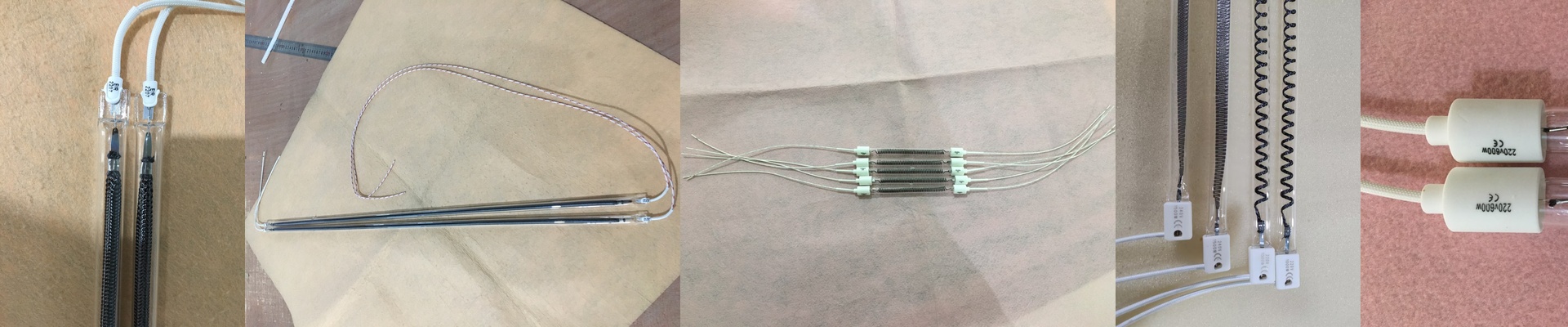
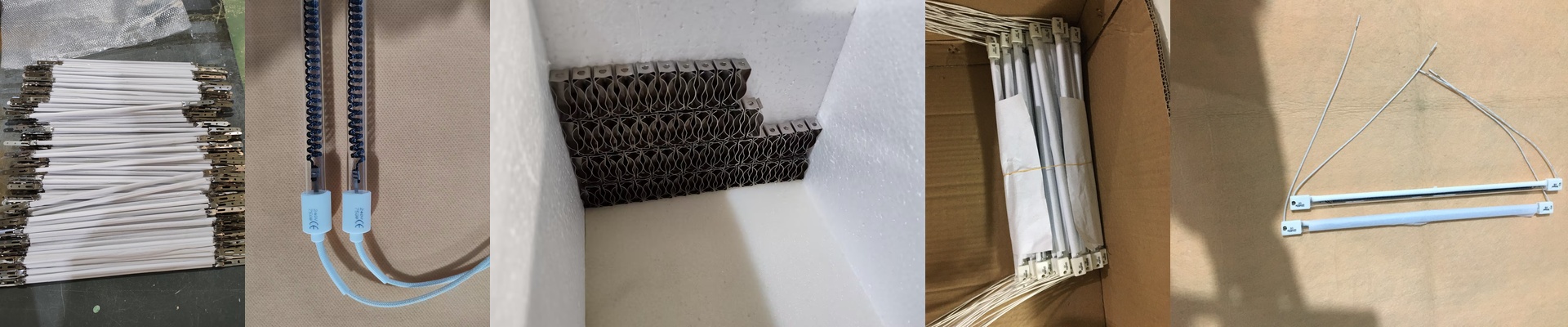
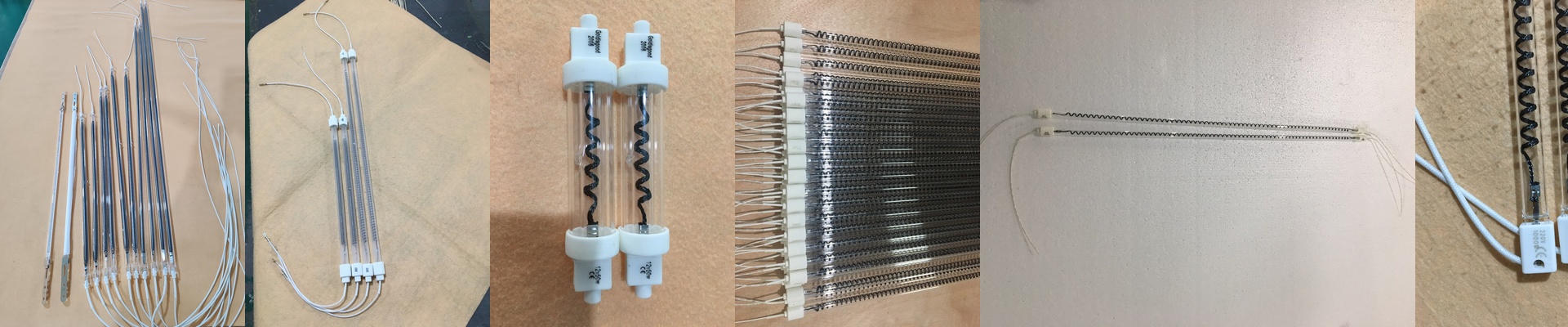
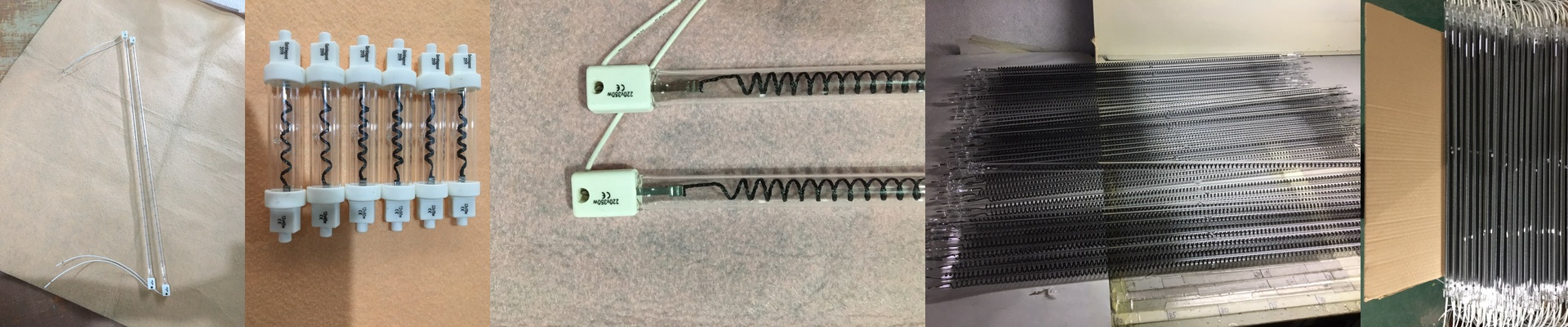
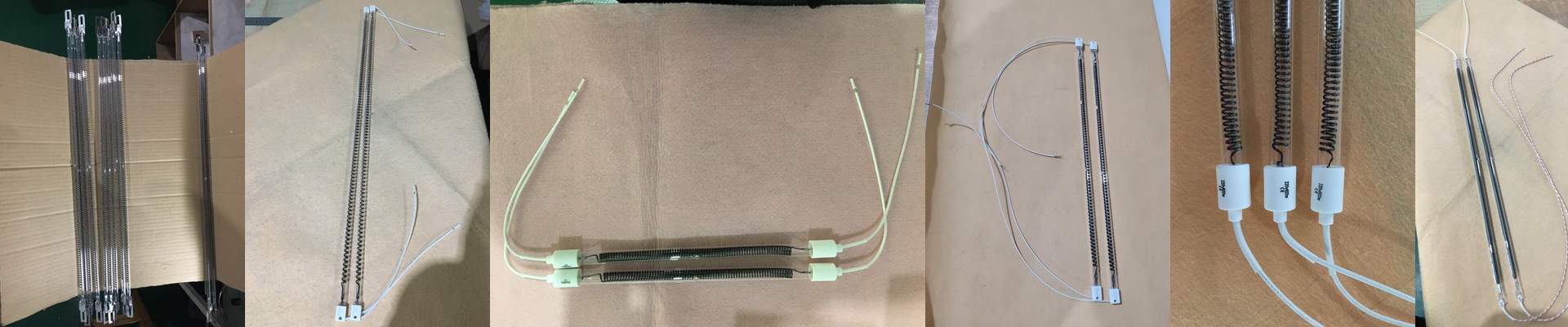
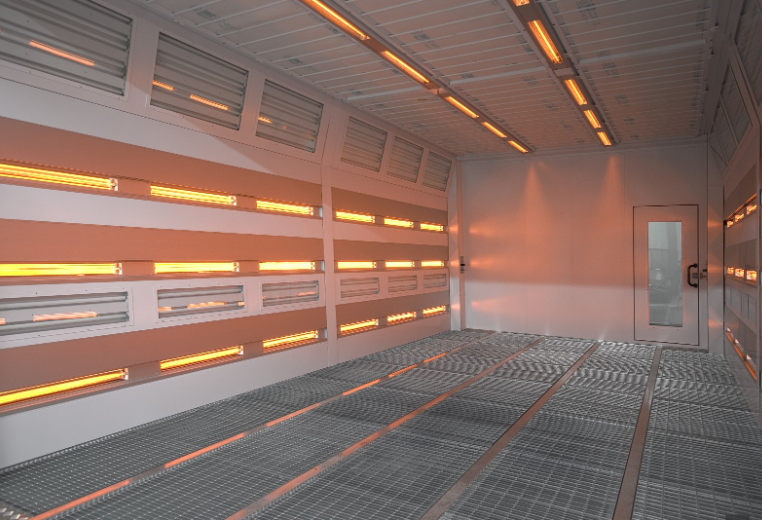
If you’re still using a standard convection oven for your brake pad coating, you know the drill. You’re basically heating up a massive amount of air and hoping it does the job. It’s slow. And honestly? Most of that heat just leaks out onto the factory floor instead of actually getting into the parts. We’ve found a better way. By swapping those long, sluggish lines for short-wave infrared (SWIR) tunnels, you can move more parts through the shop and reclaim a huge chunk of your floor space. How it actually works Here’s the thing about SWIR: it doesn’t wait around. Instead of heating the surface and waiting for that heat to slowly soak inward, these infrared waves dive straight into the coating. It kicks off the chemical cross-linking almost immediately. You get the same hard, durable cure, but in a fraction of the time. Getting your floor space back This is where it gets exciting. If you’re currently dealing with a 20-meter convection line, you’re losing a lot of real estate. With an IR setup, you can often get the exact same result in 5 to 8 meters. That’s a lot of room you can suddenly use for other assembly stages. Plus, we use high-density quartz elements. They hit their target temperature almost the second you flip the switch. No more standing around waiting for old-school heating coils to warm up before you can start your shift. The “catch” (and how to fix it) Now, it’s not all magic. When you throw that much heat at a part, you have to be careful. If you just blast it, you’ll get “skinning”—where the top layer dries too fast and traps wet solvents underneath. Not ideal. To stop that, we play with the lamp zoning. We usually start with lower intensity at the entrance and ramp up to peak power in the middle. This keeps the cure uniform. One last tip: make sure your conveyor belt is tough. Direct IR radiation is intense, and you don’t want your belt degrading after a few weeks of heavy use.