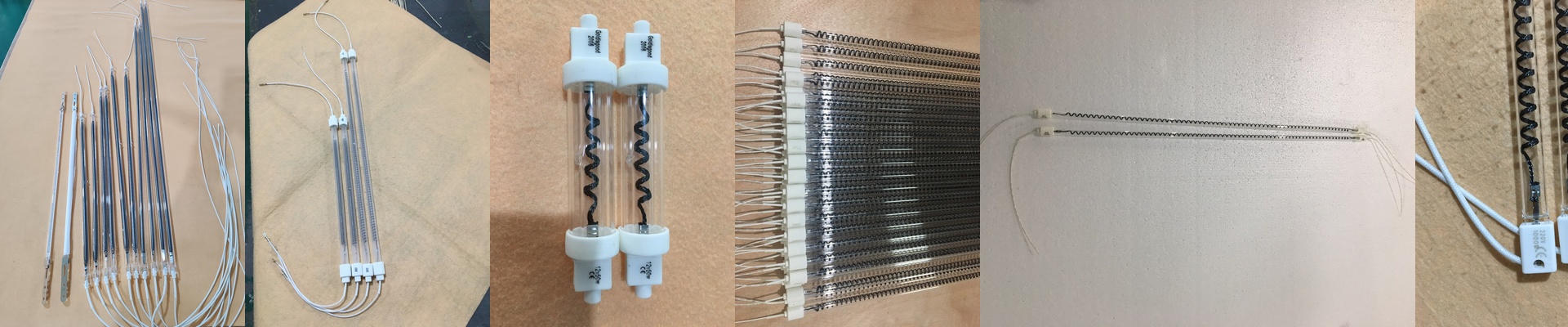
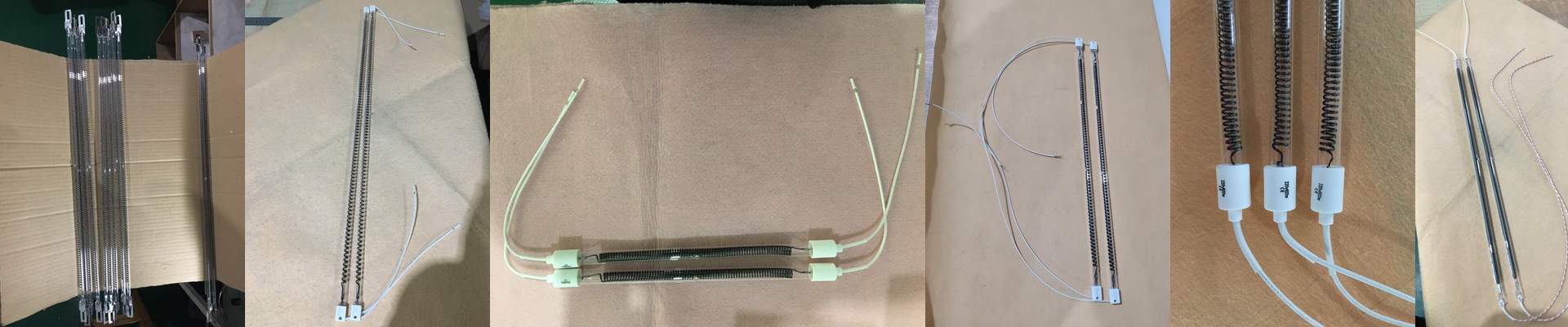
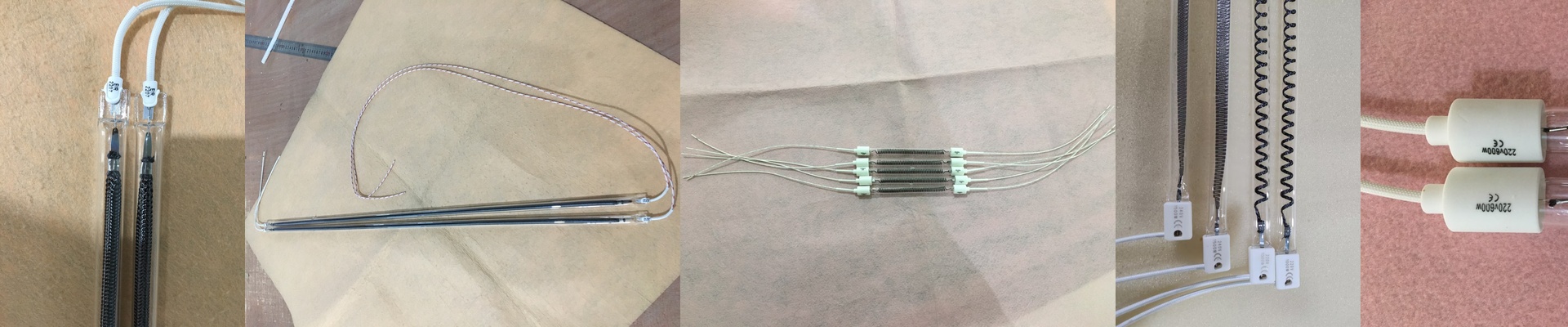
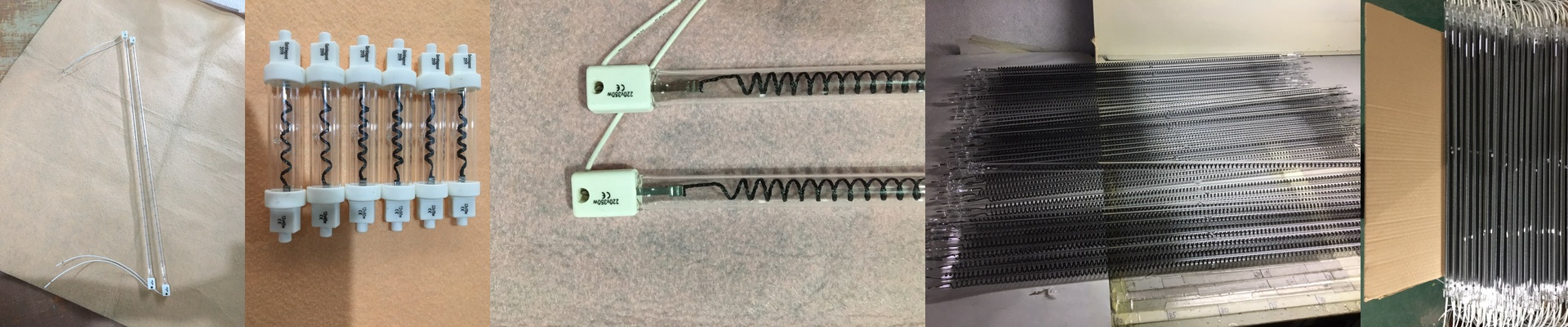
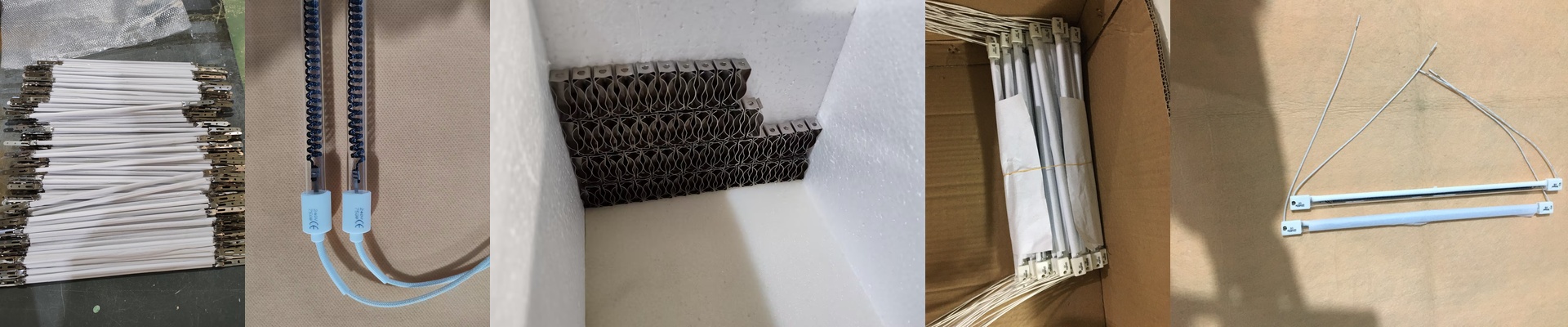
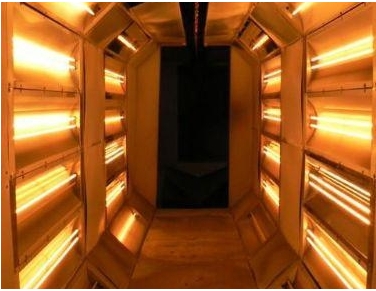
Ever wonder why some brake pads squeal or vibrate? It usually comes down to how they were cured. If the surface of the material hardens way faster than the middle, you end up with internal stress and weird density gaps. It’s a mess. To fix this, we use shortwave infrared (IR) lamps. Instead of just scorching the top layer, these lamps push heat deep into the heart of the material. The problem with ovens Standard convection ovens heat things from the outside in. It creates a “skin effect”—the outside is over-baked, but the center is still soft. Our IR lamps are different. They emit radiation at wavelengths that the resins in the pads actually “want” to absorb. The energy basically skips the surface and hits the bulk of the material all at once. The result? A uniform cure from top to bottom. Getting the setup right To make this work, we use lamps with high power density. Shortwave emitters are the way to go because they pack the most punch. You need that quick temperature spike to get the resins to cross-link properly. We use quartz envelopes because they can take a beating from extreme thermal shock. And if you’re running a fast line, you’ll want a zoned control system. It keeps things even and stops hot spots from cracking your material. Real talk: The shop floor Consistency is the goal, but there’s always a trade-off with heat density. When you’re pumping high wattage into a small space, your conveyor speed has to be spot on. If the pads sit under those lamps a second too long, you’ll burn the organic binders. It’s a balancing act. You have to dial in the lamp intensity and the line speed just right to hit that core temperature without ruining the finish. Get that balance right, and the noise disappears.