Getting Brake Pad Curing Right (Without the Cracks)
Curing brake pads is a bit of a balancing act. You have to ramp up the heat just right to get the moisture out and the resins to bind, all without ruining the structural integrity of the material. Here’s the problem: if you rush it or heat things unevenly, the outside of the pad hardens while the core is still trying to breathe. Those gases get trapped inside. The result? Internal holes and those annoying thermal cracks on the surface. It’s a mess.
Why we lean on IR
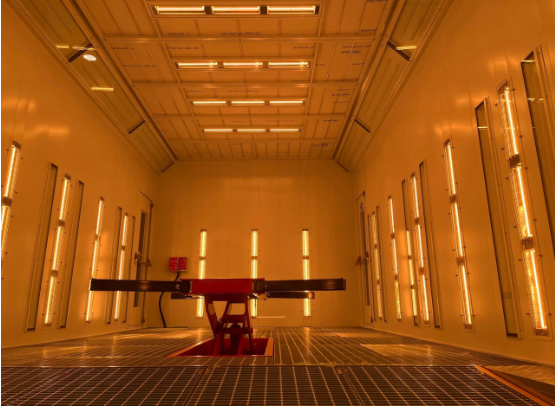
To fix this, we use short-wave infrared heating. Think of it this way: a standard convection oven just heats the air, and the air heats the pad. IR is different. It punches right through to the core of the material. By tweaking the wattage and the distance of the elements, we can keep the temperature difference between the surface and the center really tight. If that gap gets too wide, the material shrinks at different speeds. And that’s exactly when you get cracks.
The gear that actually works
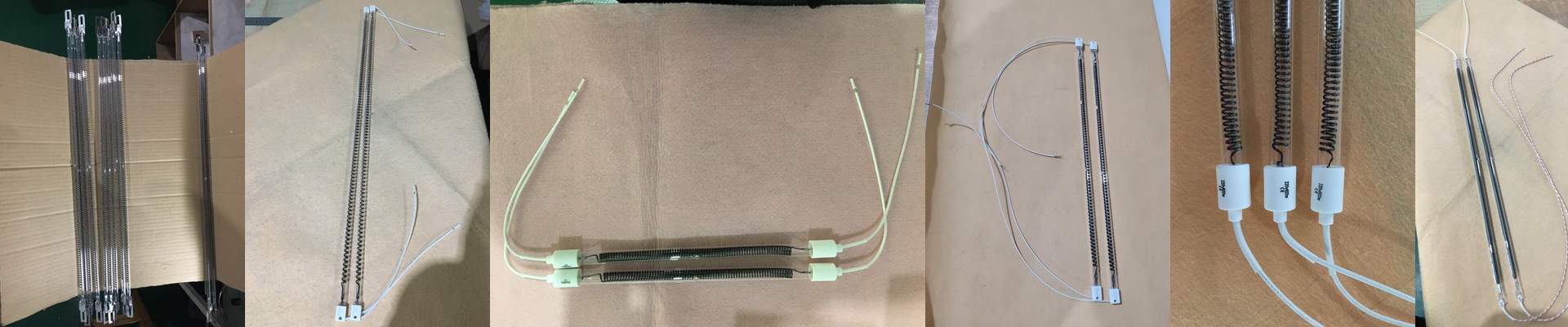
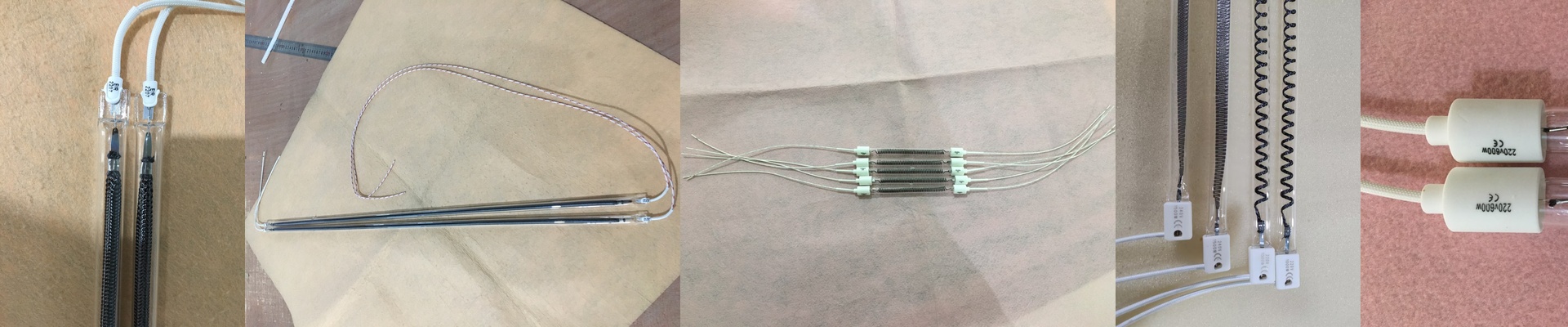
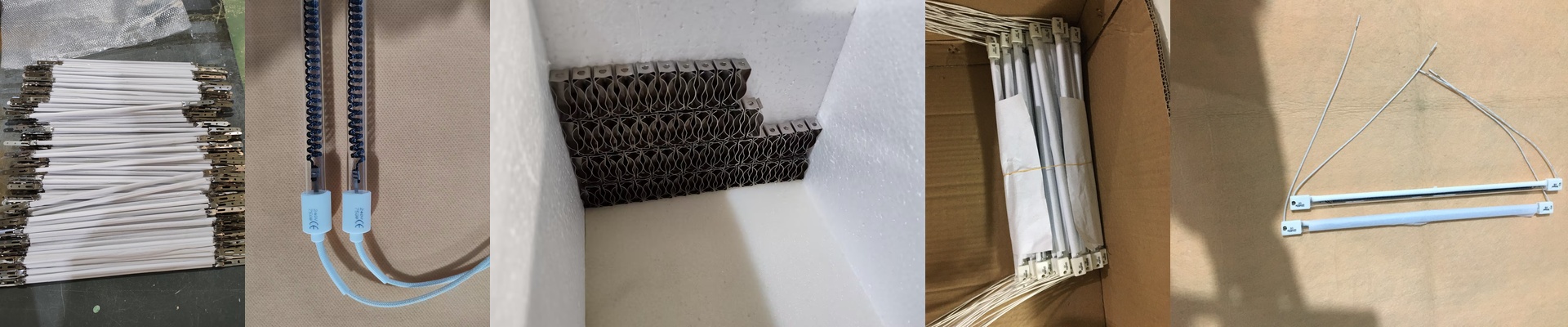
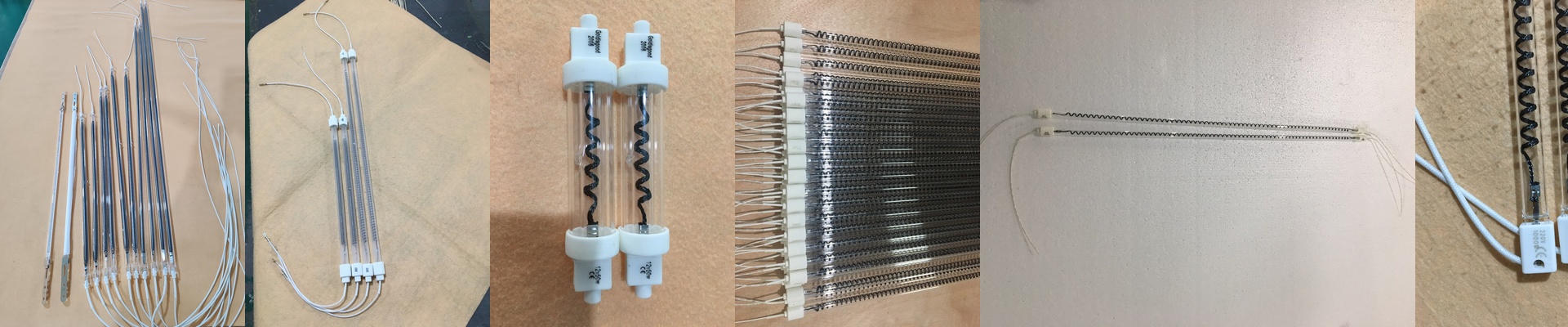
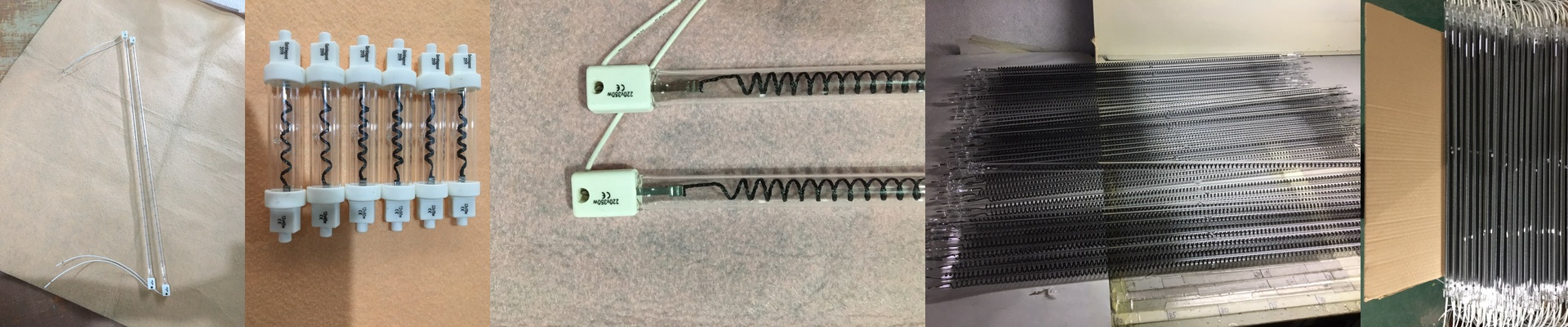
You can’t just use any heater. You need elements with high power density that react fast. We usually go with quartz-encased elements because they can cycle through temperatures quickly. But the hardware is only half the battle. You’ve got to wire these into a PID-controlled loop. If you use a basic on/off controller, you’ll get “overshoot”—where the temp spikes too high before settling. One more thing: watch your footprint. If your elements are too big for the oven, you’ll end up with hot spots. You have to find that sweet spot between element length, wattage, and how fast your conveyor is moving to make sure every pad gets a uniform soak.
The trade-offs
Now, high-wattage IR is great for hitting those fast production targets the bosses want, but it puts a real strain on your electrical panels. Make sure your wiring and contactors can actually handle the peak load, or you’re just trading one heat problem for another. And be careful with the setup. Short-wave IR is powerful, but it’s picky. If an element bracket shifts just a couple of centimeters, the surface temp can jump enough to crack a sensitive resin blend. Precision matters here.