Stop Fighting Your Brake Pad Curing Line
Let’s be honest: there is nothing more frustrating than pulling a batch of brake pads off the line only to find they’re unevenly cured. It’s a waste of material, a waste of time, and a total headache. Usually, the culprit is “power drift” in your IR modules. They start strong, then they dip, and suddenly you’re staring at a pile of scrap. We build our IR modules to stop that from happening. They’re designed to run 24/7 without that annoying power drop.
The Secret to Steady Heat
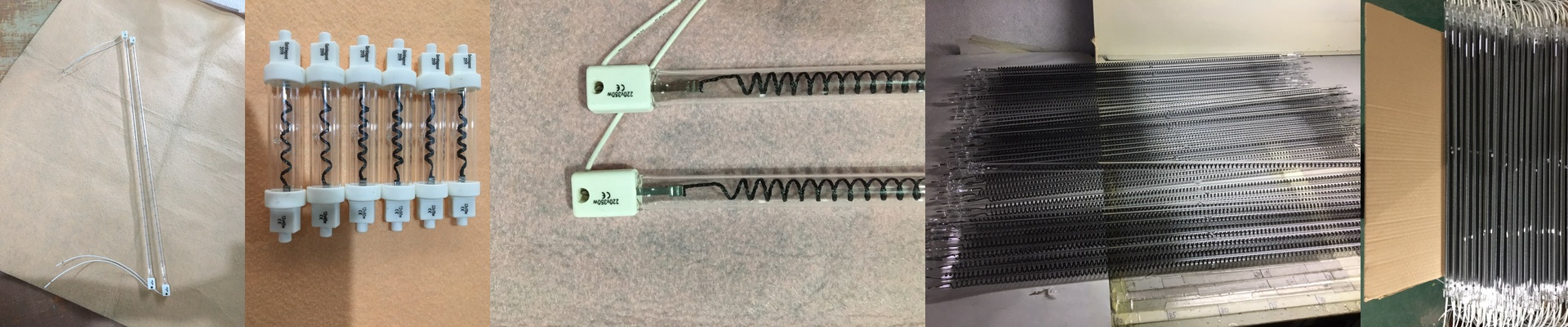
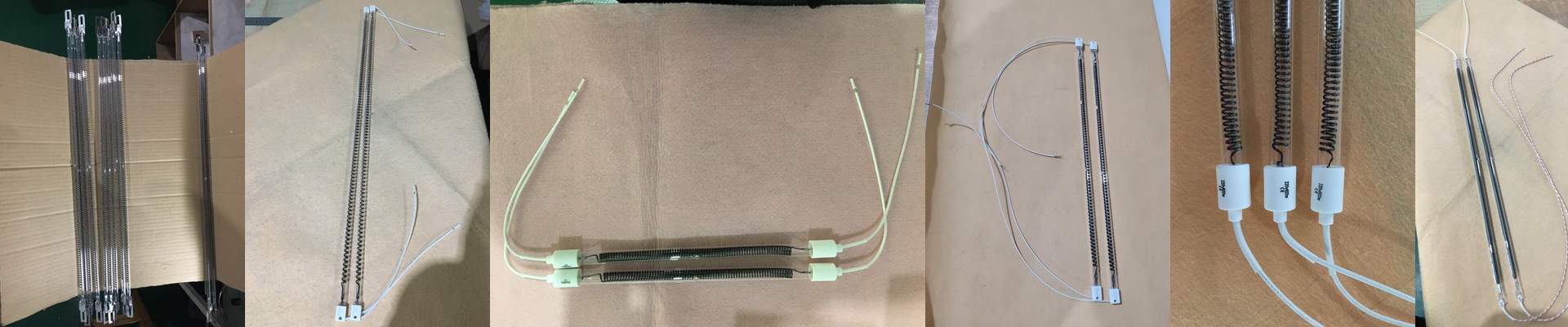
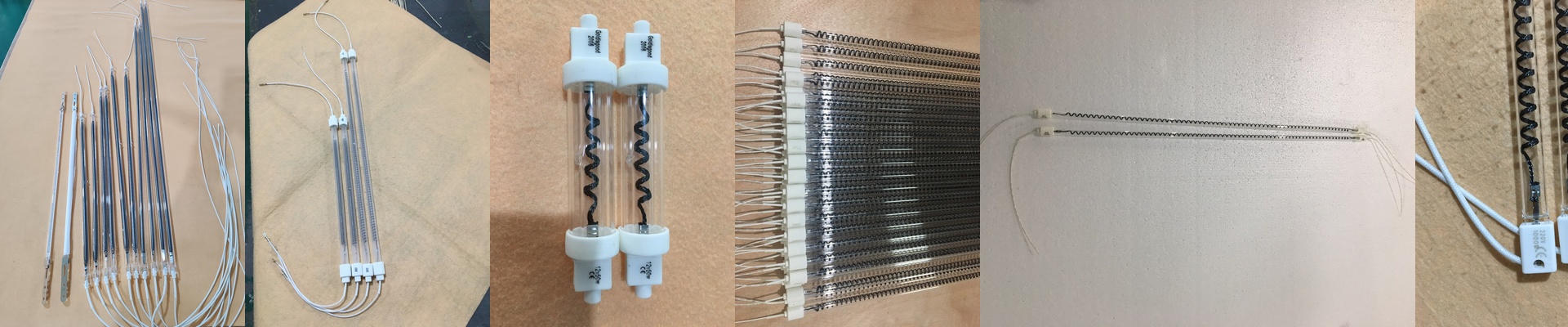
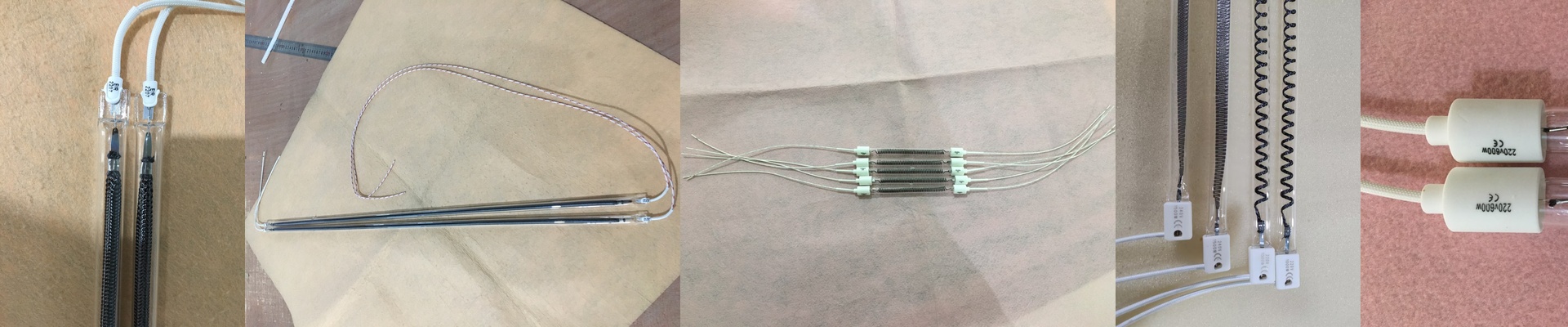
Getting zero fluctuation isn’t magic—it’s just about the materials. We use high-purity quartz and specific tungsten filaments that don’t sag. Why does that matter? Because when a filament sags, your heat shifts. You get “hot spots” that torch the resin while other areas stay cold. A lot of people try to fix aging lamps by just cranking up the voltage. Don’t do that. We calibrate the resistance so the power curve stays flat for thousands of hours. One quick tip: if you’re running a high-density setup, check your cooling fans. If they aren’t up to the task, your socket housing will melt long before the lamp even gives out.
Built for the Long Haul
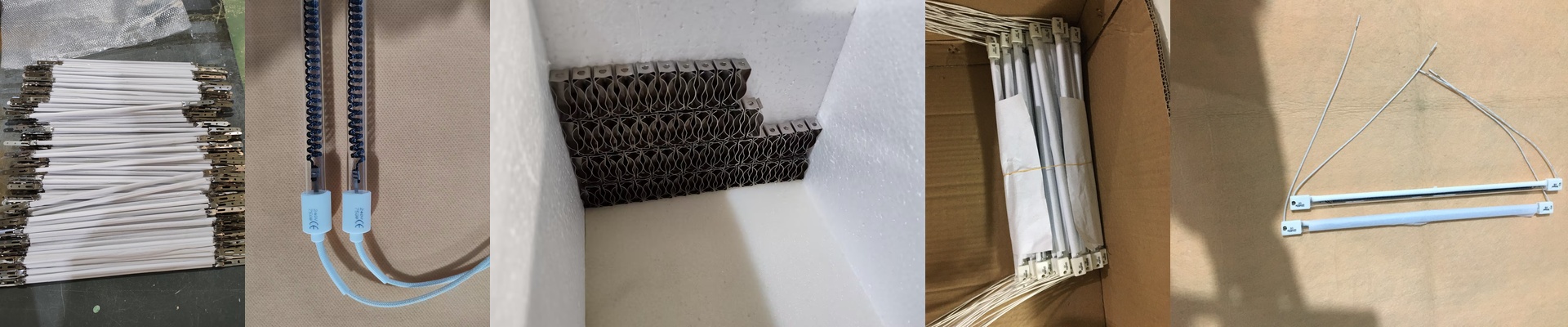
We stay far away from consumer-grade connectors. They just can’t handle the heat. Instead, we use reinforced industrial terminals with silver or gold plating. It sounds like a small detail, but it prevents oxidation. Oxidation creates resistance, and resistance kills your wattage. Keeping the electrical path clean means your heat stays consistent. We also coat the quartz tubing. This shifts the emission spectrum so the heat actually sinks deep into the brake pad material instead of just scorching the surface.
Getting Them Into Your Line
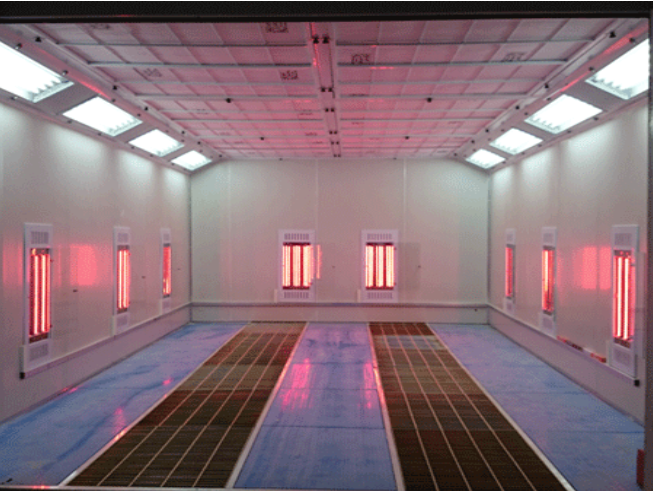
You don’t need to rip out your wiring or spend a weekend redesigning your floor plan. These are drop-in replacements. We match the footprint of your current racks, so they just slide right in. Just a heads-up: when you increase your heat density, your conveyor belts feel it. Keep a close eye on your belt tension and shielding. If you’re running these modules at full tilt, your belts will wear down faster. It’s a trade-off, but it’s one you can manage with a little bit of maintenance.