Getting Your Heat Distribution Right in Automotive Heating Walls
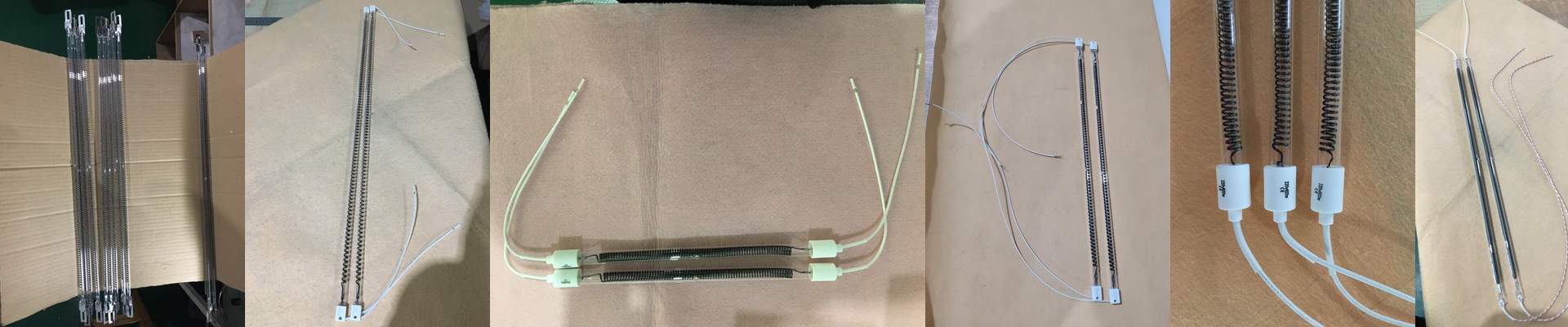
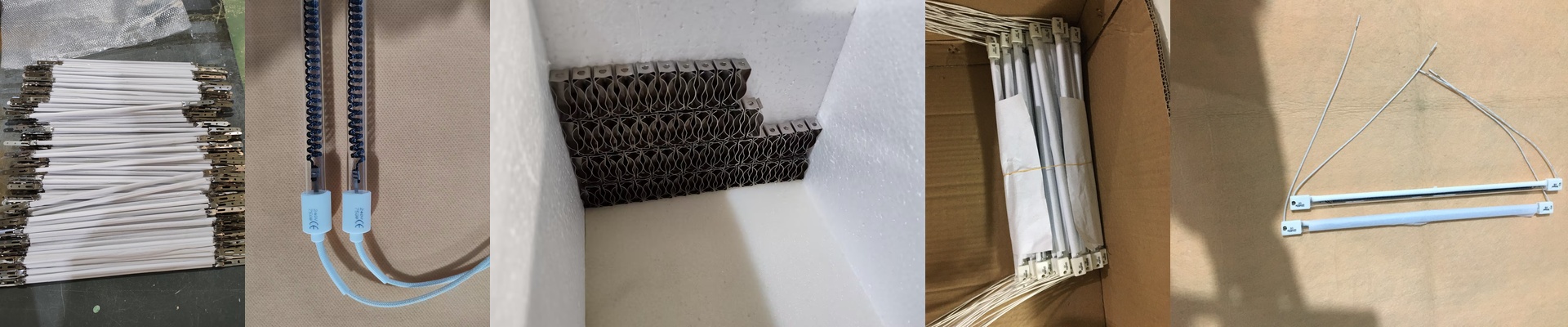
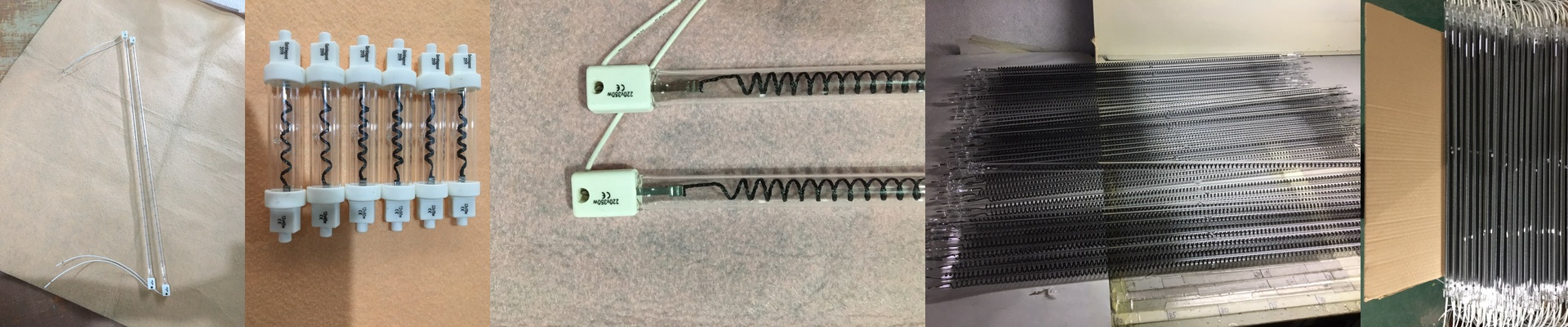
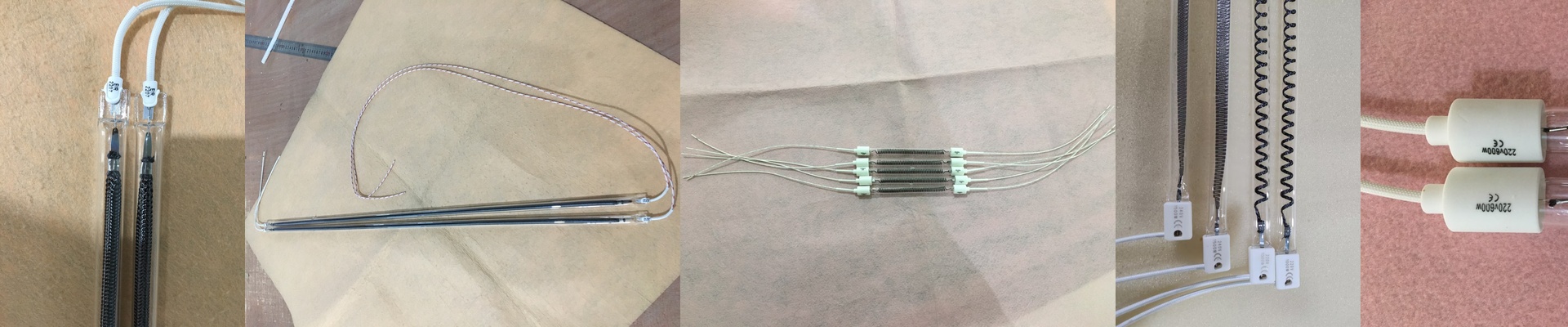
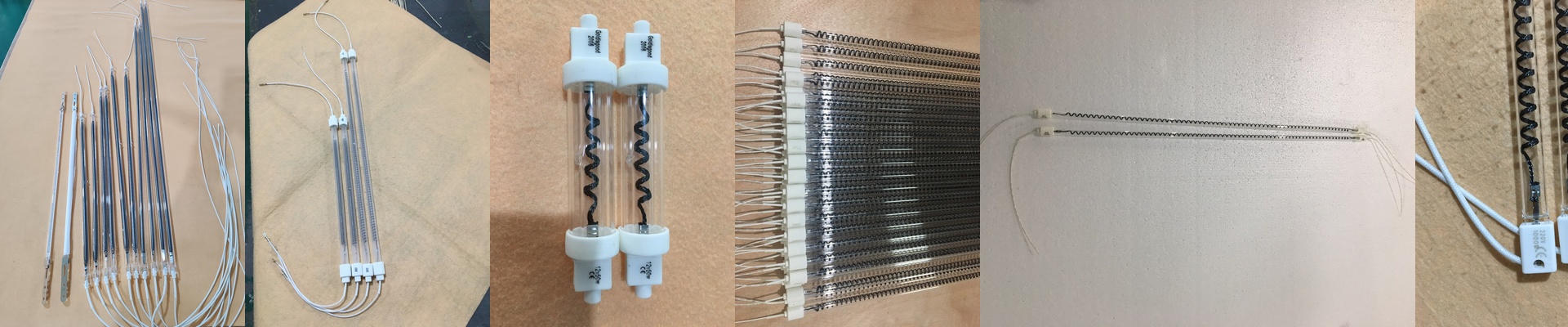
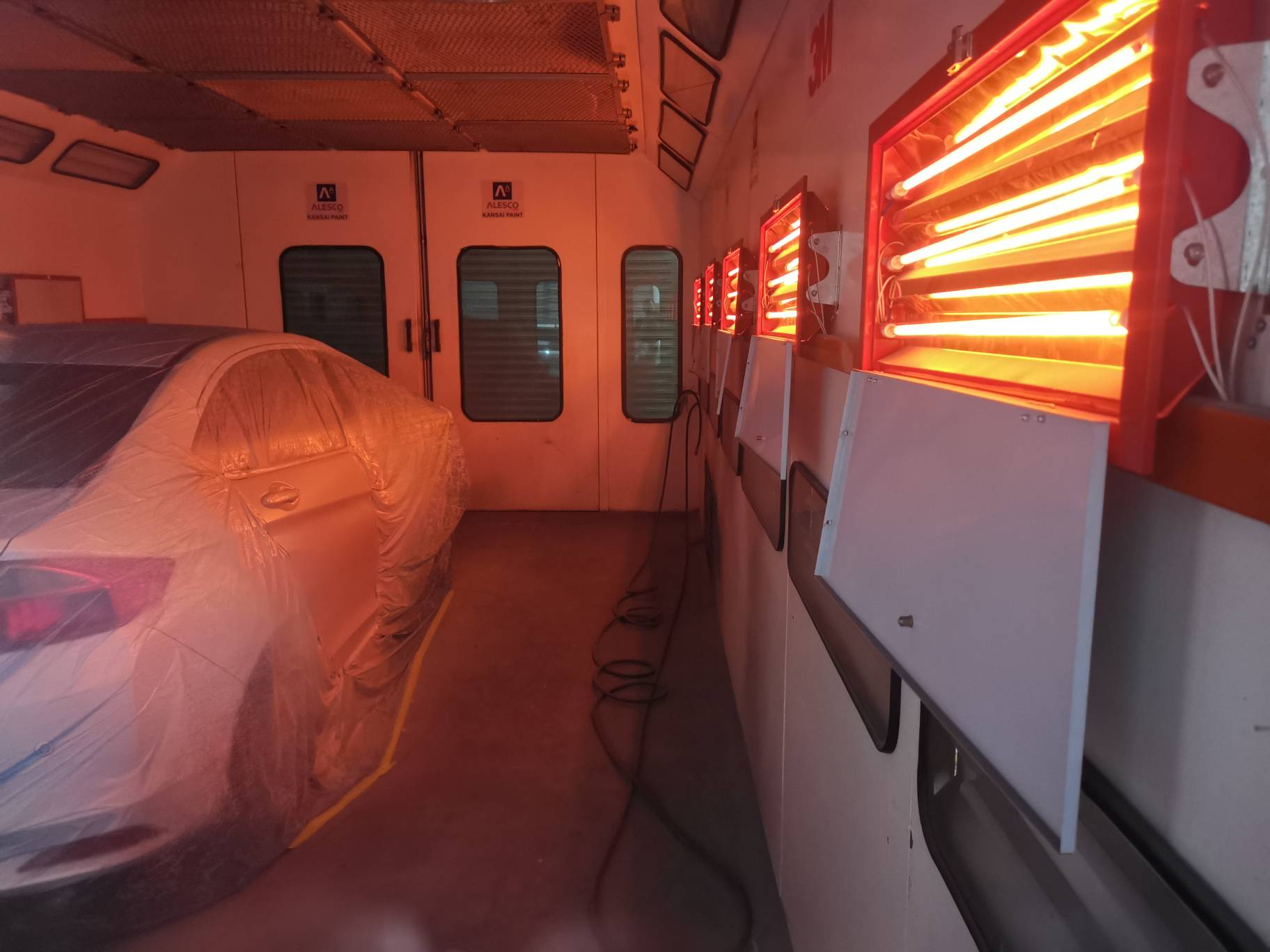
When we’re putting together custom heating walls—whether it’s for a paint booth or a line for curing brake pads—the real headache isn’t the total power. It’s how that heat actually hits the part. Cars come in all shapes and sizes. If your lamps are spaced too far apart, you end up with cold spots. But if you cram them too close? You’re risking a burnt substrate. It’s a delicate balance. Matching the heat to the part We start by looking at the footprint of whatever you’re heating. For things like chassis painting or brake pads, you need the heat to soak deep into the material without scorching the surface. That’s why we mix it up: short-wave IR for that quick surface hit and medium-wave to get deeper inside. There’s also a bit of physics at play here. Heat intensity drops off as the angle changes. To stop that from happening, we overlap the radiation cones of each lamp. It’s the only way to make sure the edges of the part get the same punch of energy as the center. Building for the real world We don’t just weld these lamps into a fixed wall. That would be a nightmare. Instead, we use modular frames. If you switch to a new vehicle model, you just shift the lamp rows. Simple. We also use quartz tubes and high-temp reflectors. The goal is to push the heat forward toward the part, rather than letting it soak into the wall and waste energy. Then there’s the power side of things. High-wattage arrays get the job done fast, but they can absolutely hammer your breakers. To keep things manageable, we usually set up zoned controls. That way, if you’re working on a smaller part, you can just kill the power to the top or bottom rows. The nitty-gritty of installation You can’t just use any old wire here. We use high-temp cabling so the insulation doesn’t melt the moment things get hot. We also stick with plug-and-play connectors. When a tube eventually burns out, you want to swap it in minutes. Nobody wants a production bottleneck because of one dead bulb. One last thing: keep an eye on your airflow. When you crank up the heat density, your ventilation has to be able to keep up. If it can’t pull that ambient heat out of the booth, your operators are going to bake. And nobody likes that.