Getting Your IR Heating Walls Right for Different Brake Pad Sizes
When you’re running a coating oven for brake pads, it’s a delicate balance. You need the chemical bond to set perfectly, but if you push it too hard, you’ll scorch the substrate and ruin the part. Most people think the secret is just cranking up the wattage. It’s not. The real trick is how you actually space those infrared emitters vertically.
Dealing with the “Hot Spot” Headache
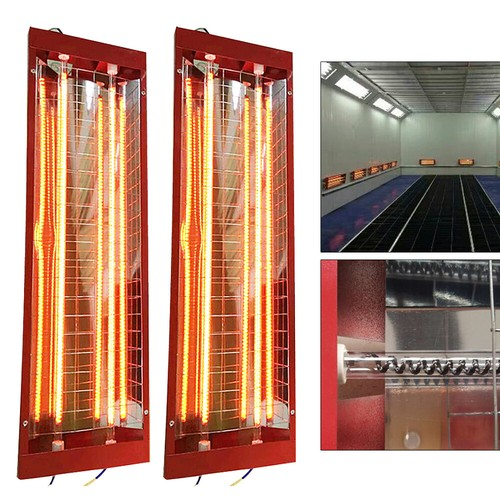
Here’s the thing: brake pads aren’t one-size-fits-all. You’ve got tiny pads for compact cars and massive ones for heavy-duty trucks. If you just slap in a standard grid of lamps, you’re going to have problems. Smaller pads end up with “hot spots” that burn, while the big pads have “cold zones” where the coating just doesn’t cure. We handle this by playing with the vertical pitch of the IR tubes. We pack the emitters tighter in the center and thin them out toward the edges. It creates a much smoother heat field. You just have to map out your part sizes against the radiation angle of the lamps so you aren’t guessing.
Building the Wall
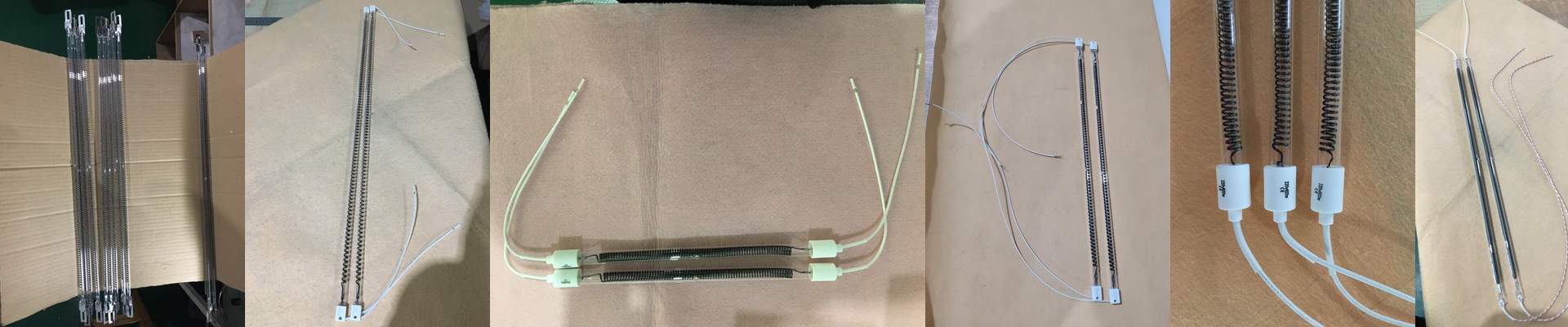
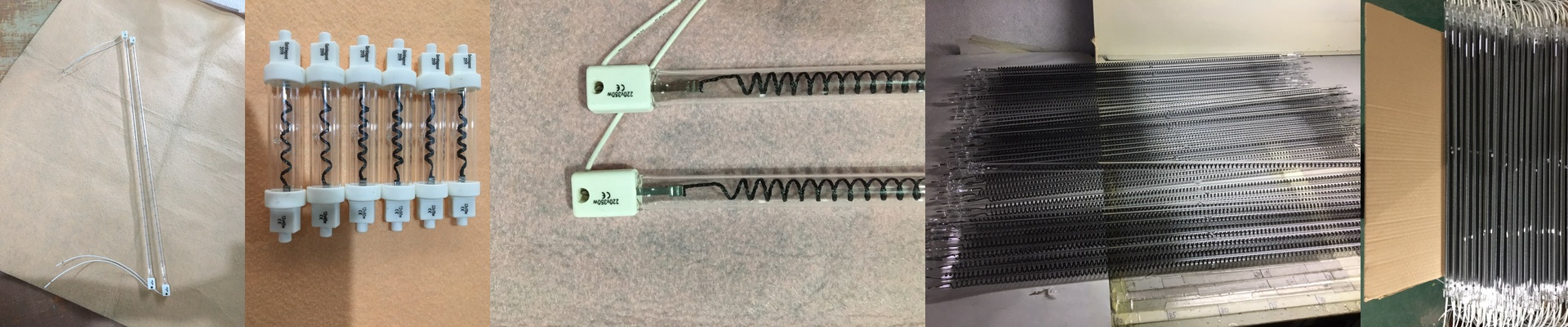
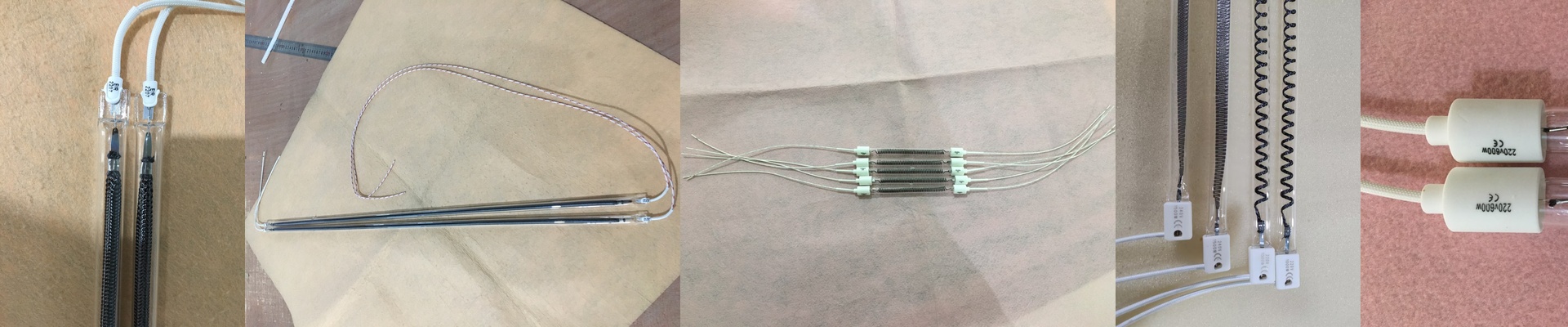
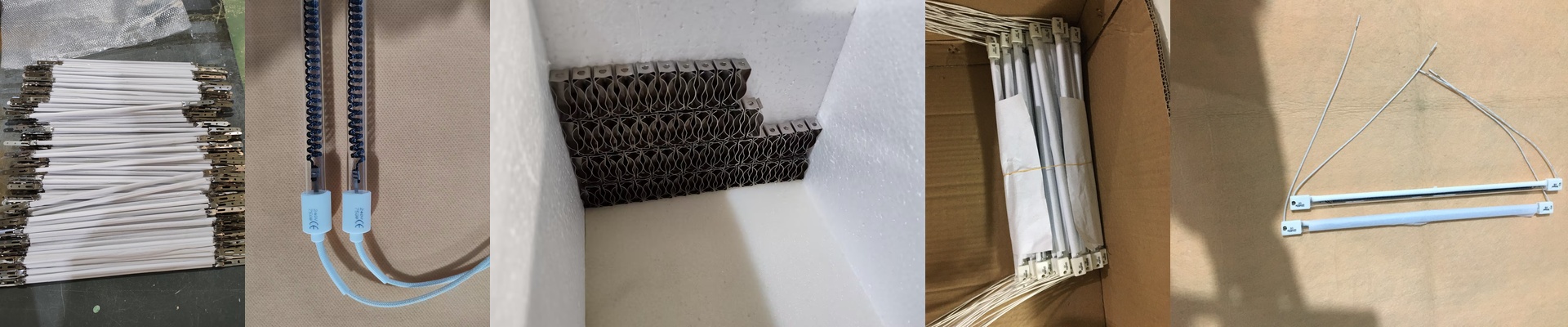
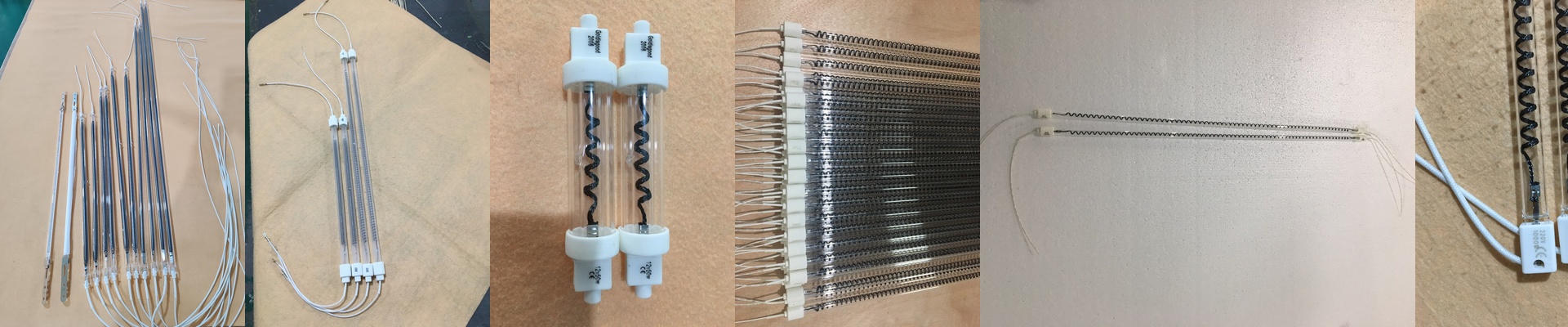
We usually stick with shortwave quartz lamps. They’re great because they punch through the coating fast. But you have to watch out for the “edge effect”—that annoying dip in heat right at the boundaries of the zone. To fix that, we often stagger the lamps or add reflective backing plates. It basically bounces that wasted energy back onto the part where it actually belongs.
The Trade-offs (and the Traps)
Of course, adding more lamps to cover a larger area comes with a price. Your power draw goes up. You’ve got to make sure your wiring and power supply can actually handle that peak load without tripping a breaker. And keep an eye on the heat soak. High-density arrays trap a lot of ambient heat inside the oven shell. If your vents aren’t up to the task, you’ll start warping your mounting brackets or, worse, frying your lamp connectors. One last piece of advice: keep the spacing tight for those high-speed lines, but for heaven’s sake, leave enough room for a technician to swap out a tube. Nobody wants to tear down an entire wall just to replace one burnt-out lamp.