Stop Guessing Your Heat: Getting Brake Lining Curing Right
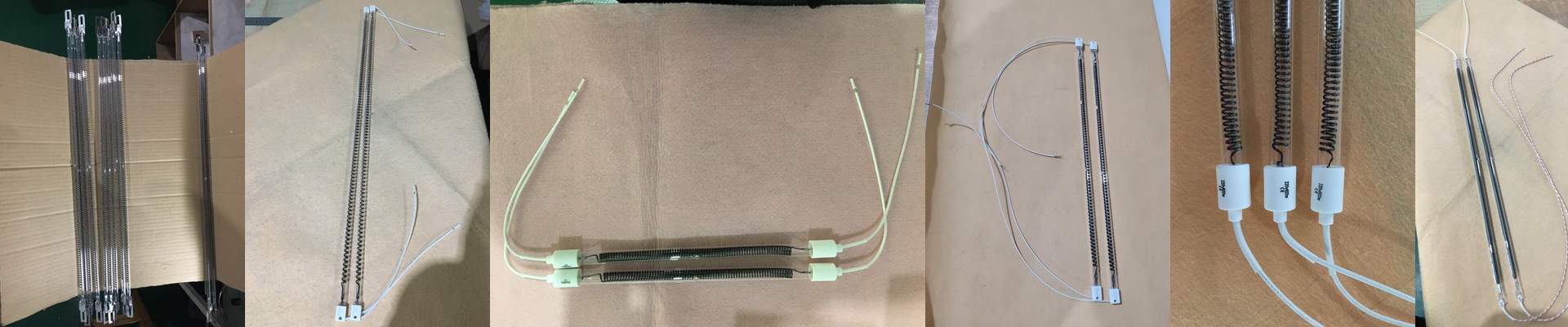
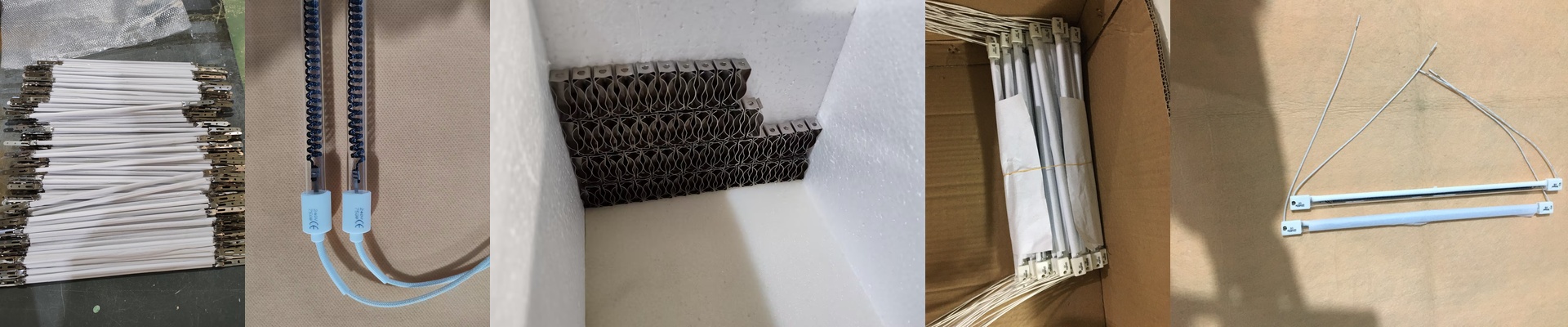
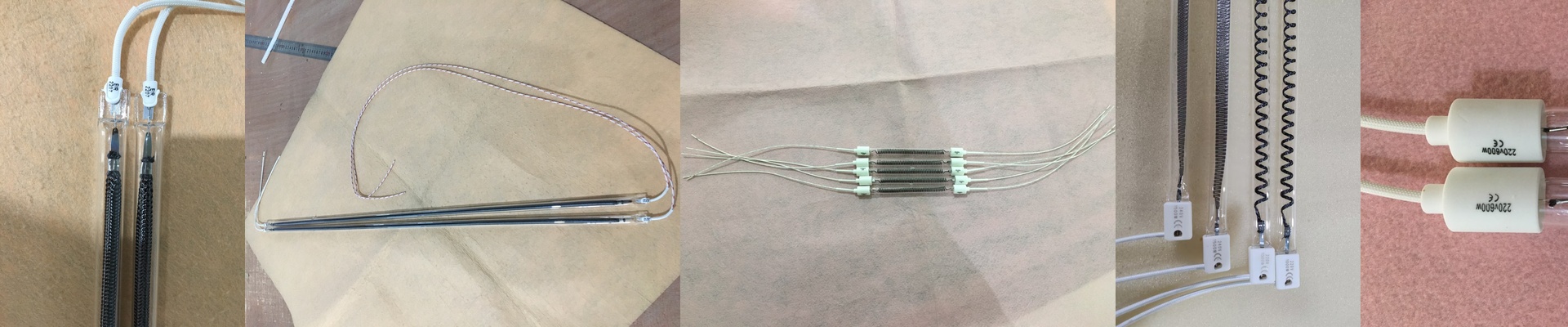
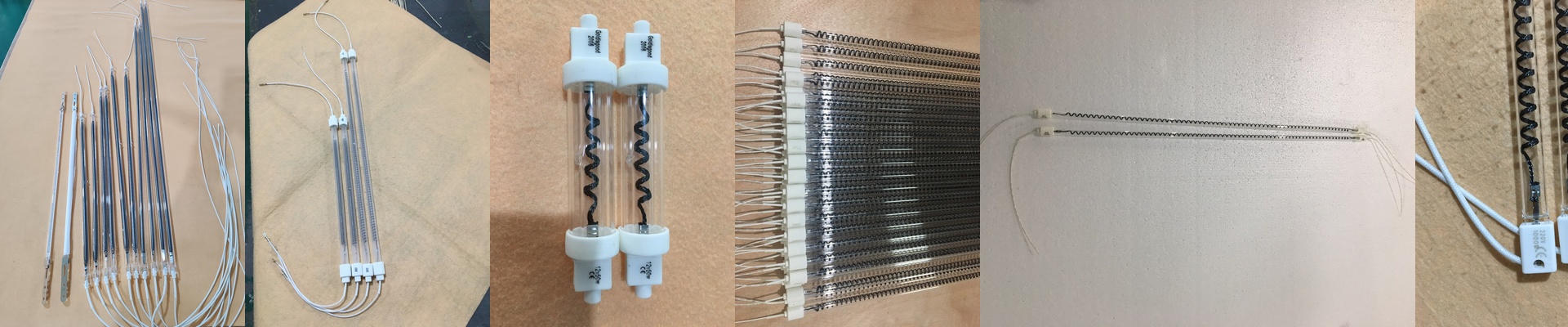
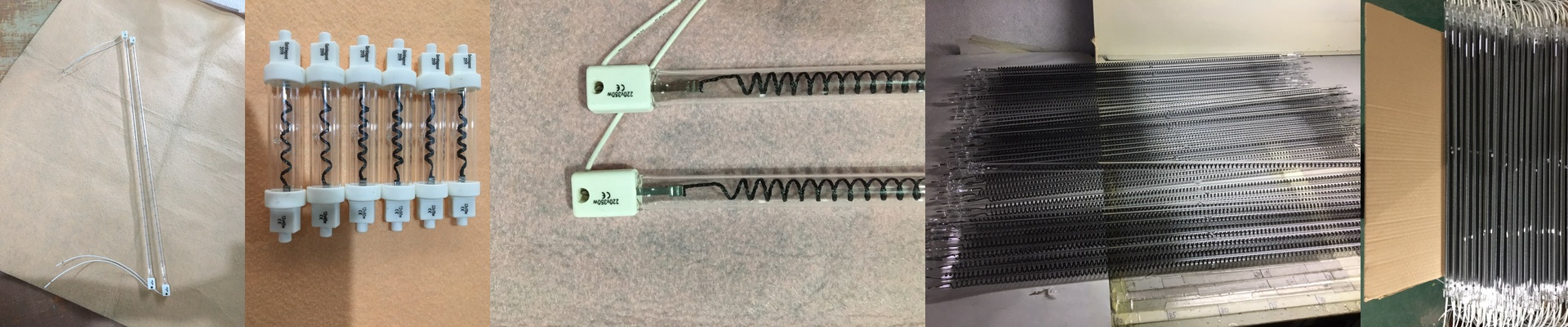
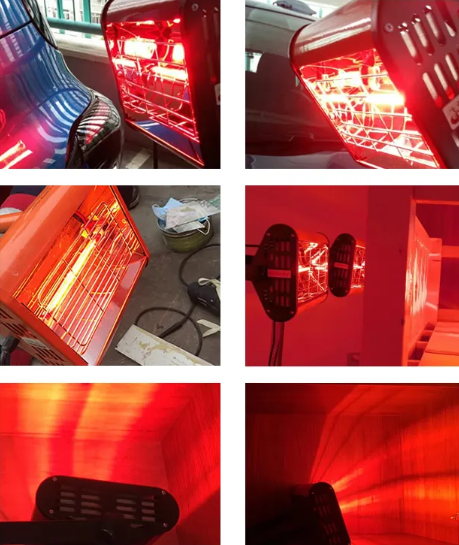
If you’re making brake linings, you know the drill. The thermal profile has to be spot on, or the friction material just won’t bond. Simple, right? Except it’s not. Most of you are running these lines 24/7. When you’re pushing that kind of volume, even a tiny dip or spike in wattage is a nightmare. One flicker and suddenly you’ve got an uneven cure and a pile of scrapped batches. It’s frustrating and expensive. The secret to steady power Here’s the thing about power fluctuations: it all comes down to the filament. Most off-the-shelf lamps are fine for a while, but after a few hundred hours, they start to drift. The wattage drops, the heat wavers, and you’re back to tweaking dials. We do things differently. We use high-grade quartz glass and a specific halogen gas fill to keep the filament from thinning out too fast. By matching the filament diameter exactly to the current load of your specific line, we keep that power curve flat. No drifts. No surprises. Built for the grind Brake lining ovens are brutal environments. They’re hot, they’re dirty, and they vibrate. We treat the quartz envelope so it doesn’t buckle under the pressure. And we don’t mess around with the connectors. We use heavy-duty R7s or SK15 plugs because they actually grip the lamp. That means no arcing when the machinery starts shaking. But a heads-up: these lamps pack a serious punch. Pushing that much wattage through a short tube creates intense, localized heat. Just make sure your ventilation and cooling are up to the task, otherwise, you might warp your lamp holders. Making it work in your shop The best part? These are just drop-in replacements. You don’t need to redesign your whole array. We’ve dialed in the focal point so the radiation hits the lining surface directly. Less wasted energy, more heat where it actually matters. Plus, because our filament winding is so consistent, you can wire multiple modules in parallel and get a totally uniform heat spread across the entire conveyor. You can finally stop babysitting the temperature controllers and actually trust that the heat is even from edge to edge.