Stop the Drift: Getting Your Brake Lining Curing Right
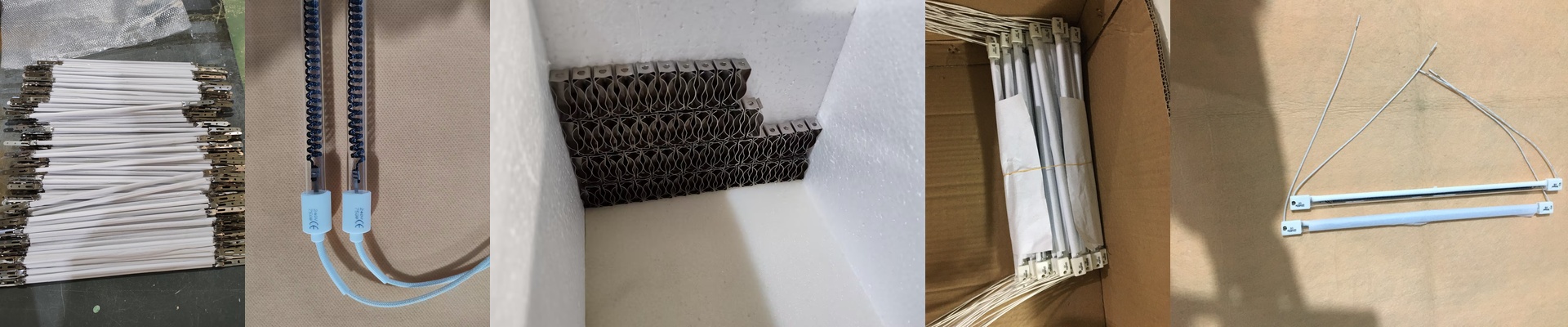
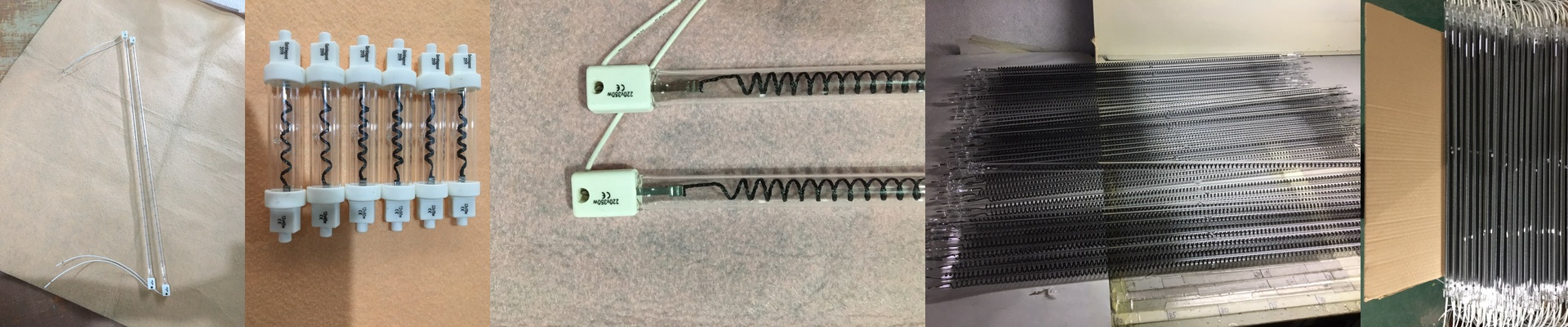
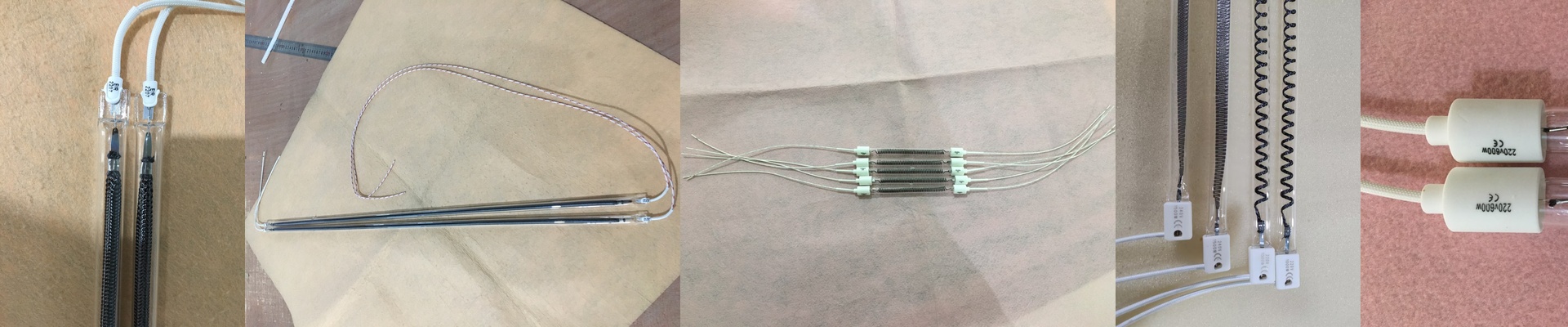
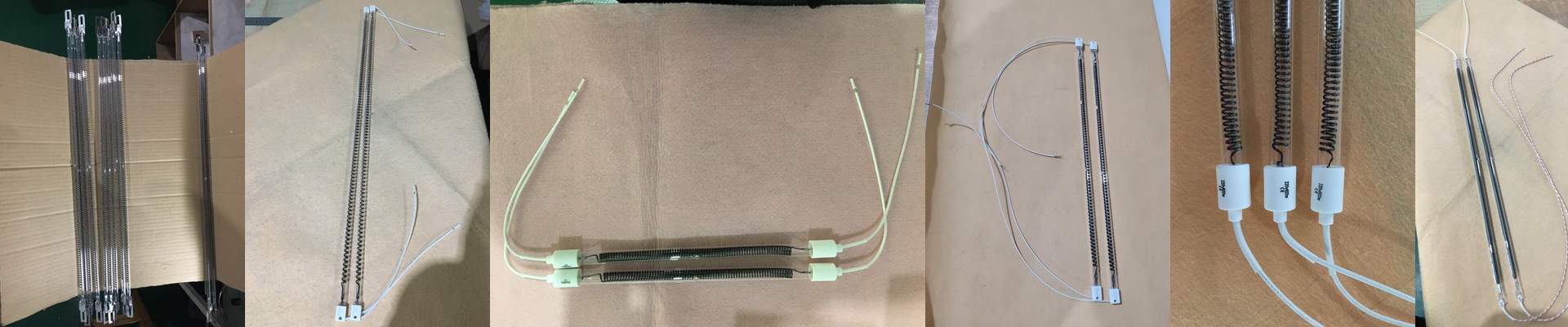
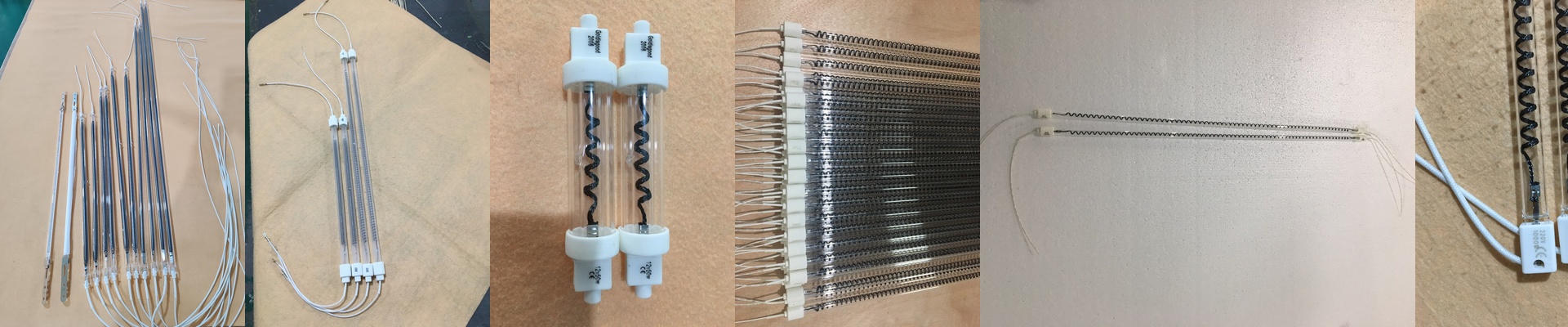
In brake lining production, temperature drift is a nightmare. If your infrared modules start acting up, you end up with uneven curing and a bin full of scrap parts. It’s frustrating and expensive. That’s why we build quartz heater modules designed for the grind. We’re talking 24-hour continuous duty cycles where the power doesn’t dip and the heat doesn’t wander. Keeping the heat steady Here’s the thing: most standard lamps just aren’t built for the constant load of a brake line. They burn out or drift because they can’t handle the pressure. We use high-purity quartz glass to keep the halogen cycle stable. This stops the tungsten from evaporating too fast, which means you get the same wattage from one end of the tube to the other. No cold spots. No surprises. Plus, we match the voltage to whatever your plant is already running—usually 230V or 400V. It keeps the current draw low and stops your wiring from overheating. Built for the factory floor These aren’t the kind of bulbs you buy at a hardware store. We use heavy-duty connectors because high heat loves to oxidize electrical contacts. When that happens, you get “power flicker,” and then the whole thing fails. We fixed that with reinforced leads and industrial seals that keep the halogen gas exactly where it belongs. We also often coat the tubes. This shifts the emission spectrum so the heat actually sinks into the composite material instead of just scorching the surface. Making it work in your shop You can drop these right into your existing lines. But a quick heads-up: high-density quartz heaters put a lot of stress on your reflectors. If your reflectors are dirty or pitted, you’re throwing away maybe 30% of your heat. It’s a waste. Keep them clean if you want that rock-solid stability. And don’t forget your cooling fans. Make sure they’re beefy enough to handle the heat around the housing, or you’ll risk frying your connectors prematurely.