Getting Your Brake Pad Curing Just Right
Here is the thing about brake pads: they don’t all handle heat the same way. If you try to use the exact same IR setup for ceramic pads as you do for semi-metallics, you’re asking for trouble. You’ll likely end up with scorched surfaces or, even worse, pads that aren’t cured all the way through. That’s why we don’t do “one size fits all.” We build our heaters to match how these specific materials actually soak up heat.
The Science (Without the Boring Part)
Ceramic and semi-metallic pads just have different personalities when it comes to heat. Ceramics are tricky. They need specific wavelengths to get the heat deep into the core without cracking the surface. Then you’ve got semi-metallics—full of steel and copper—which react totally differently to short-wave radiation. If you just throw a generic lamp at the problem, you get the “skin effect.” That’s when the outside looks perfect, but the center is basically raw. We fix that by tuning the filament temperature and the quartz envelope. It ensures the heat actually gets inside the material where it belongs.
Dialing in the Heat
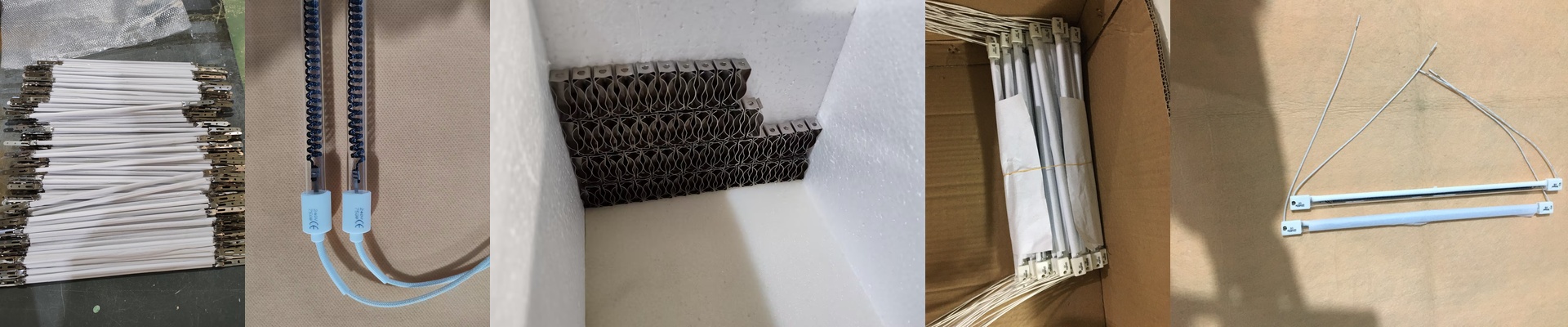
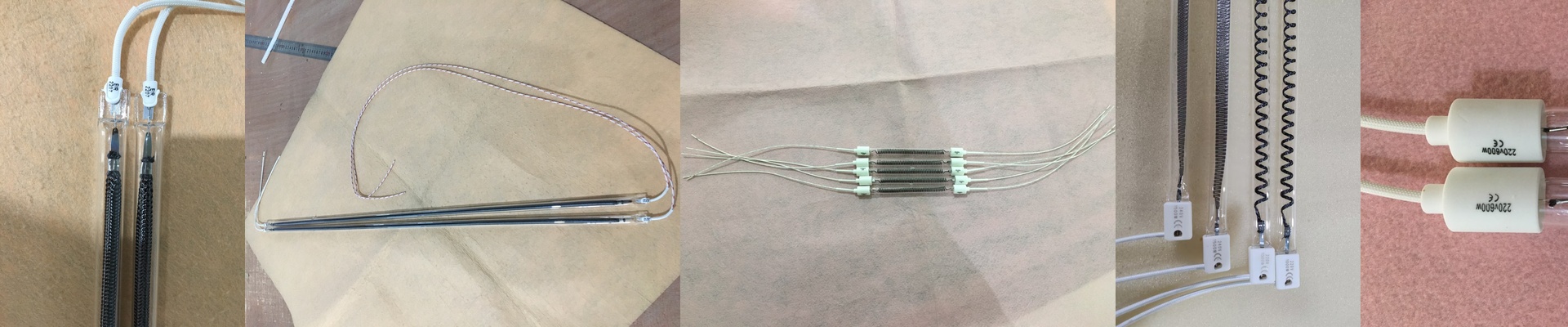
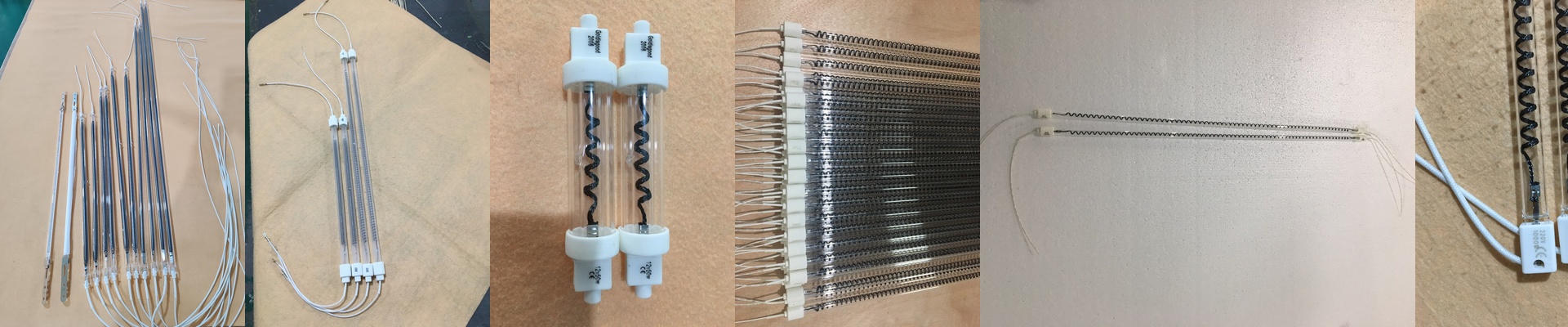
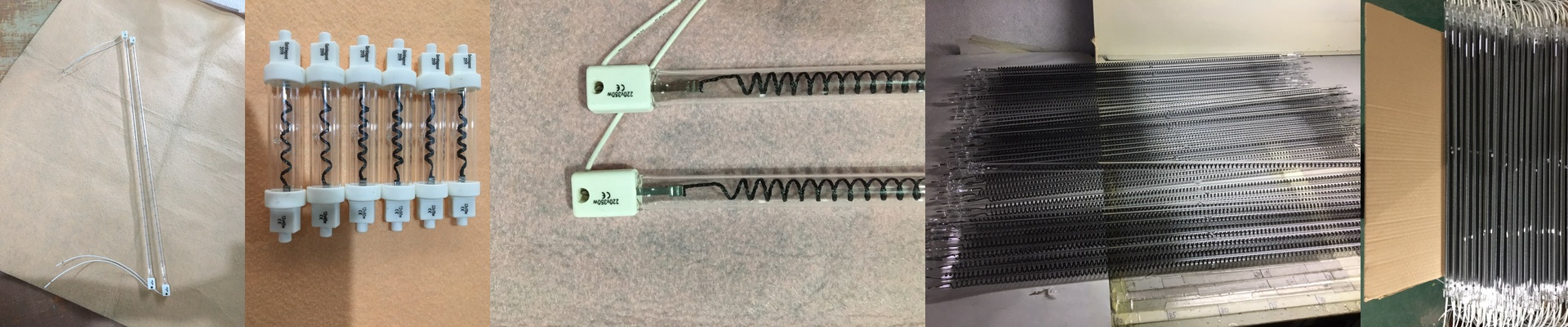
To get those temperatures to climb quickly, we use high-wattage density quartz tubes. They pack a punch. It’s the only way to keep your curing cycles fast. Depending on what you’re after, you can go with coated tubes for a softer, diffused spread, or uncoated if you need a concentrated beam of heat. But there is a catch. Pushing a ton of power through a short tube creates a lot of stress. It’s hard on your wiring and connectors. You’ll want to make sure your power supply and cooling fans are beefy enough to handle the heat buildup around the housing. Trust me, you don’t want to overheat your own gear.
Setting It Up
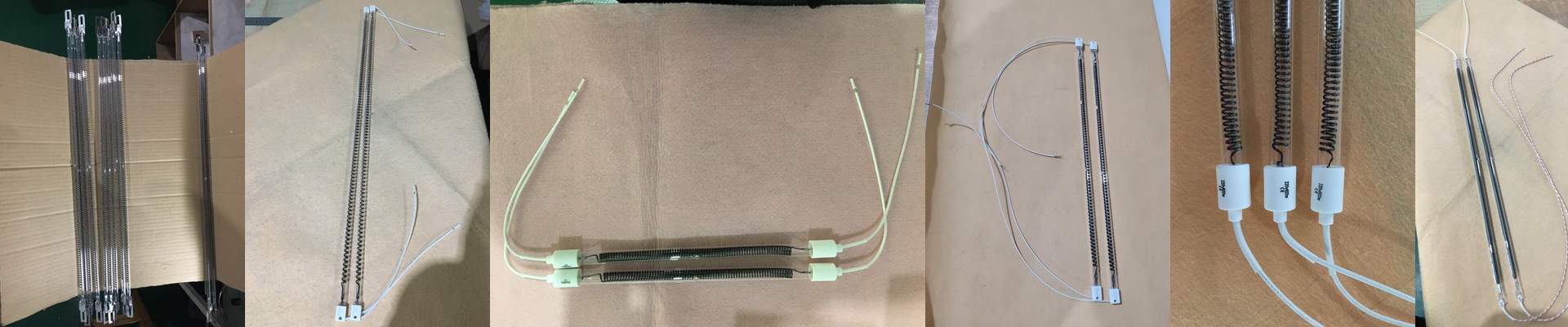
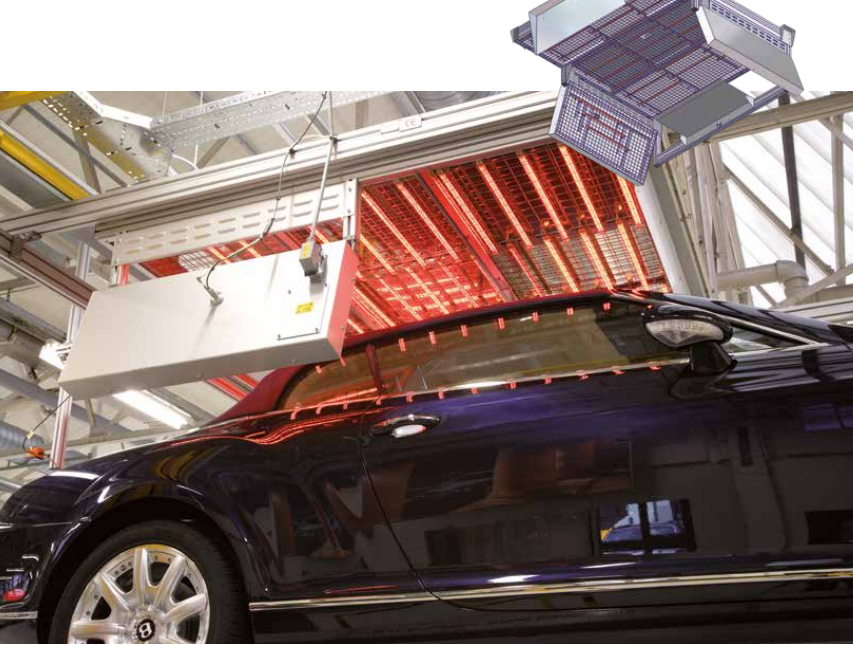
We keep the footprint standard. That means these should slide right into your existing line without a headache. Whether you’re using a batch oven or a conveyor that never stops, we’ll match the length and voltage to whatever you’ve already got on your grid. Hook it up to a PID controller to manage your temperature zones, and you’ll be able to keep things consistent, even when you’re switching between different product runs.