A Better Way to Cure Brake Linings
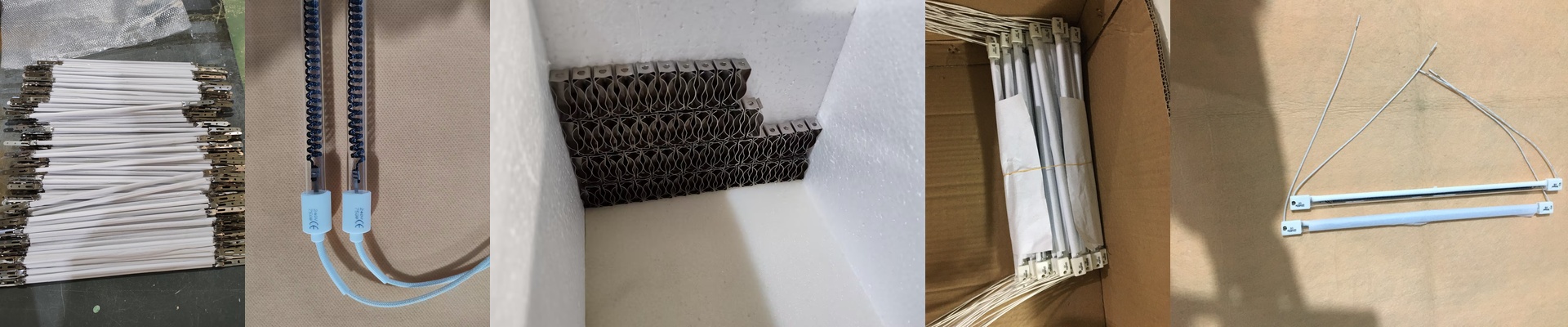
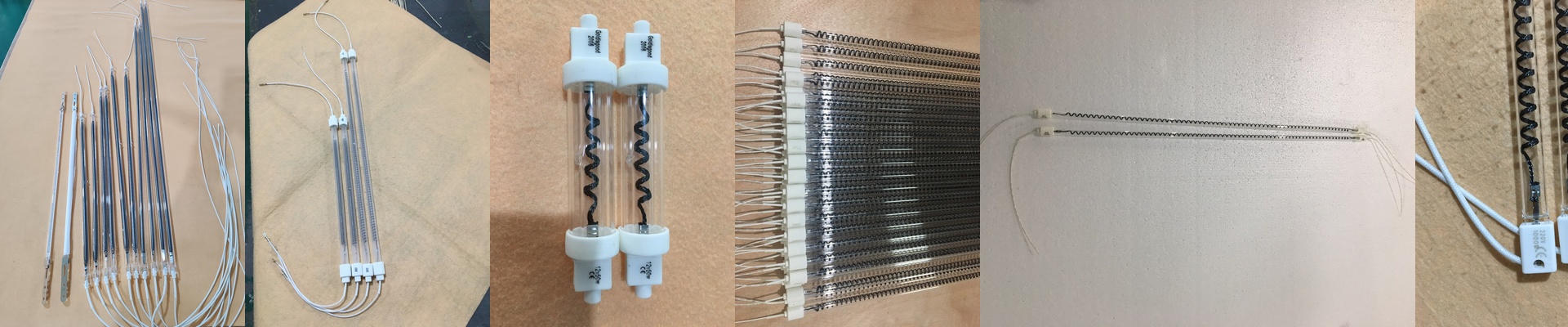
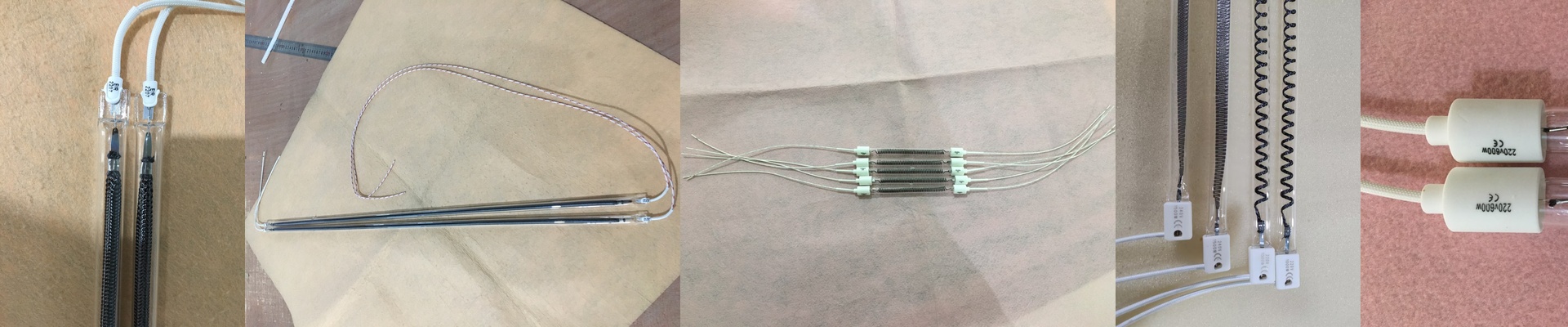
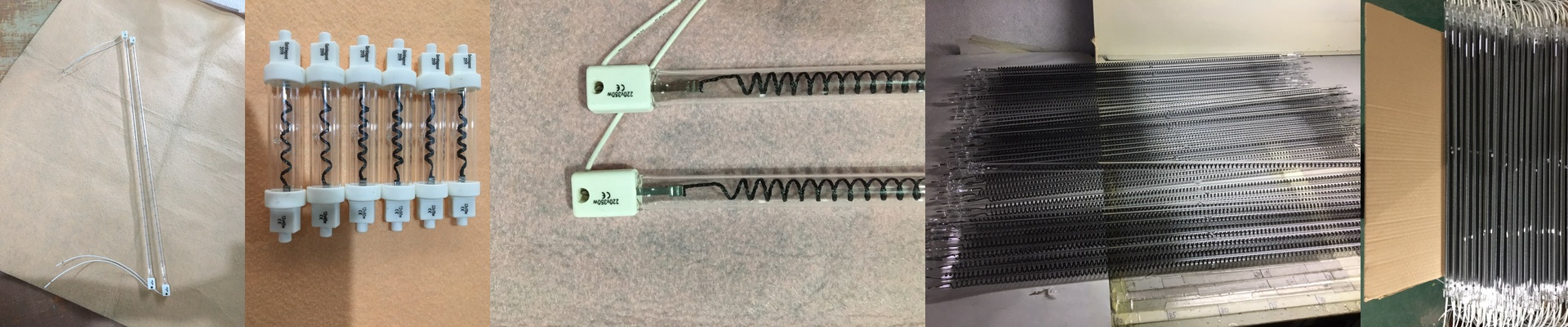
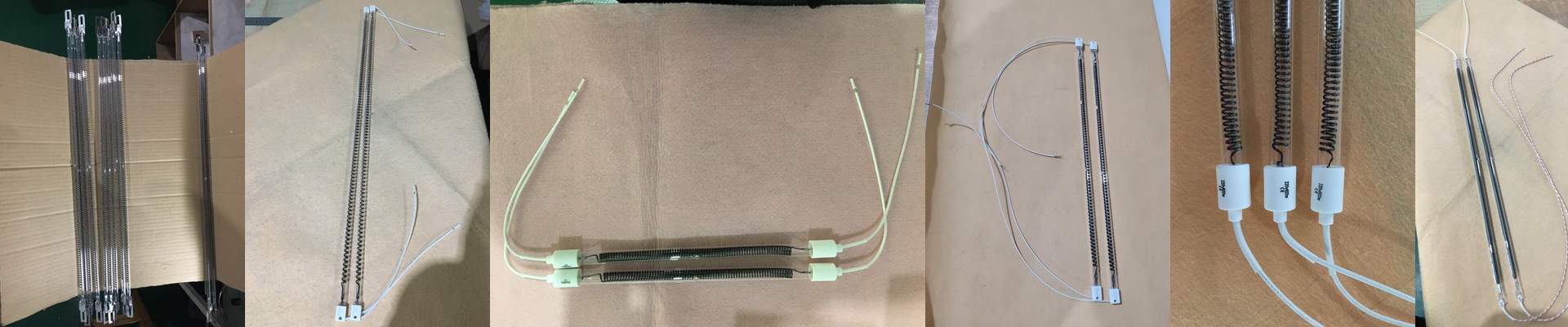
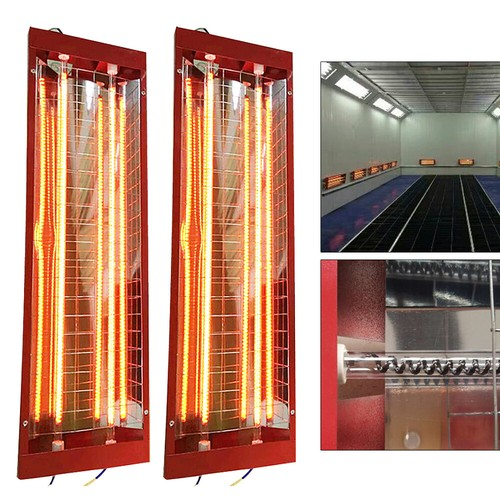
If you’ve ever used a standard convection oven for brake lining coatings, you know the headache. The heat just sits on the surface. It looks done on the outside, but the core is still raw. It’s frustrating, and it’s a recipe for failure. We found a way around this by using shortwave infrared (SWIR) lamps. Instead of heating the air, these lamps push energy deep into the friction material. It cures the coating from the inside out. It just works better.
Getting the heat where it matters
Here’s the thing about tunnel length: if you want to shorten your line, you need a lot of power packed into every inch. We spec these lamps to hit the workpiece the second it enters. No waiting for the air to warm up. Because of that, you can take a 20-meter tunnel and shrink it down to 10 meters. You save a ton of floor space without sacrificing the quality of the cure. We use quartz envelopes because the heat is intense—standard glass wouldn’t stand a chance. But you have to be careful with the reflectors. If they’re off by even a few degrees, you’ll end up with cold spots. And in this business, an uneven cure is a wasted part.
Setting it up
We use specialized connectors so the lamps don’t fry at the terminals. The best part? They’re basically drop-in replacements for most industrial racks. We chose the shortwave spectrum specifically because brake lining resins just react faster to it. One heads-up, though: keep an eye on your power. A high-wattage array speeds everything up, but it’ll put a serious load on your electrical panel. Check your amperage before you start wiring up a full bank of tubes.
What this means for your floor
Switching to IR clears up a lot of room in the shop. Your cycle times drop, and you stop throwing away under-cured parts. Just remember that SWIR lamps run hot. Really hot. You’ll need decent ventilation or some solid heat shielding so the outside of the oven doesn’t become a hazard. It’s a small trade-off for the sheer speed you get in return.