Stop the Squeal: Why Short-Wave IR is the Secret to Quiet Brakes
Nobody likes a noisy brake pad. That high-pitched squeal usually happens because the friction material didn’t cure evenly. Think of it like baking a cake where the outside burns but the middle stays raw. When the surface hardens too fast, the core stays soft. This creates internal stress and “hot spots.” When you hit the brakes, those inconsistencies turn into vibrations. And vibrations? That’s where the noise comes from.
Getting the Heat Where it Matters
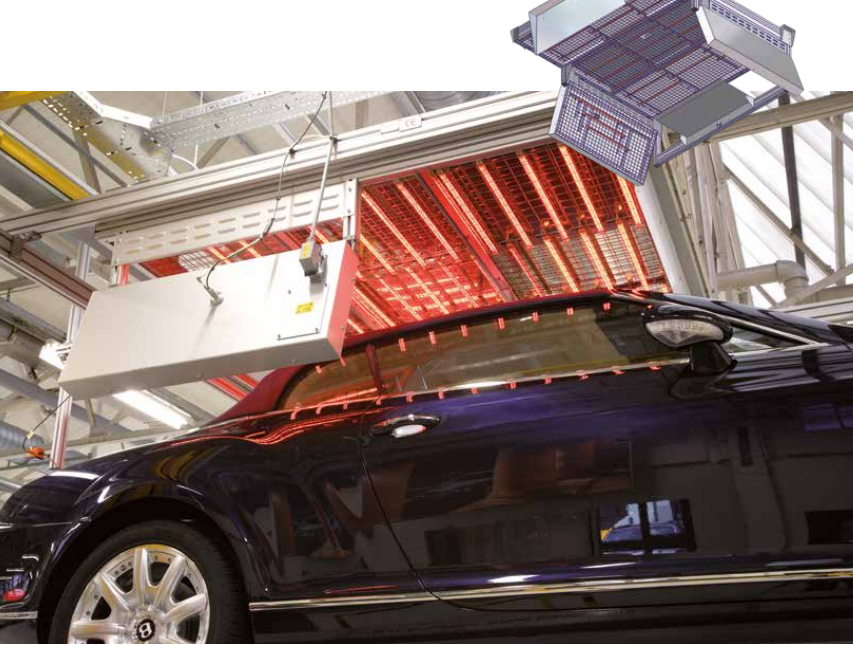
To fix this, we use short-wave infrared (SWIR). Most people think of convection ovens—heating the air and hoping it soaks in. But SWIR is different. It doesn’t waste time heating the air; it hits the material directly. Because the wavelength is so short, it actually punches through the surface and reaches the core. The result? The middle and the skin reach the right temperature at the same time. Everything cures together.
The Gear Behind the Heat
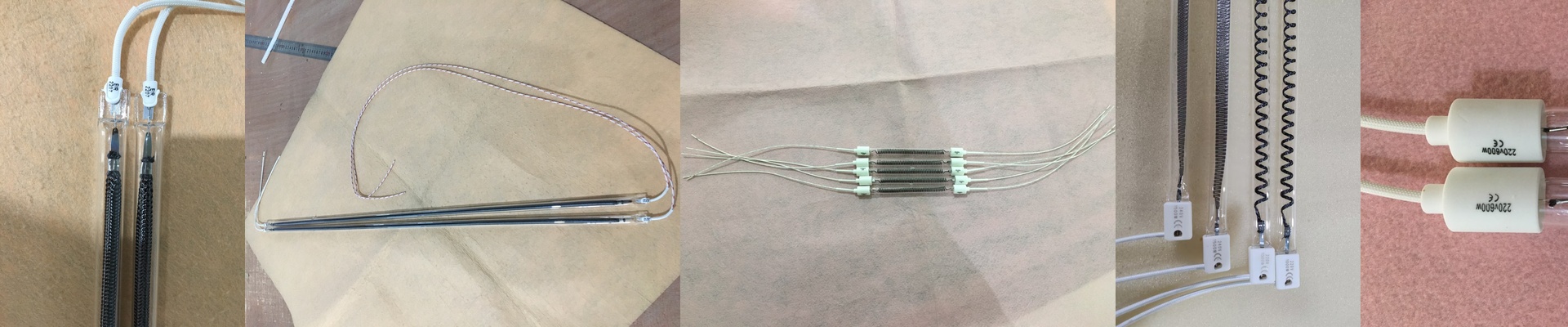
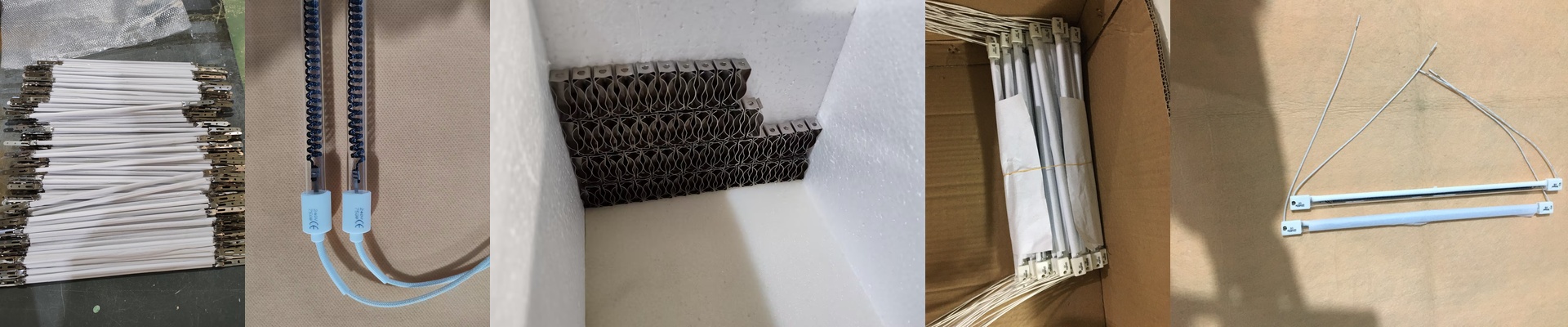
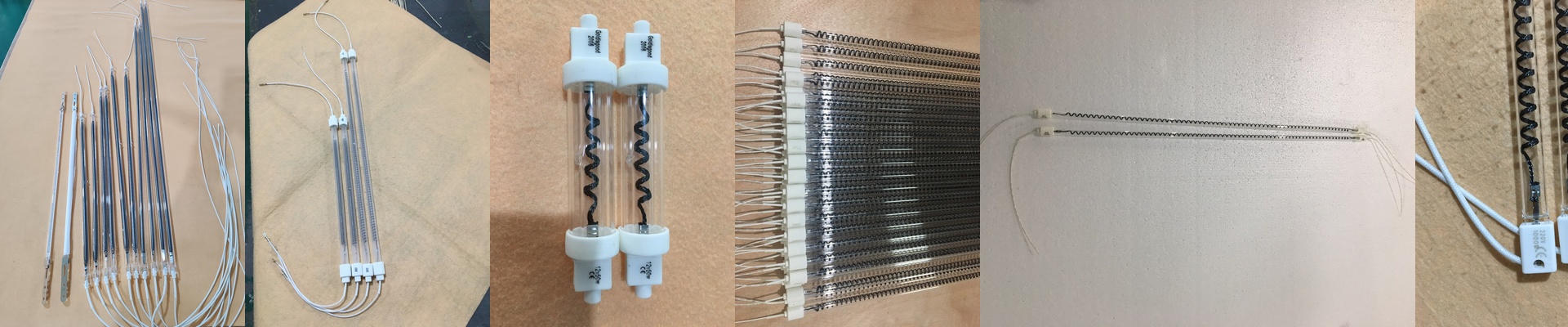
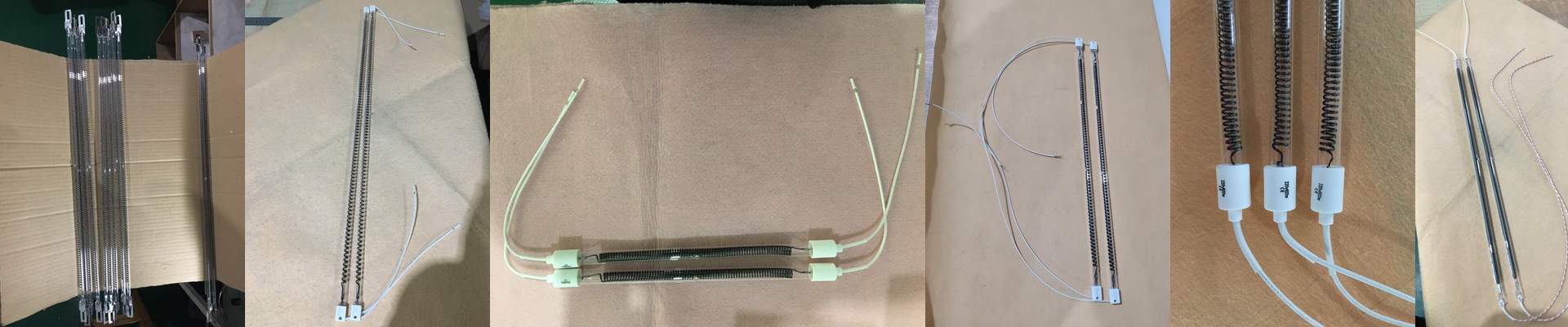
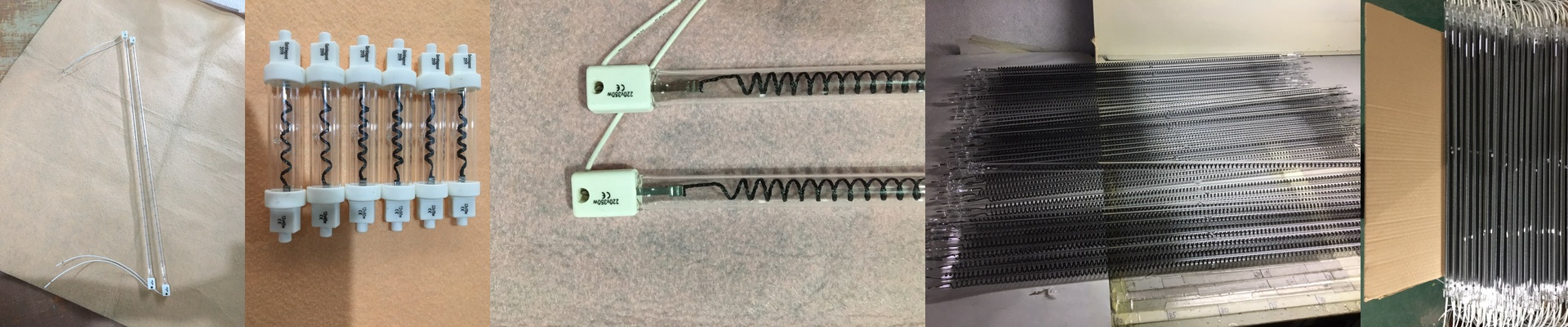
To make this work, we use high-wattage halogen quartz lamps. We need a lot of energy density to make sure the resin locks together through the entire thickness of the pad. Medium or long-wave IR just won’t cut it here. Those waves tend to bounce off or stop at the surface, leaving you right back where you started. We wrap these lamps in quartz so they don’t melt under the intense heat. Plus, we wire them into zoned controls. This is a huge help because it lets you tweak the heat across the conveyor to account for the metal backing plate, which holds heat differently than the friction material.
The Reality Check
Now, this isn’t a “set it and forget it” system. High energy means high heat. If your cooling blowers aren’t up to the task, you’re going to warp your housing or fry your reflectors. It’s a delicate balance. You have to keep a close eye on your belt speed, too. Go too fast, and you’ve got a soft core. Go too slow, and you’ll scorch the surface. Here is the trick we use: a staged ramp-up. Hit it with a high-intensity burst first to get that deep penetration, then taper the heat off to let the material stabilize. It ensures the pad is cured all the way through. That’s how you kill the noise at the source.