Getting Your IR Settings Right for Different Brake Pads
If you’ve ever worked a brake pad line, you know the curing cycle is where things either click or fall apart. You need that friction material to bond perfectly to the backing plate. But here’s the rub: ceramic and semi-metallic compounds don’t play by the same rules when it comes to heat. If you try to run both on the same IR setup, you’re asking for trouble. You’ll either end up with ceramic pads that aren’t cured through, or semi-metallics that are basically scorched.
The Heat Struggle
It mostly comes down to how the materials “see” the light. Ceramic pads tend to bounce infrared energy right back. Semi-metallics, though—with all those steel and copper fibers—soak it up like a sponge. To fix this, we play around with the wavelengths. Shortwave IR is great for getting deep into the material. Medium-wave is more of a surface-level tool, which is exactly what you need for certain resins. And please, don’t just crank up the wattage to make up for poor absorption. That’s a recipe for disaster. You’ll char the surface while the core stays ice cold.
Picking Your Heater
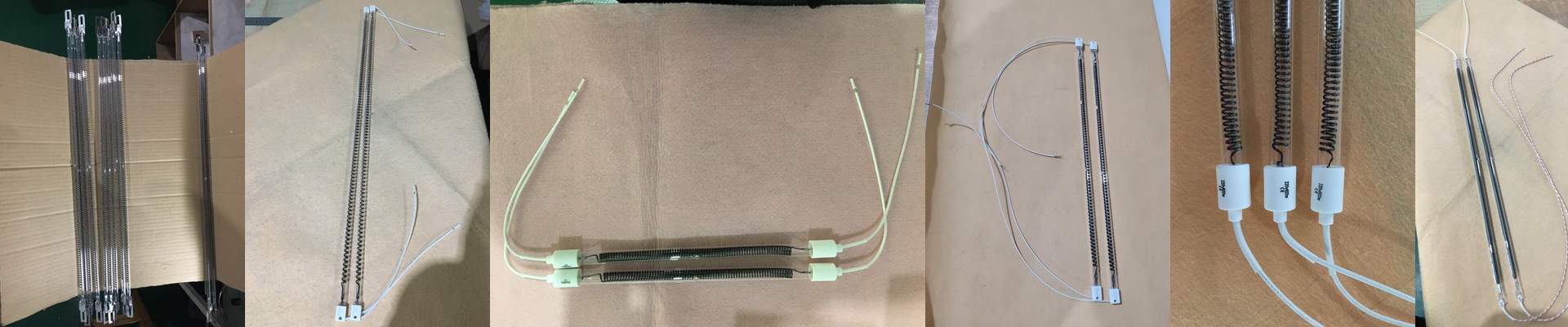
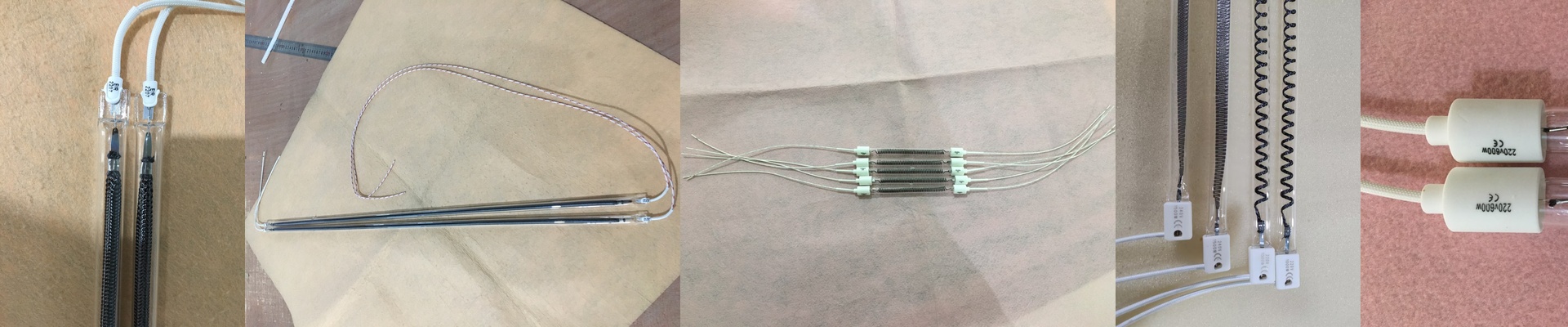
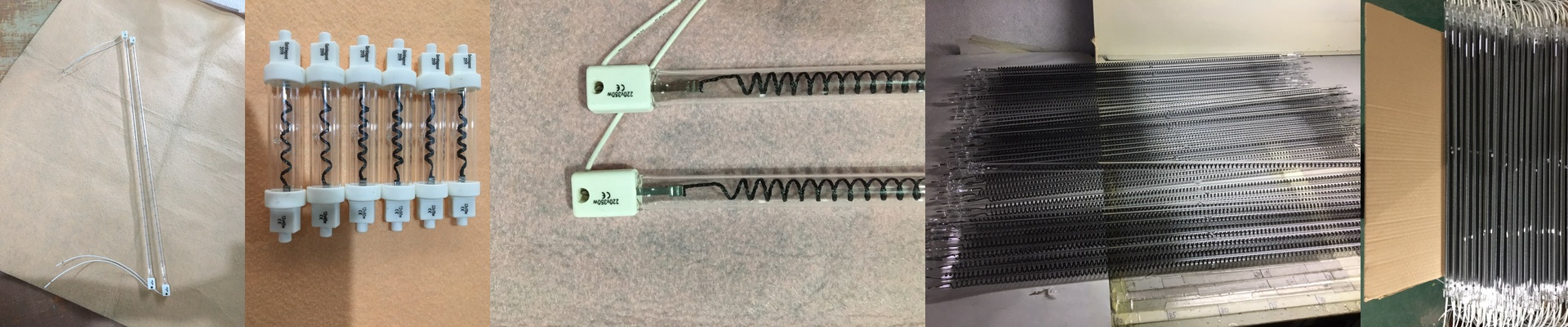
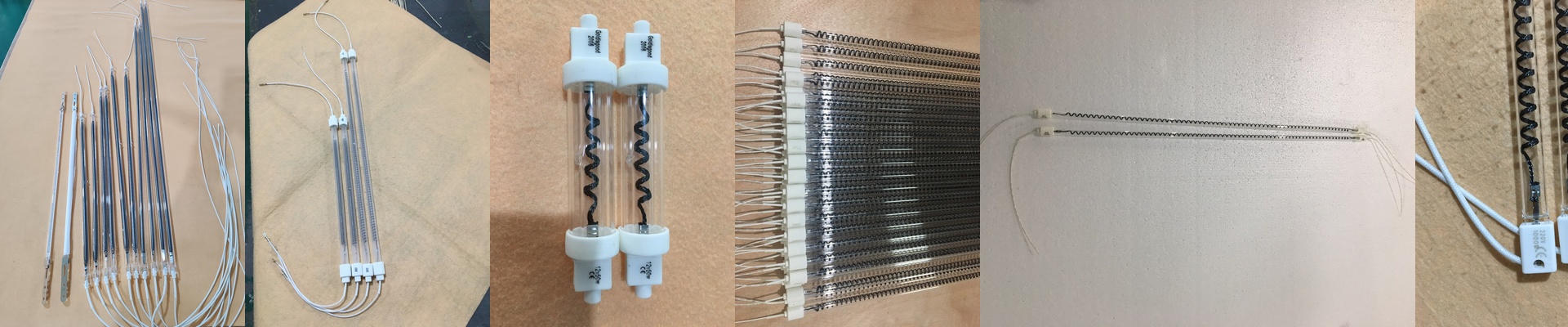
Your choice depends on how much room you have on the floor and how much heat you actually need. We usually go with quartz-halogen tubes. Why? Because they hit temperature in seconds. No waiting around. When we’re mapping out a system, we look closely at the emission spectrum. If you’re running a lot of ceramic, we’ll suggest coated quartz tubes. These shift the wavelength to something the material actually wants to absorb. It saves energy and keeps your lamps from burning out because they aren’t fighting reflected heat.
The Stuff That Actually Matters on the Floor
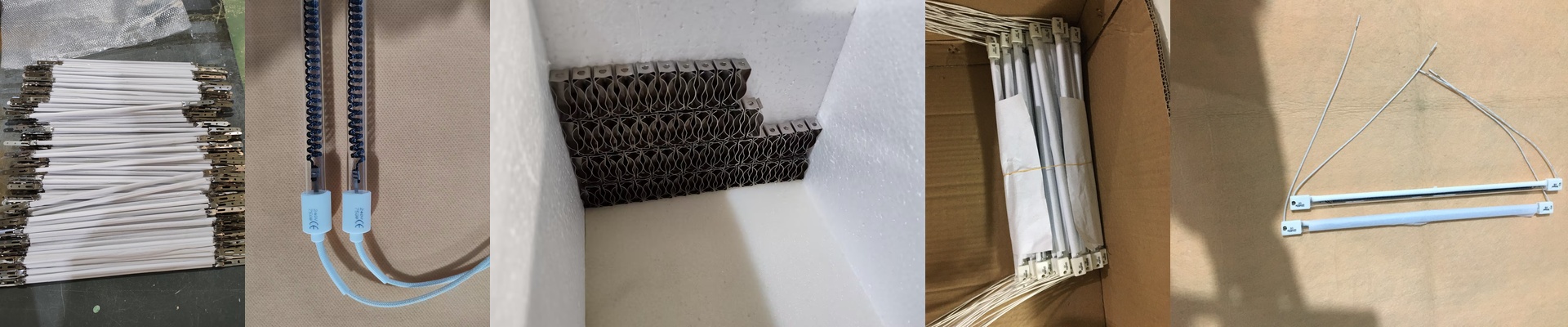
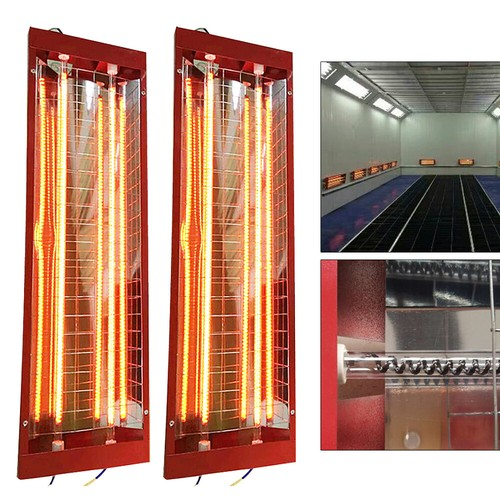
High-density IR arrays put out a massive amount of heat. If you cram high-wattage tubes into a tight box without the right cooling fans, your reflectors are going to warp. It’s that simple. Bad ventilation kills lamps way faster than the manual says they should. One more tip: zone your heaters. It lets you tweak the intensity across the conveyor belt. That way, you can compensate for those annoying temperature drops at the edges of the line and keep everything consistent.