Getting Your IR Heaters Right for Brake Pad Bonding
If you’re bonding brake pads, you know the struggle. You need the heat to hit just right. If the wavelength is off, you’re looking at a nightmare: either the surface is scorched or the cure is uneven. The real headache? Ceramic and semi-metallic materials just don’t play by the same rules.
The Material Struggle
Here’s the thing: a ceramic pad doesn’t “feel” heat the way a semi-metallic one does. Semi-metallics move heat around faster and reflect it differently. If you try to use one generic short-wave lamp for both, you’re asking for trouble. You’ll probably end up under-curing your ceramic glue or absolutely cooking the metallic parts. We handle this by tweaking the emitter wavelength to match what the material actually wants to absorb. For those ceramic pads, we shift the spectrum. It’s the only way to make sure the heat actually sinks deep into the material instead of just dancing on the surface.
Setting Up the Hardware
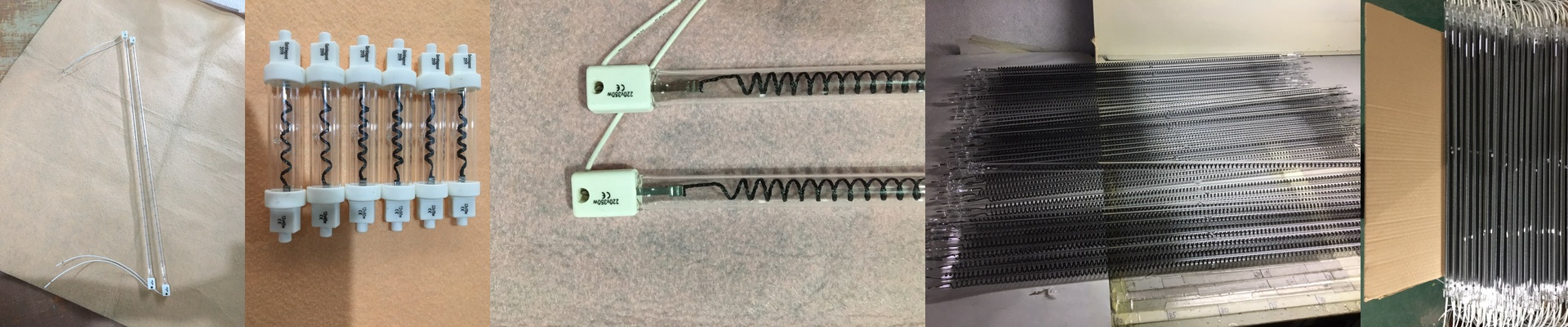
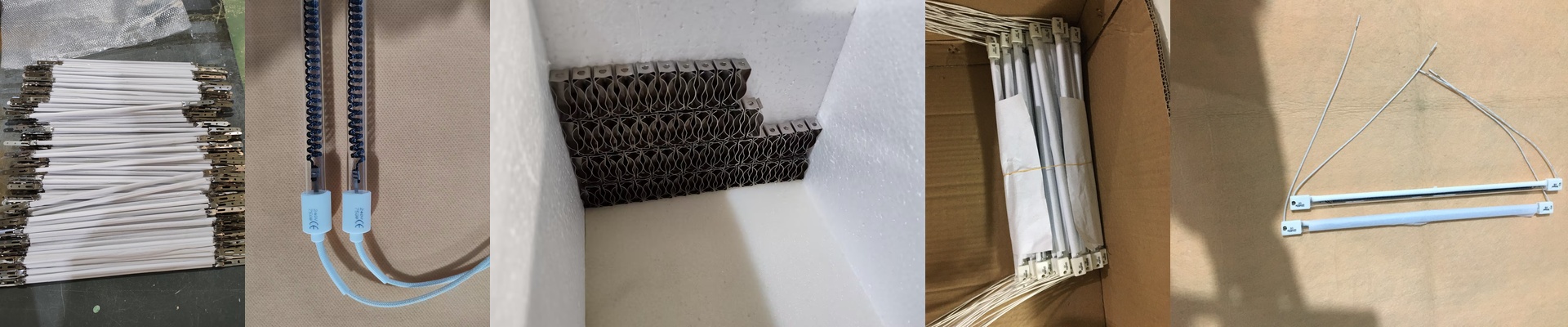
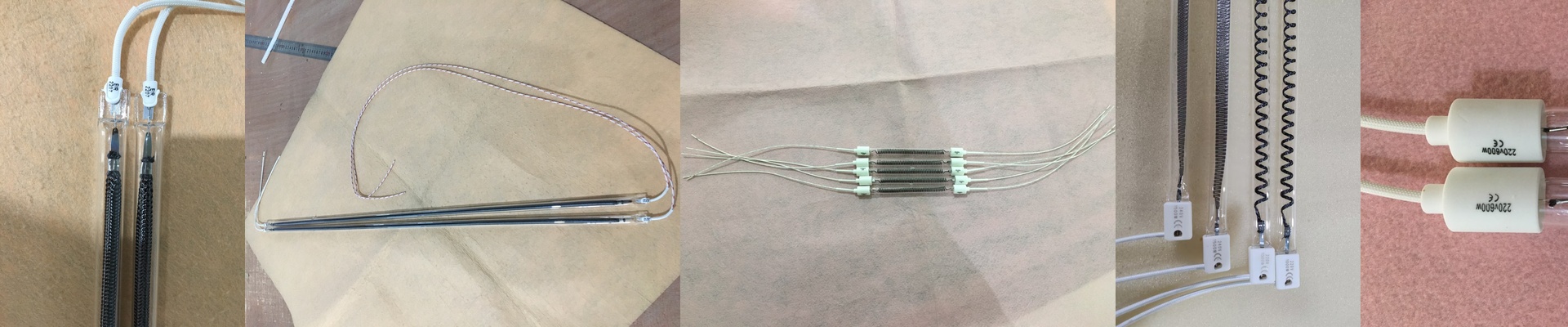
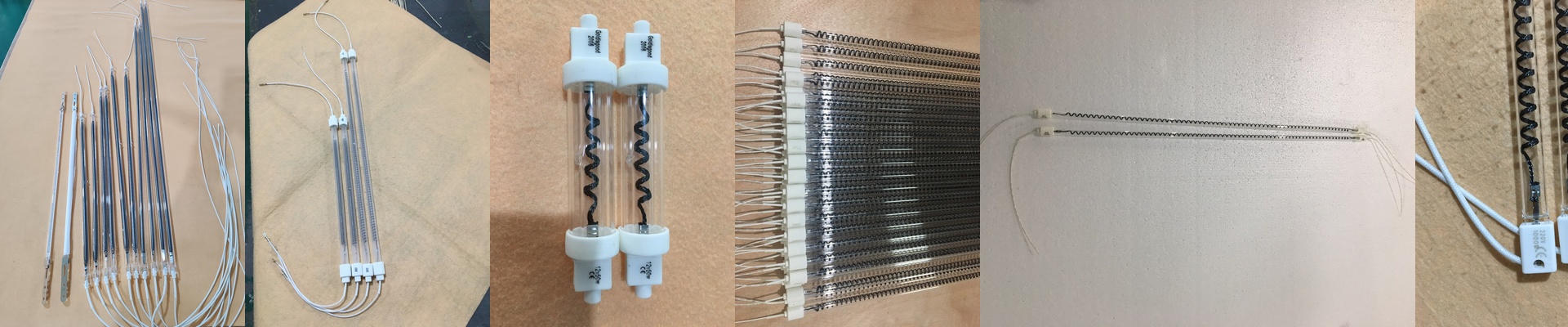
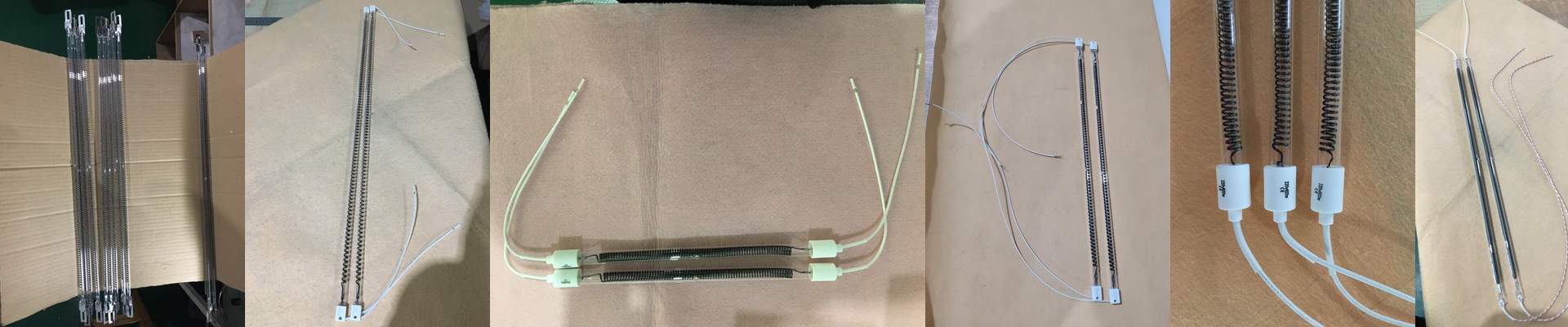
We lean on quartz-halogen tech here because it packs a serious punch. But you can’t just crank it up and hope for the best. If you do, your lamps will burn out way too fast. We focus on the voltage-to-wattage ratio. By bumping up the voltage, we can keep the heat flow steady without blowing a circuit. And please, check your measurements. Your lamp length has to match your conveyor footprint exactly. Even a tiny gap creates a cold spot, and a cold spot means a failed bond. Oh, and use reinforced connectors. Production lines vibrate like crazy, and standard plugs just won’t hold up.
The Trade-offs
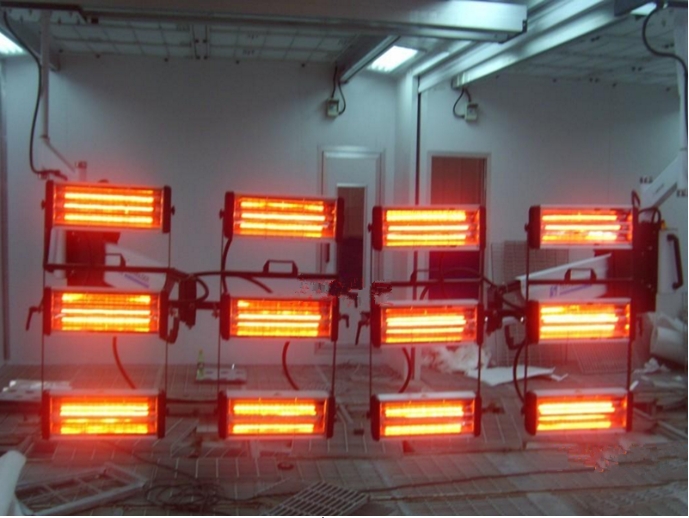
Fast cure times are great. Everyone wants the line to move quicker. But high-intensity IR heaters put out a massive amount of ambient heat. If you push for max wattage to shave a few seconds off your cycle, your cooling fans have to work overtime. If you don’t have the airflow to handle that overhead heat, your control cabinet electronics are going to fry. It’s a balancing act. Speed is great, but not if it kills your gear.