Keeping Your Brake Pad Curing Steady
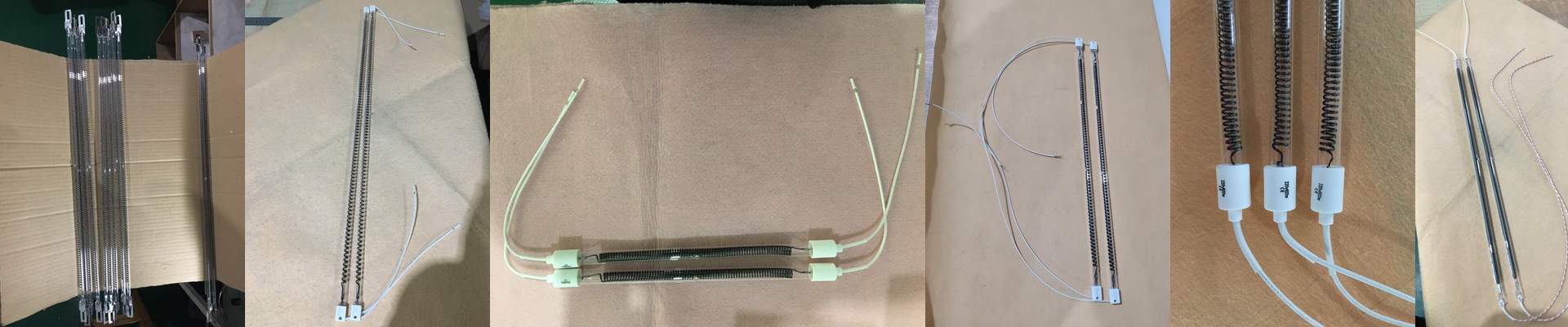
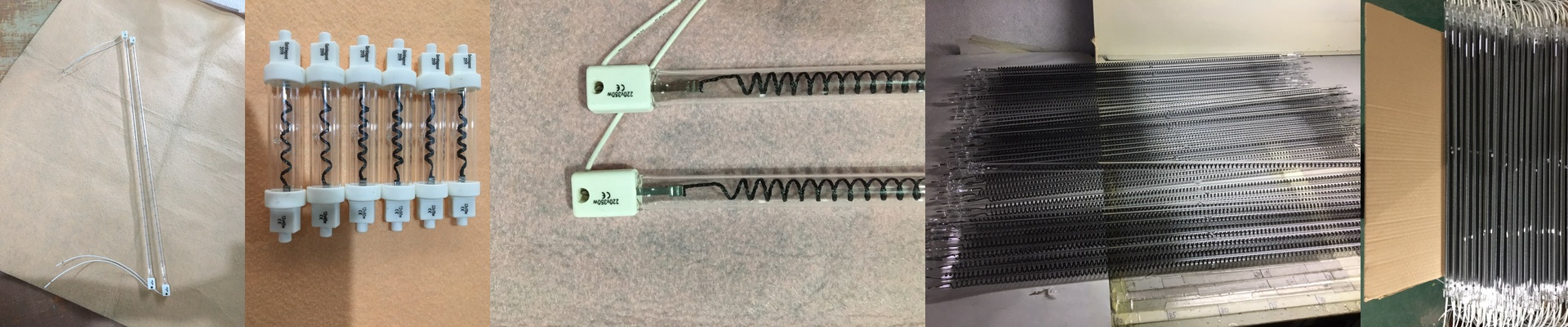
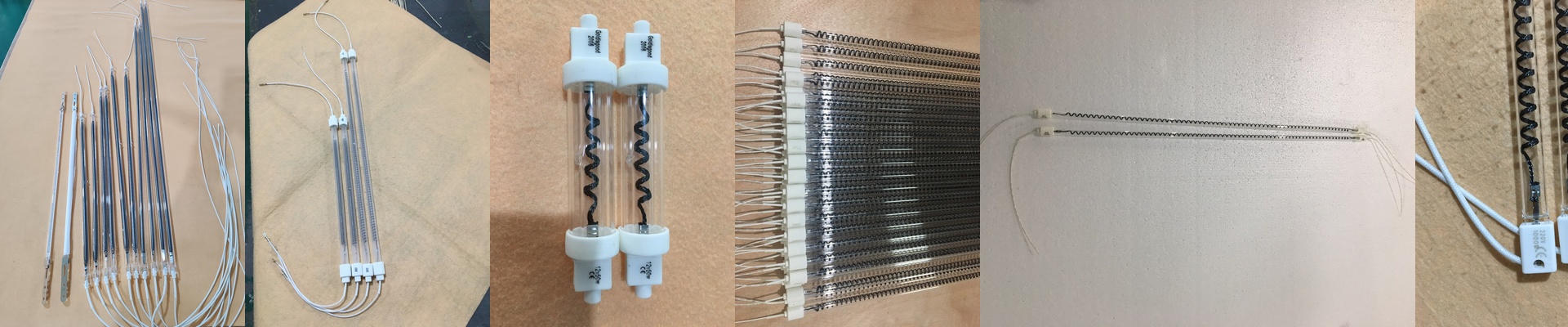
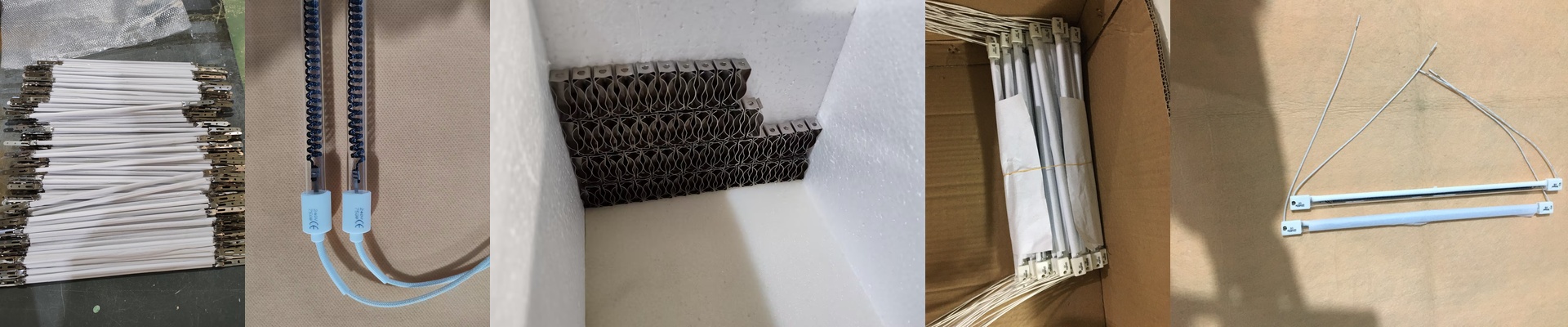
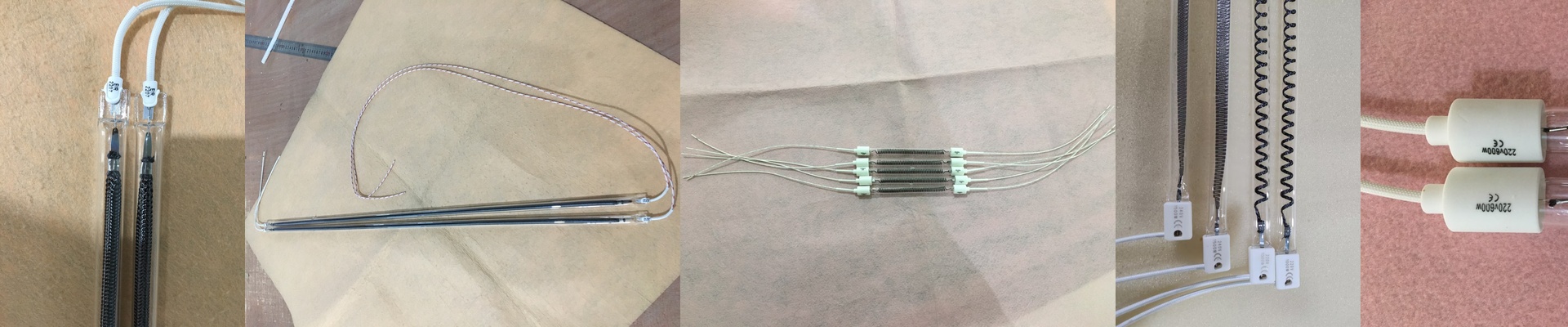
In a brake pad production line, temperature swings are the enemy. If your infrared (IR) output dips even a little while you’re curing coatings, you end up with soft spots or uneven polymerization. It’s a nightmare for quality control. To keep a line humming 24/7 without the usual power hiccups, you have to get the balance right between the lamp’s wattage and the electrical control loop. The Voltage Struggle Here’s the thing about power density: these IR modules are built for a grind. But if your input voltage drifts, your heat drifts. It’s that simple. We use high-grade quartz envelopes to keep the filament perfectly centered. Why? Because if it shifts, you get hot spots on the glass, and that’s how you get a premature burnout. You’ve got to match your power supply to the lamp’s rated voltage exactly. If you under-volt, your cure time drags on. Over-volt it, and you’re essentially killing your tubes. Built for the Noise These lamps have to fit in tight spaces, but they also have to survive a vibrating conveyor belt. We use reinforced connectors so the wiring doesn’t just shake loose while you’re running. Plus, the quartz is tuned for short-wave emission. Instead of wasting energy heating up the air or the oven walls, the heat hits the coating surface directly. It’s much more efficient. The Catch: Heat vs. Lifespan High-density IR lamps are great for fast ramp-up times. They keep the line moving. But that kind of intensity puts a massive strain on your cooling. If your exhaust fans aren’t strong enough to pull the heat away from the lamp sockets, your connectors will start to degrade. You get the power you want, but you’ve got to manage the waste heat or the system will just trip. Getting the airflow right is the only real way to make sure these lamps actually last as long as they’re supposed to.