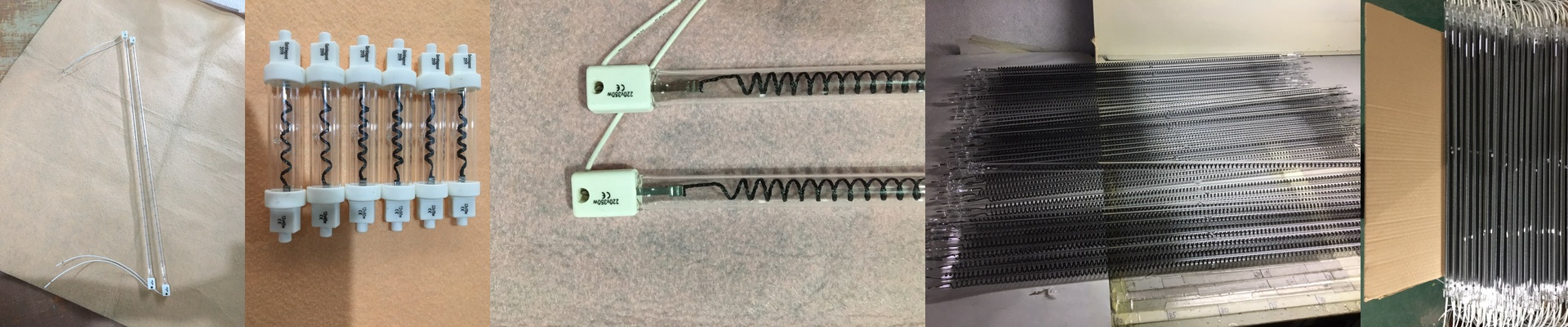
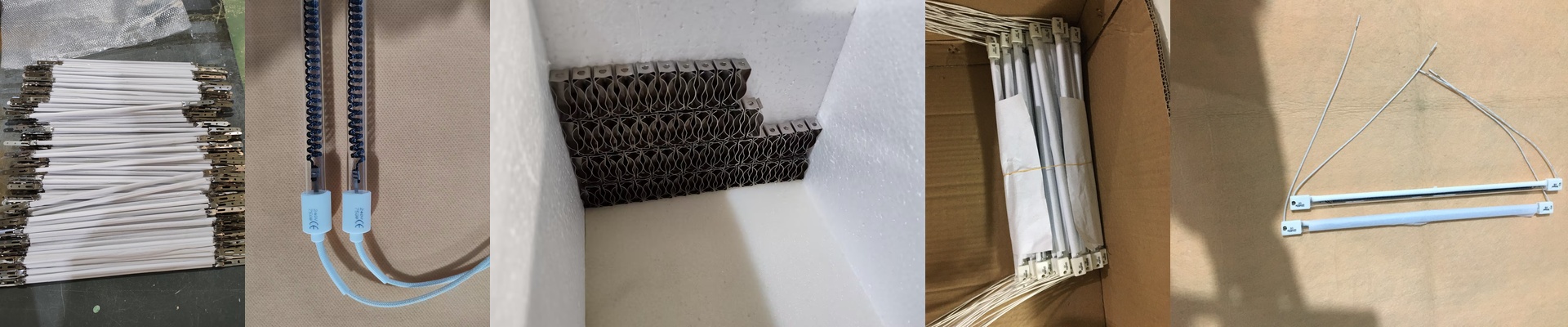
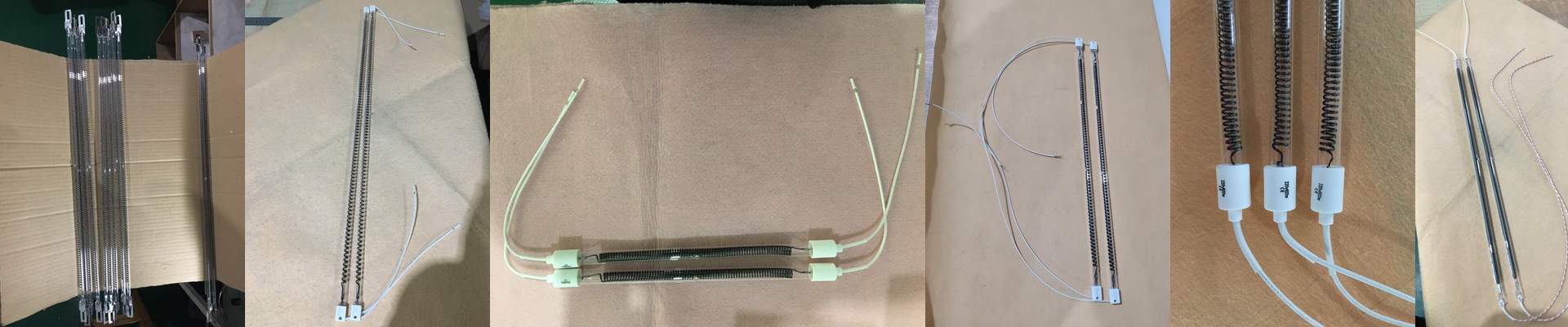
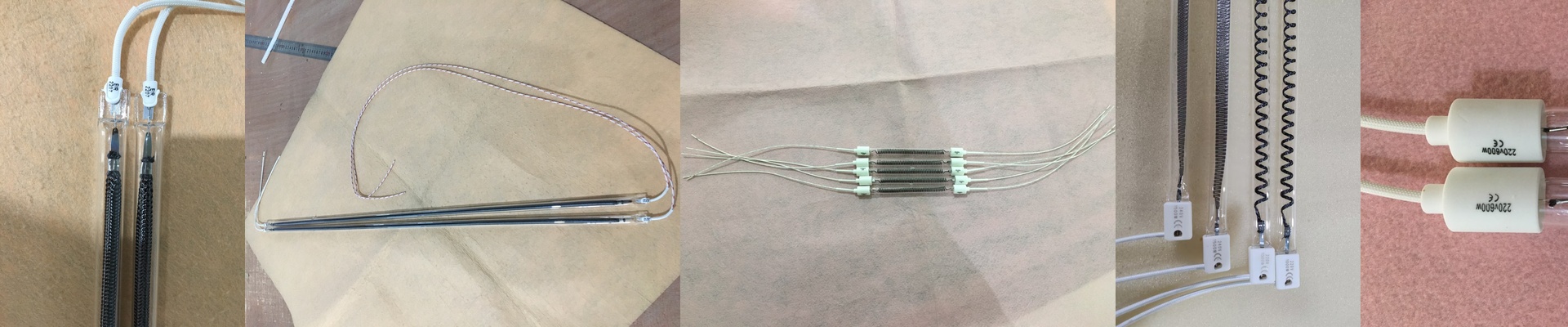
Let’s Talk About Twin Tube Carbon Fiber IR Heaters
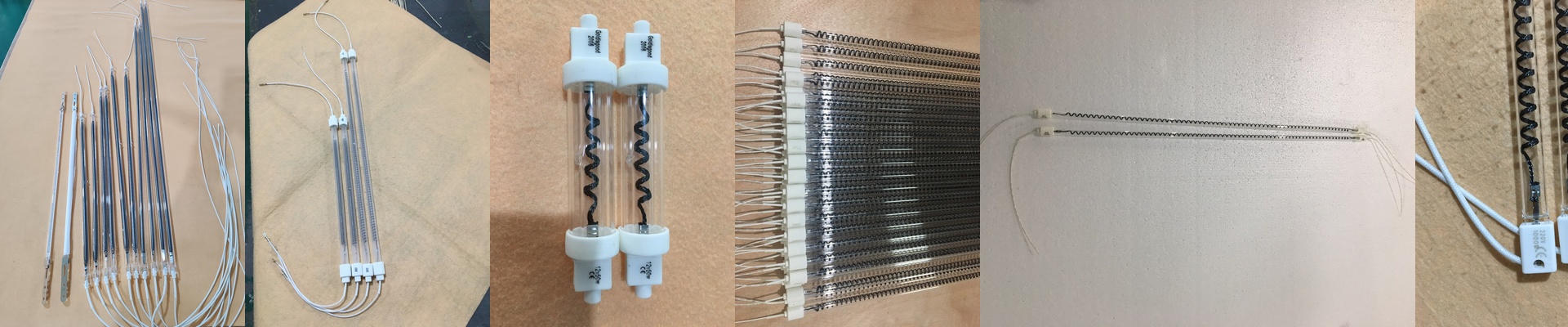
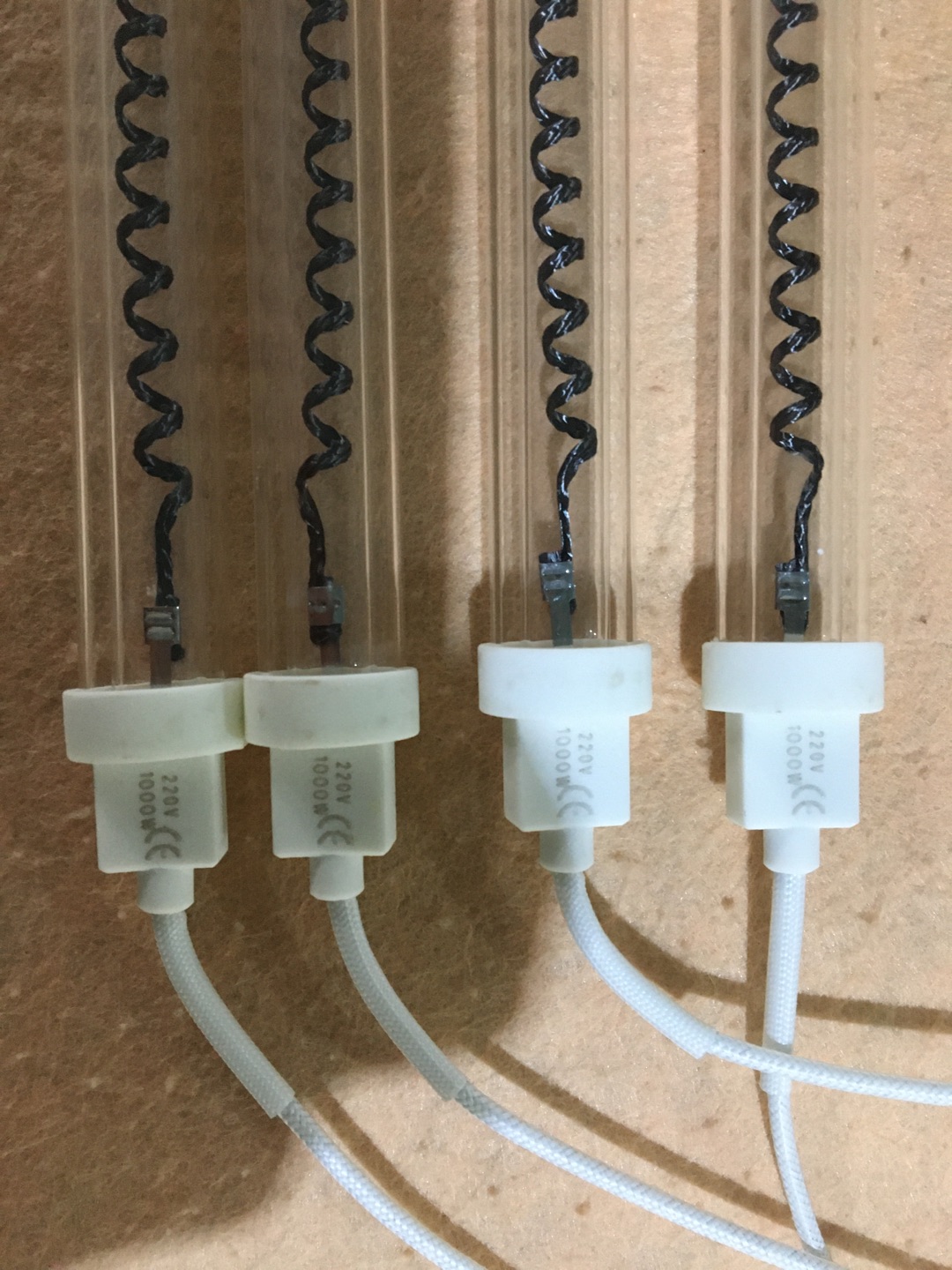
Ever tried to push a single heating filament to its absolute limit? It usually ends in a burnout. That’s why we went with the twin-tube design. We basically put two parallel carbon fiber filaments inside one quartz envelope. It’s a simple fix for a big problem. By splitting the load, you get way more heat density without blowing the lamp, and the heat spreads across your target surface much more evenly. No more guessing if the middle is as hot as the edges. The nitty-gritty on heat and power Here is the cool part: carbon fiber has lower internal resistance than those old-school metal alloys. What does that actually mean for you?Speed. You aren’t sitting around waiting for the machine to warm up. You hit operating temperatures in seconds. It’s almost instant. Because we have two tubes instead of one, there’s more surface area to work with. You can pump in a ton of wattage into a small space without melting the materials. But a quick heads-up—this puts a lot of pressure on your reflectors. If they’re pitted or looking rusty, you’re basically throwing away a huge chunk of your IR energy. Keep them clean. What they’re made of (and how to plug them in) We use carbon fiber because it doesn’t freak out when things get hot. It handles thermal expansion way better than tungsten does. We wrap that in specific quartz glass that lets the medium-to-long wave heat pass right through. Most of these use R7s or Sk15 connectors, so they should slide right into most industrial ovens. One tip from experience:**Check your socket tension.**If the connection is loose, you’ll get these nasty hot spots at the terminals that can actually melt your housing. Not a great look. Putting them to work If you’re doing PET blowing or curing plastics, these are your best friend. The twin-tube setup kills those annoying “cold spots” in the preheat zone. You just get a consistent, steady thermal profile. Just one thing to watch out for: carbon fiber is a bit sensitive to shaking. If your machinery vibrates like crazy, don’t just let the tubes hang there. Grab some vibration-dampening clips to lock them down, or you’ll be replacing broken filaments a lot sooner than you’d like.