Getting Your Infrared Lamp Layout Right for Brake Pad Curing
When you’re putting together a heating wall for brake pad coatings, most people obsess over the total wattage. But honestly? That’s not where the real headache is. The real trick is the vertical heat flux. See, every vehicle model uses different pad sizes. If your lamp spacing is even a little bit off, you’re going to run into trouble. You’ll get those nasty hot spots that char the resin, or cold zones where the coating just doesn’t set. Neither is a good look.
Sorting Out the Vertical Layout
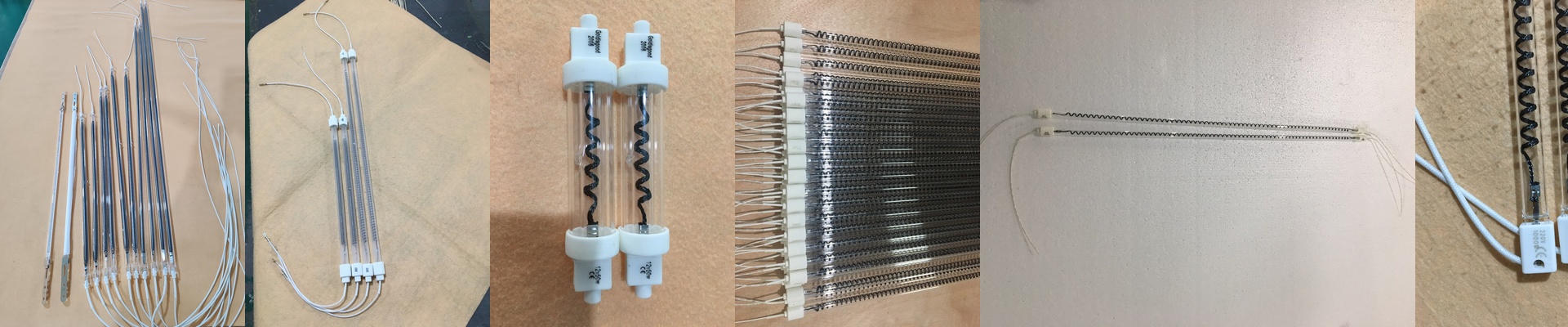
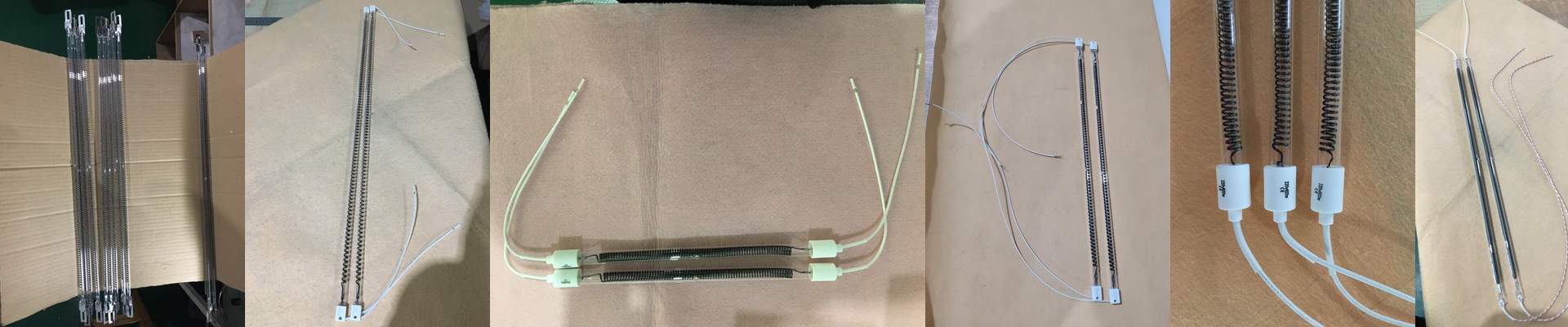
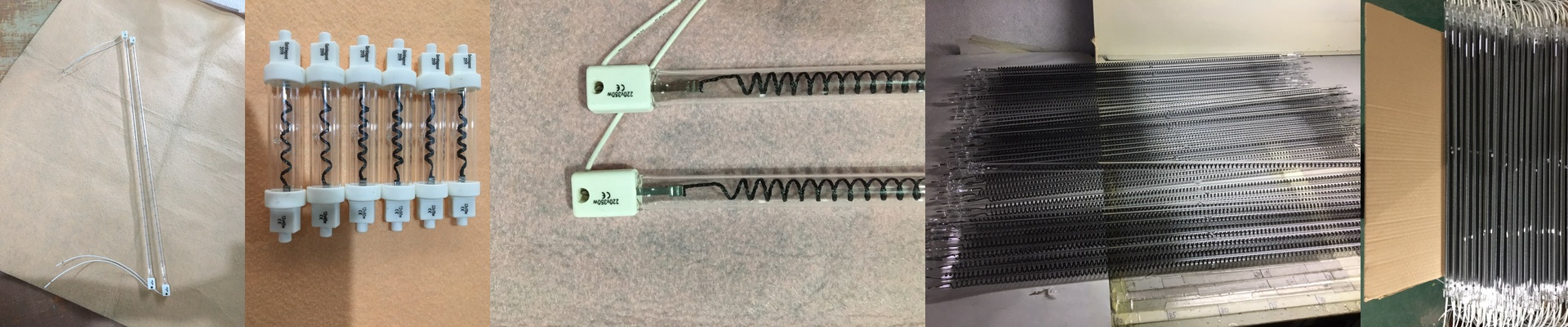
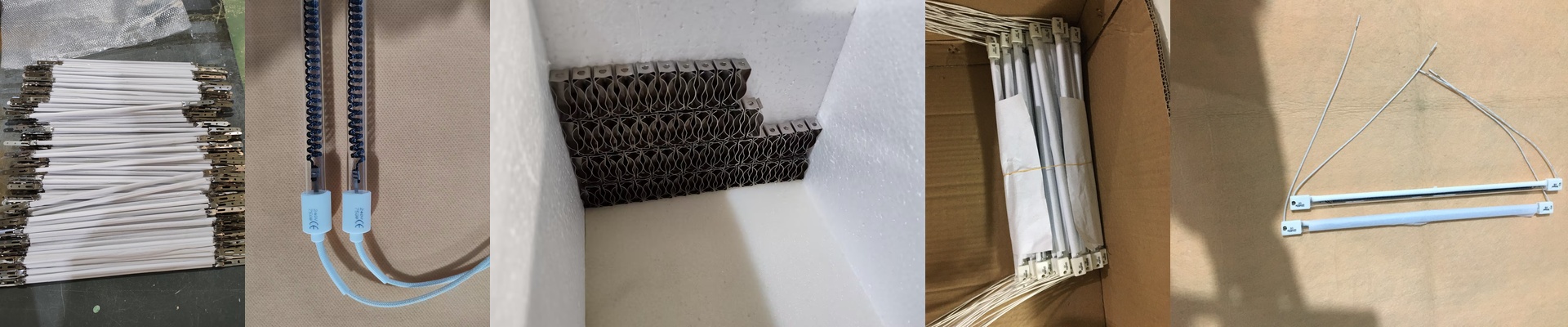
We don’t just slap lamps into a grid and hope for the best. You’ve got to look at your production run—the biggest pads and the smallest ones—and plan around them. For the larger pads, we tend to pack more shortwave infrared emitters into the center of the wall. It helps fight that “edge-loss” effect where the heat just disappears off the sides. Then there’s the spacing. Think of the heat coming off the lamps as cones of radiation. If you put the lamps too far apart, you get a “valley” between them. That’s where your curing fails. We usually set the vertical pitch so those radiation curves overlap at about 110% of the temperature you actually need. That way, the entire face of the pad hits the target temp at the exact same time. No guessing.
Handling the Power and the Heat
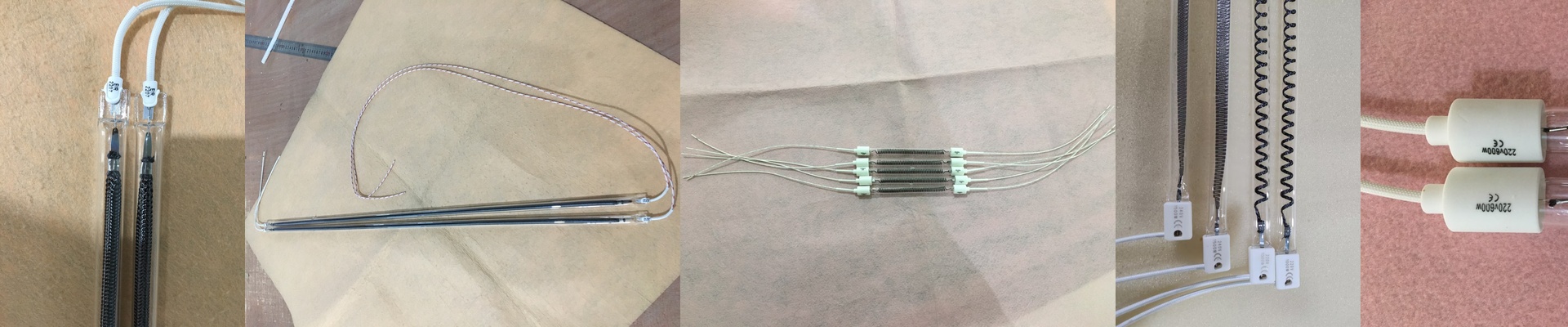
High-wattage quartz lamps are great because they give you the punch you need to cure things fast. But they’re hungry. If you’re running a dense setup, you can’t just plug it in and pray. You have to balance the load across multiple phases, or you’ll be tripping breakers all day. And here’s the trade-off: more lamps mean faster cycles, but they also turn the inside of your curing chamber into an oven. If your cooling fans aren’t up to the task, you’ll bake your lamp sockets and kill your tubes way faster than they should go.
Making Life Easier (Maintenance)
We use slide-in brackets for these walls. Why? Because when a tube eventually burns out, you want it to be a quick swap. You can’t have your entire line dead for two hours just to change one bulb. That’s a nightmare. One last tip: use high-temp silicone leads for the wiring. Standard insulation will just melt against a heating wall, and that’s a problem you really don’t want to deal with on a Tuesday morning.