Stop the Cracking: Getting Brake Pad Curing Right
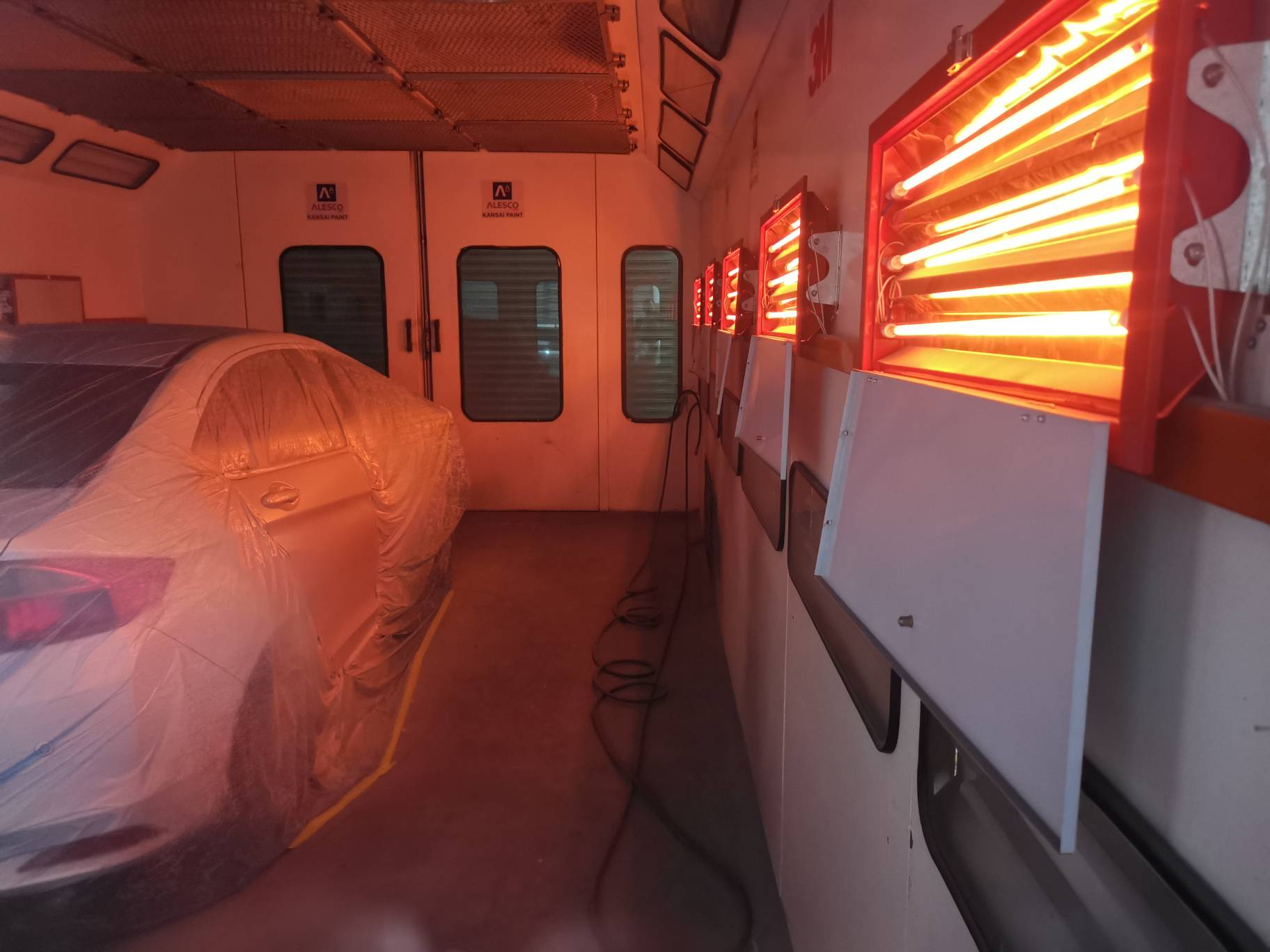
Making brake pads is all about that curing cycle. You’ve got to bond the friction material to the backing plate just right. But here’s the problem: if your temperature spikes or ramps up too fast, you end up with thermal cracking and those annoying little air pockets inside the material. That’s why we lean on short-wave infrared (IR) heaters. Instead of just heating up the air around the part and hoping for the best, IR goes straight for the organic binders. It hits the target directly.
Why the “Core” Matters
Ever wonder why those cracks happen? It’s basically a tug-of-war. The outside of the pad cures and shrinks while the center is still lagging behind. That creates a ton of internal tension. To fix this, you need a heater that reacts fast and lets you control different zones. With short-wave IR, we can tweak the heat flux on the fly. By dialing the power up and down, we give the core a chance to catch up to the surface. No more pressure gaps. No more voids. Just a solid piece of material.
The Gear and the Gotchas
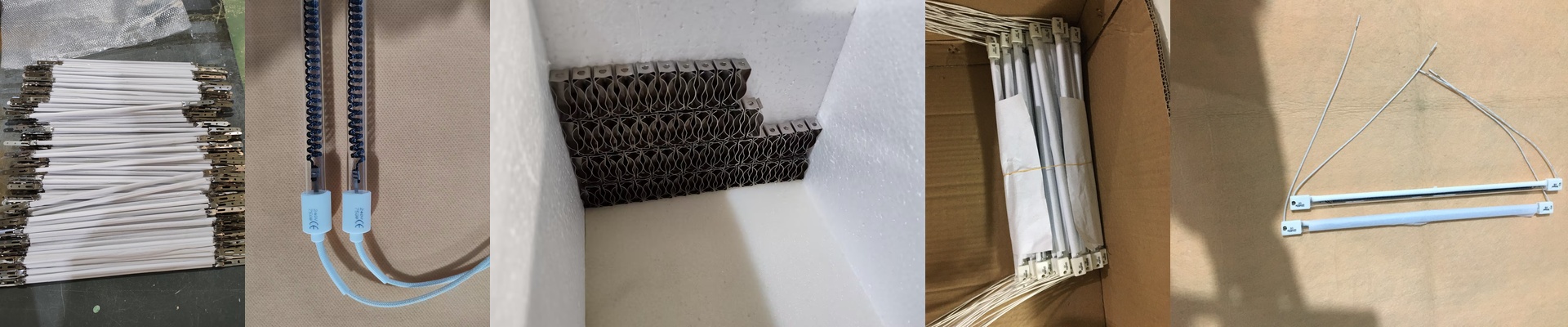
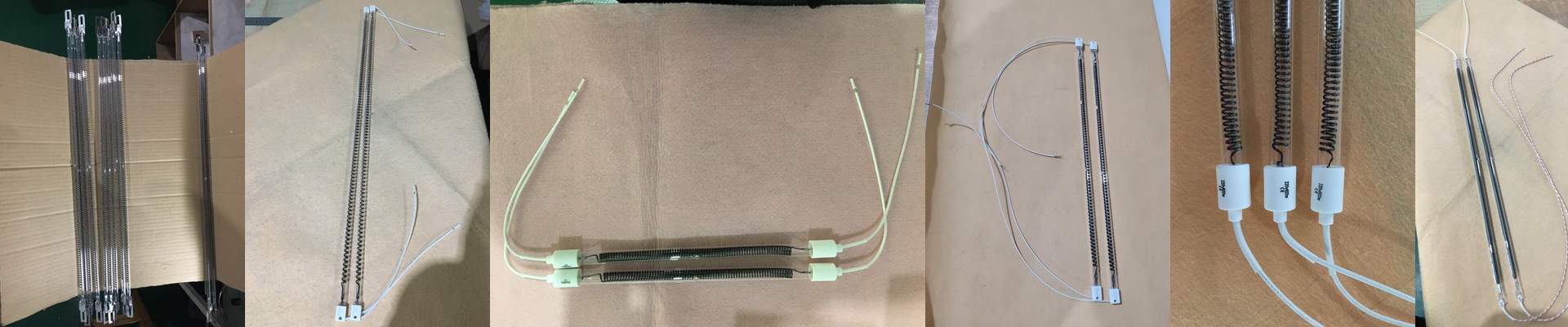
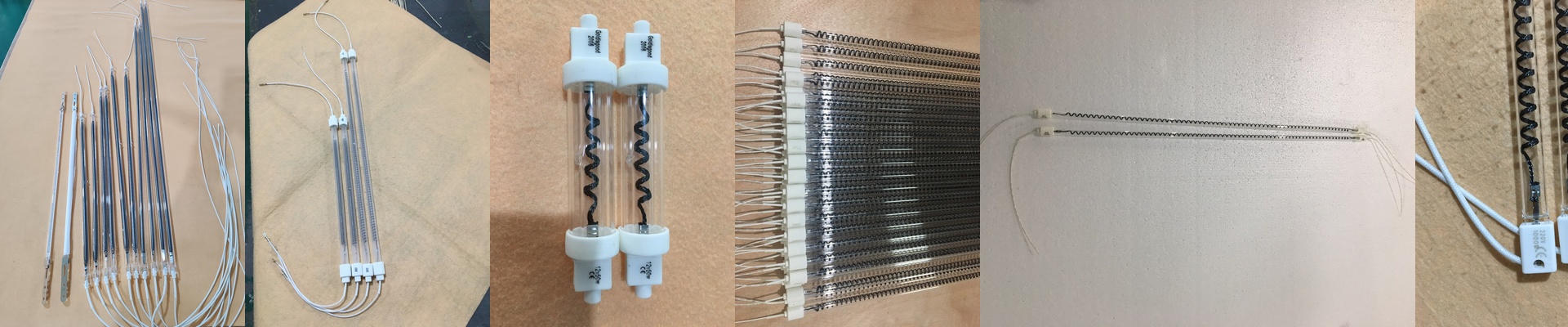
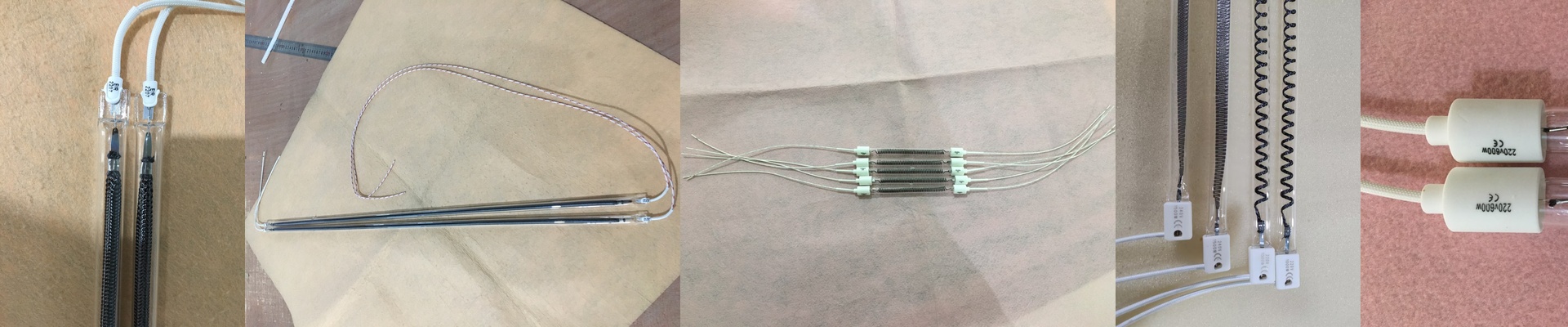
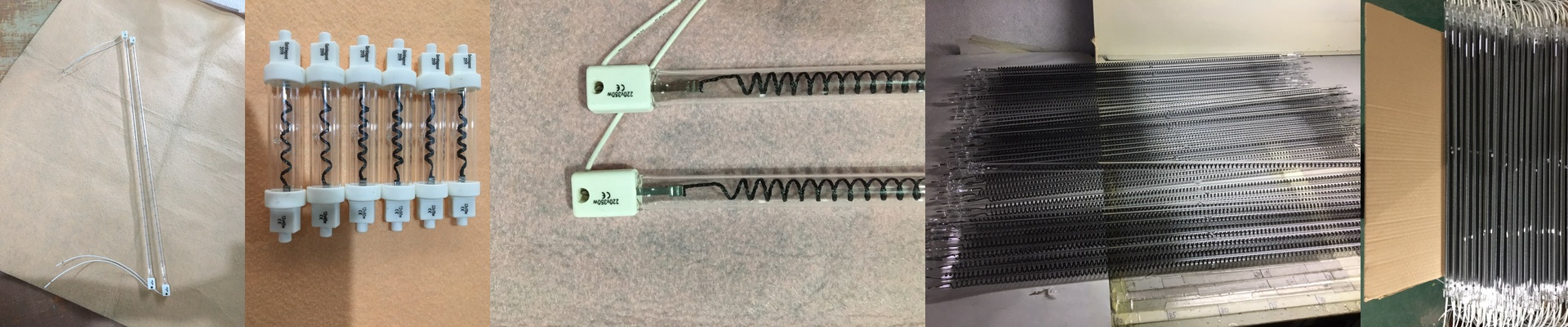
We usually go with high-wattage quartz halogen tubes. They pack enough punch to drive out volatiles without scorching the surface. Plus, when you set up a high-density IR array, you can actually aim the heat at specific spots on the pad. But a word of warning: this stuff pulls a lot of power. If you’re cramming 2kW+ tubes into a small space, your control cabinet is going to get hot.**Really hot.**Make sure your ventilation is top-notch, or you’ll be replacing burnt-out contactors way sooner than you’d like.
The Bottom Line
When you get your IR control dialed in, the whole process stops feeling like a gamble. You aren’t crossing your fingers and hoping the center is cured; you just know it is. The result? Pads that can take a serious beating during hard braking without crumbling. It costs a bit more upfront to invest in proper IR zoning, but it’s worth it to stop throwing rejected parts in the scrap bin.