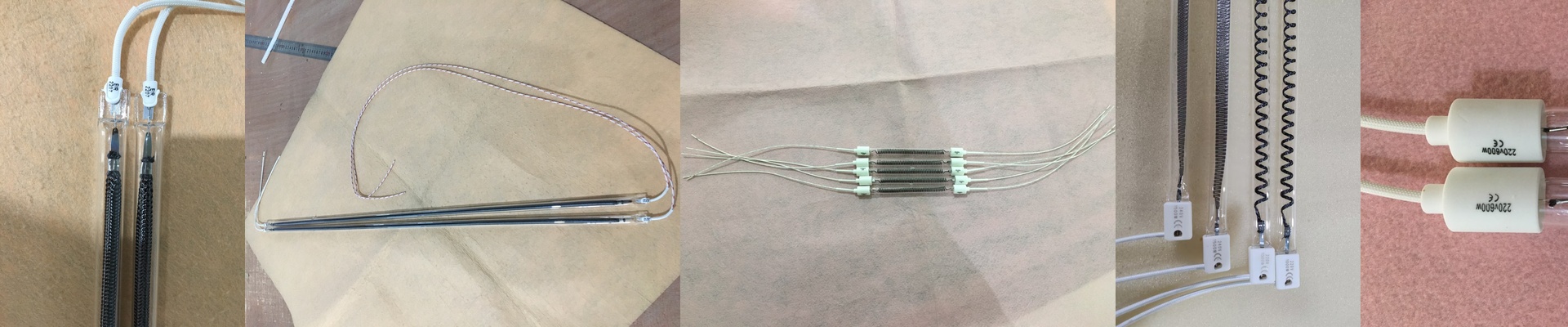
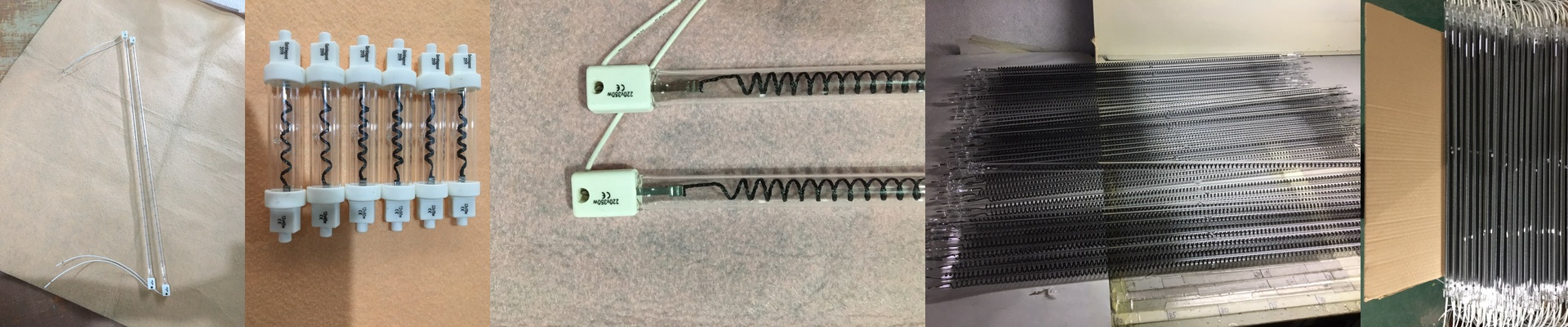
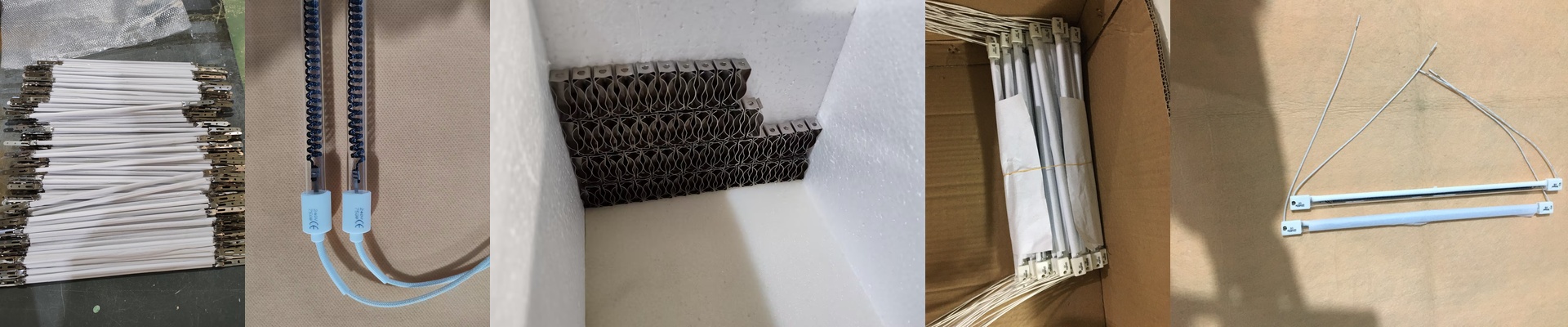
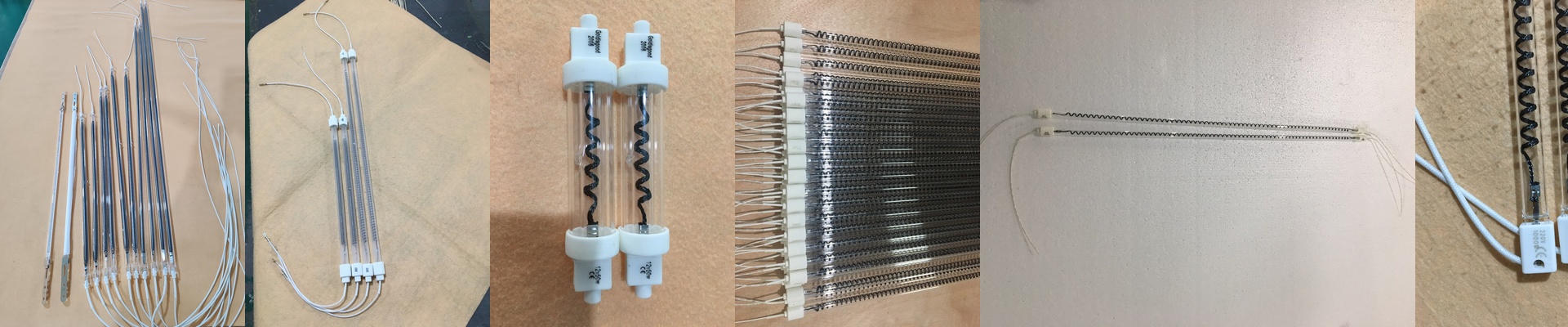
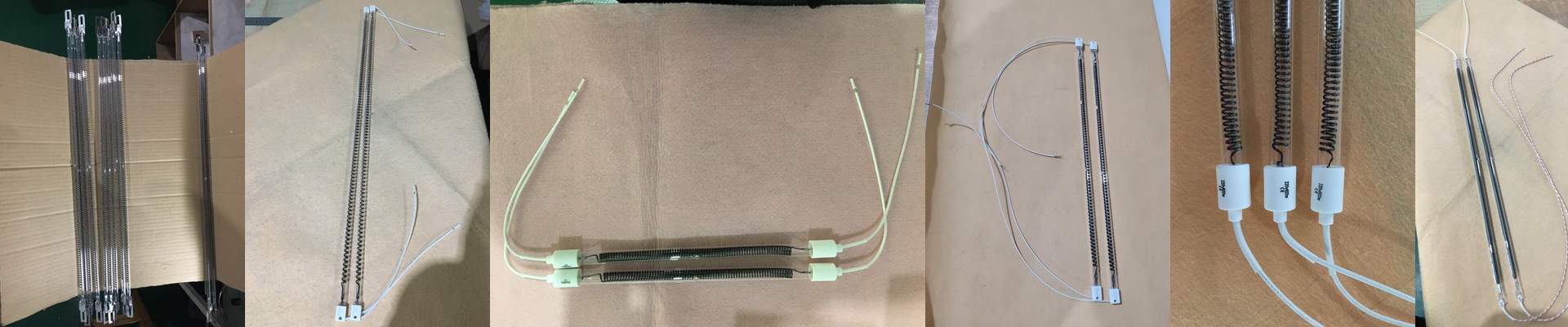
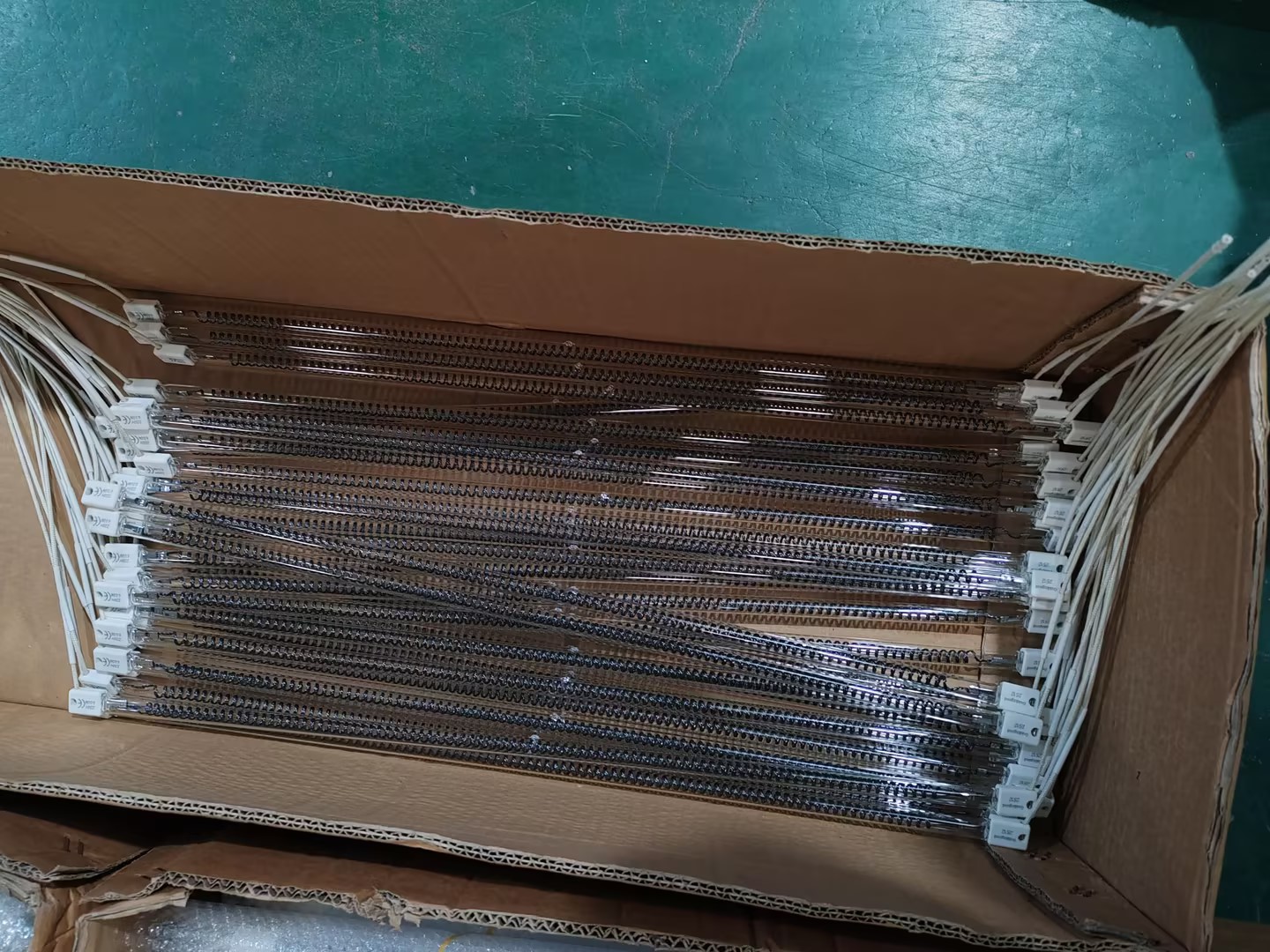
Let’s Talk About SK15 Carbon Fiber Infrared Emitters
If you’re dealing with industrial drying or curing, you know that getting the heat just right is usually the hardest part. That’s why we build our infrared lamps with an SK15 head. Instead of those old-school tungsten coils, we use a carbon fiber filament tucked inside quartz. It changes the whole vibe of how the energy hits your material, letting the heat soak in deeper instead of just scorching the surface.
The Deal with the SK15 Interface
The SK15 connector is basically a standardized plug. We use it because it’s reliable. When you’re pushing high current, the last thing you want is a socket that gets dangerously hot or a connection that rattles loose because your machinery is vibrating. Plus, it makes life easier during maintenance. You just pop the old one out and drop a new one in. No fuss, no long downtime, no headache.
Why Carbon Fiber?
Here’s the thing about carbon fiber: it doesn’t need to get nearly as hot as metal to do its job. Since it focuses on medium-to-long wave infrared, you aren’t wasting energy on bright, blinding light. You’re getting actual heat where it counts. And because carbon fiber handles temperature swings better than metal, these tubes are tough. If your process requires flicking the power on and off for precision timing, these won’t just burn out on you. They can take the hit.
A Few Things to Watch Out For
Now, it’s not all magic. There are a couple of catches. Carbon fiber lamps are pretty sensitive to voltage spikes. If your power supply is jumpy, you might blow a filament the second you flip the switch. It’s a bummer, but it happens. To stop that, I really recommend using a dedicated SCR controller to ramp the power up slowly. It saves the quartz from thermal shock and makes the whole lamp last way longer. One last tip: keep your reflectors clean. If dust builds up on the mirror, your efficiency tanks and the tube can overheat. A quick polish goes a long way.