Introduction
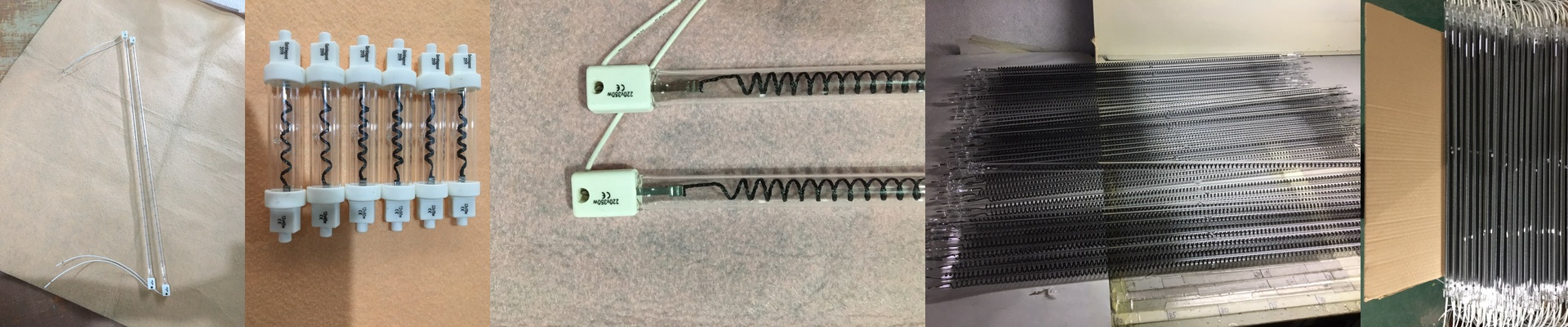
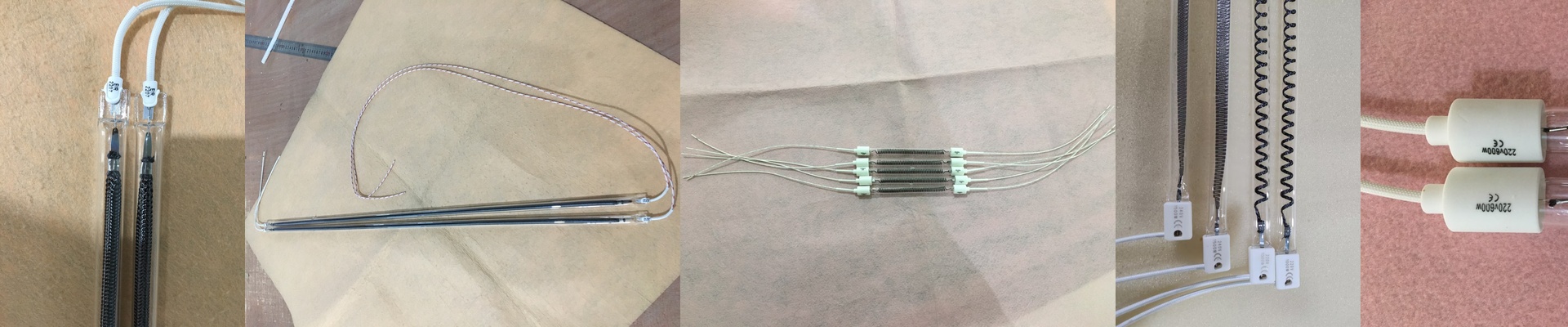
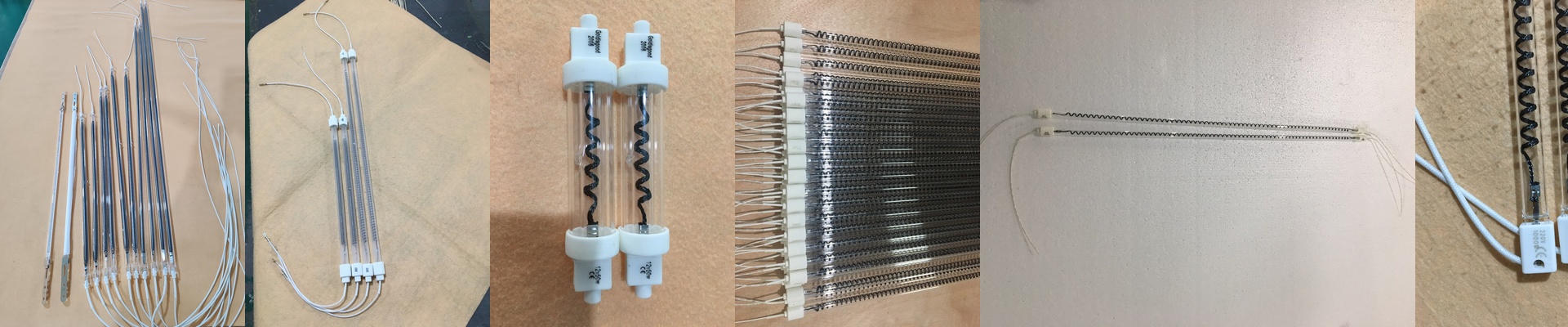
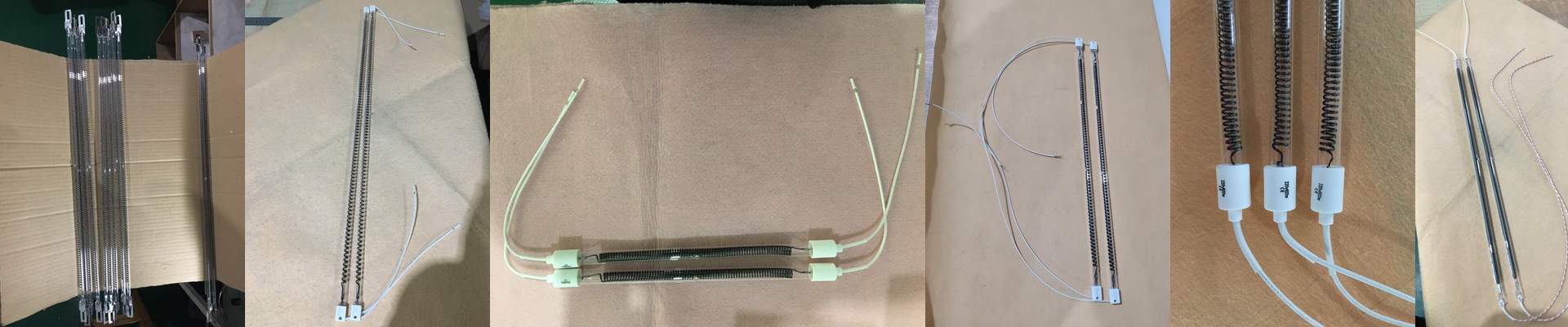
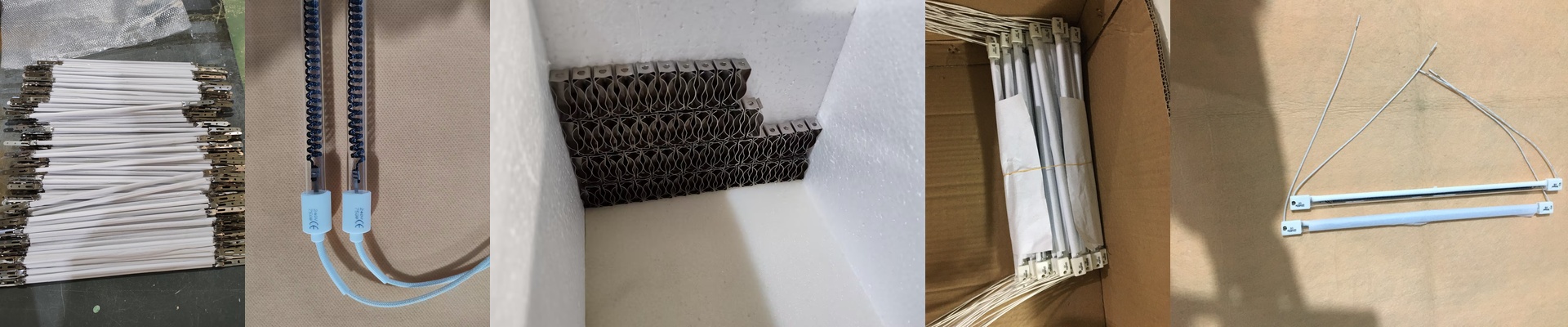
We built this pear-shaped carbon fiber heater for one simple reason: to throw off serious, focused heat when standard heaters just can’t cut it. It’s a halogen-filled, quartz-bodied unit, born for industrial spaces that need a lot of power in a small footprint.
What’s Under the Hood
Let’s get into the details. This thing runs at 400V and pulls 2500W. That’s a serious punch of power packed into a small space. It’s only 300mm long and 10mm across, but it puts out enough heat to handle the tough jobs. The 400V design isn’t an accident—it lets you get more wattage without drawing a ton of current. That means you can use thinner wiring and don’t have to worry as much about voltage dropping over distance. But here’s the catch: that kind of high-voltage power demands respect. Your control circuitry and cooling system have to be up to the task. If you don’t match the components correctly, you’re just asking for trouble down the road.
The Build
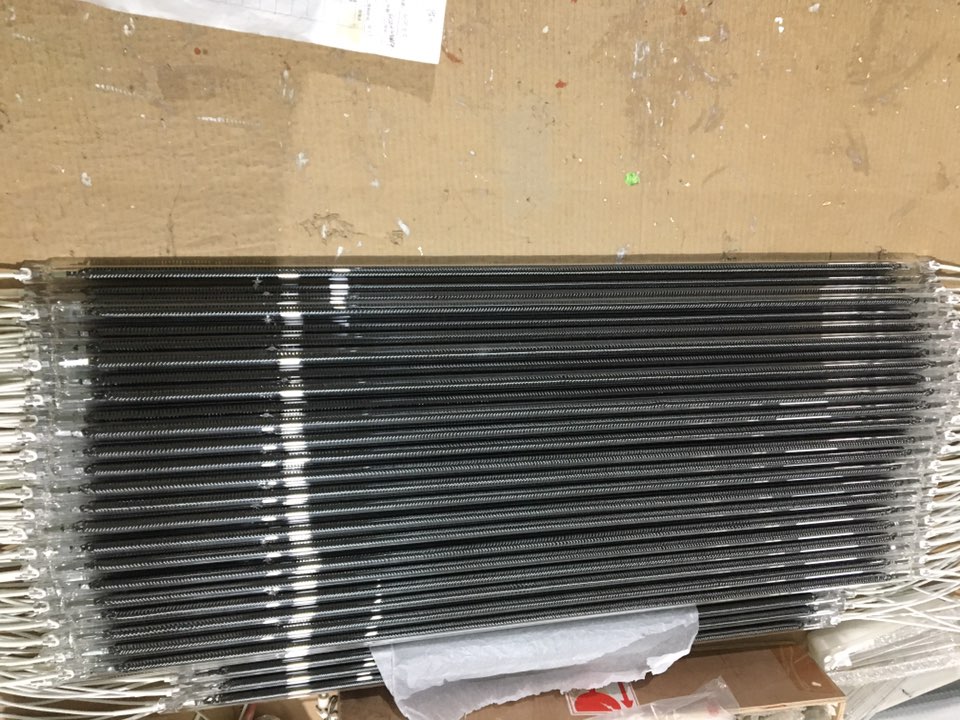
Inside, you’ve got a carbon fiber filament sitting in a halogen gas environment. This setup keeps the filament stable and stops the quartz tube from blackening. So, you get steady light and heat for the long haul. The quartz body is built to handle the extreme temperatures and won’t crack when things heat up fast. The R7s connector is a simple, double-ended design, which makes it a straightforward drop-in replacement for what you’re already using. It handles the high current without getting hot, and the connection stays rock solid.
Where It Shines
This heater really comes into its own in places like PET blowing, plastic thermoforming, and industrial drying. Basically, anywhere you need to blast a specific zone with heat, fast. The pear shape focuses the heat exactly where you need it, and that power density means you get up to temperature in no time. The halogen cycle keeps the element clean, so you get consistent performance without the constant fiddling and maintenance that comes with bare wire heaters. For you, that means faster cycle times and way less downtime. But remember, you’re packing a lot of heat into a small space. Plan your machine’s heat dissipation from the start, and you’re golden.