Introduction
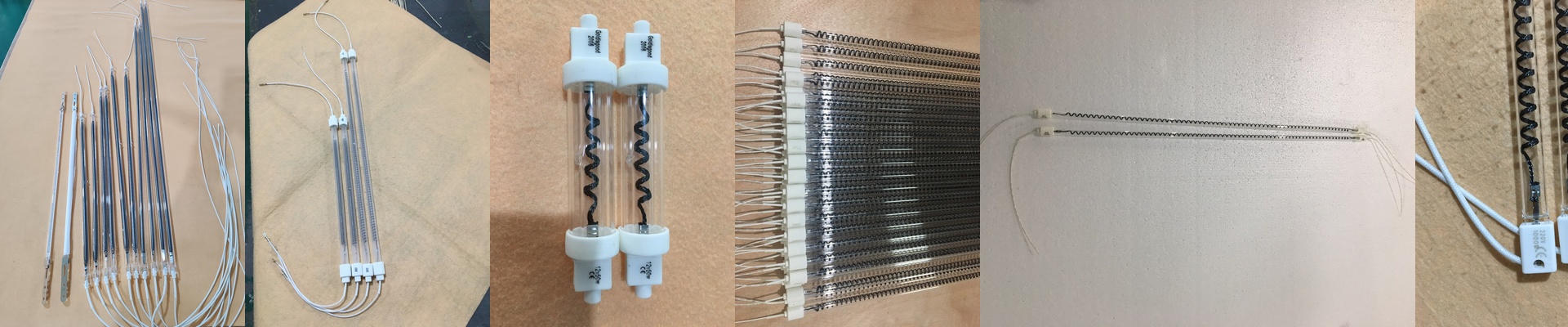
We built these carbon fiber heating elements for the tough stuff—the industrial jobs where you need heat, and you need it fast. The kind of heat that keeps up with a modern production line, not the kind that leaves you waiting around for an old-school system to catch up. They’re made for relentless, consistent performance, even in the harshest environments. Think of them as the upgrade you didn’t know you needed until you saw them in action.
The Nitty-Gritty
Here’s the deal. These elements are rated for 400V and can pump out up to 2500W of power. All that punch comes in a surprisingly small package. We keep the length at 300mm for a reason. It focuses the heat right where you need it, so you’re not wasting energy heating up empty space. Plus, running on high voltage means you get the same power with lower current. That makes the wiring simpler and keeps the connections solid. The result? A clean, predictable heat profile that just works, especially when you’re tying it into automated equipment.
What’s Inside
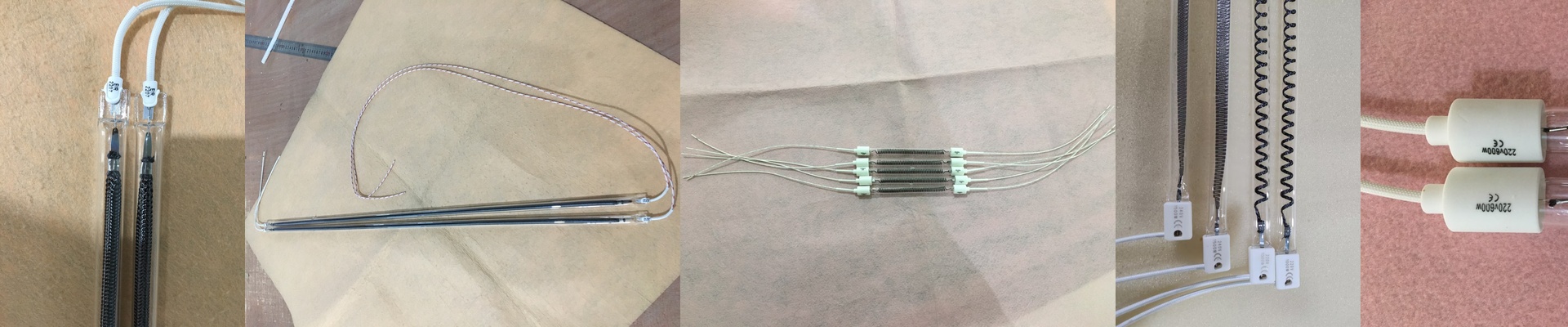
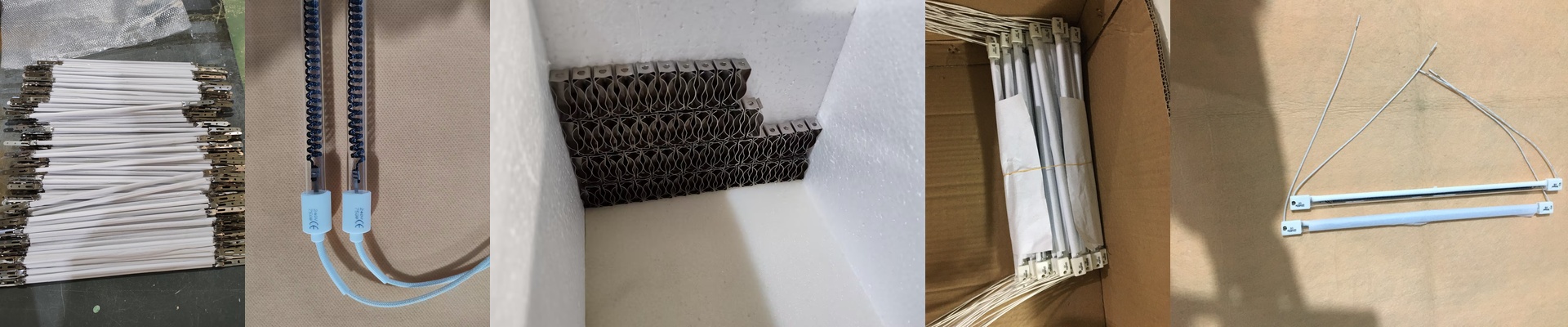
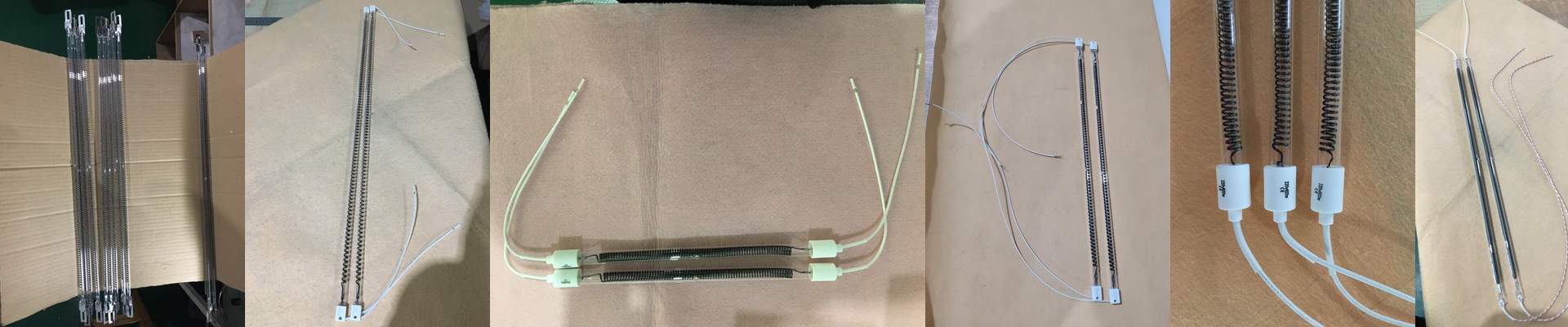
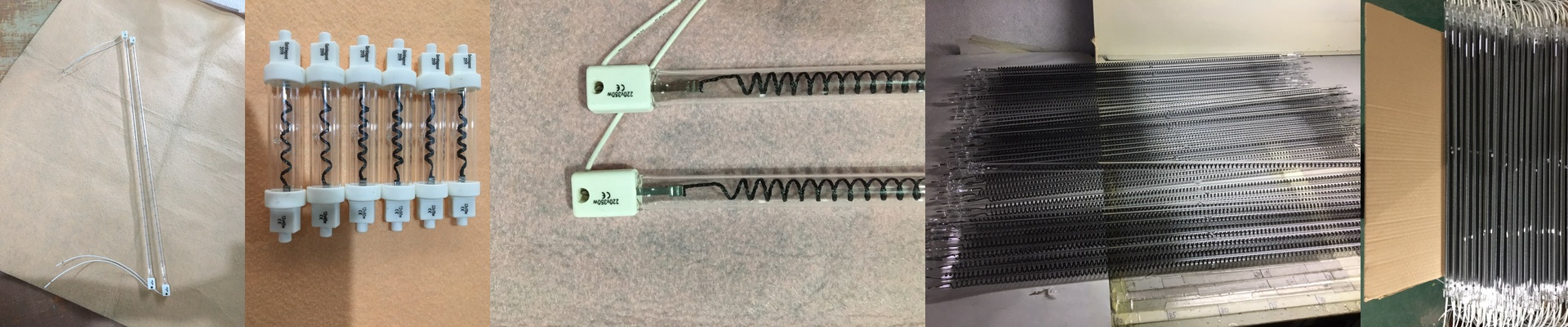
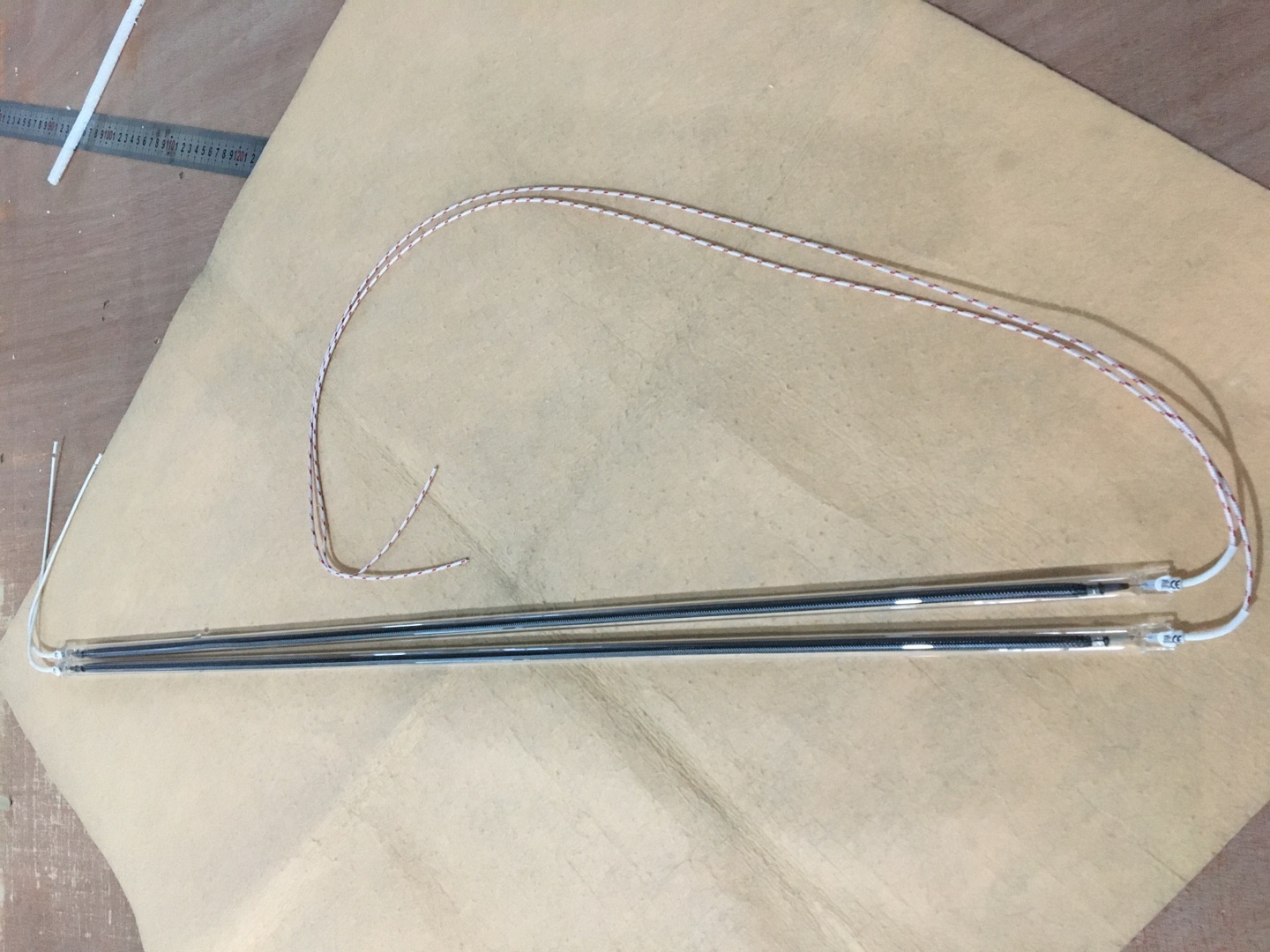
The carbon fiber element is housed in a quartz envelope. This isn’t just any glass—it’s built to handle extreme temperatures and keep its electrical strength steady, no matter what. Inside, a halogen gas does the heavy lifting to protect the filament, keeping the output stable over the long haul. And for the connection, we use an R7s connector. It’s a straightforward, rigid-pin design that locks the element in place. This means a secure contact every single time, and swapping out a unit is a breeze. It’s a design that holds up, even through constant heating up and cooling down, without ever losing its grip.
Real-World Payoff
On the line, especially for things like PET blowing, these elements shine. They heat up fast and evenly, which is exactly what you need to keep the melt temperature consistent. The combo of quartz, halogen, and carbon fiber gives you reliable performance you can count on, day after day. Now, the one thing to keep in mind: that high watt density is powerful, so you’ll need a thermal management system that’s up to the task. It’s a small trade-off for the kind of performance you get, and it keeps everything else around it from getting too hot.