Let’s Talk About Carbon Fiber Infrared Lamps
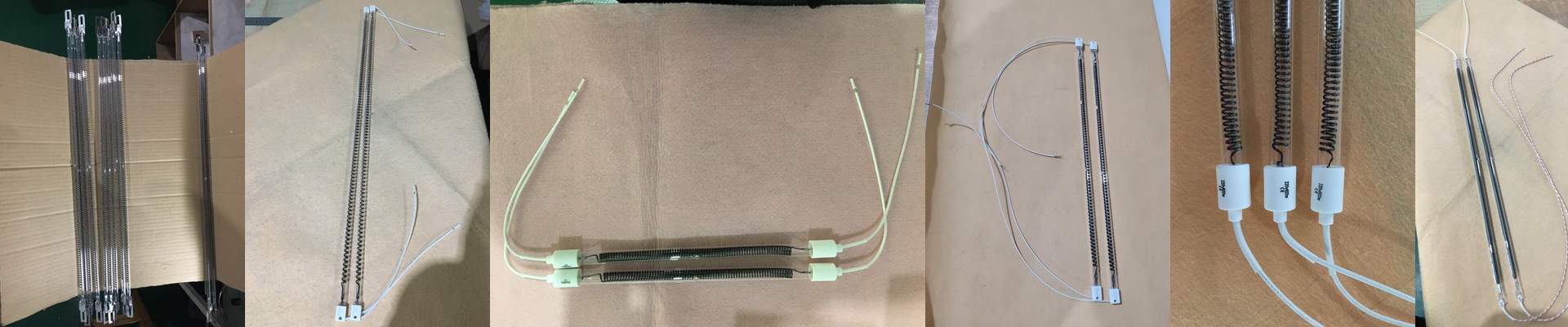
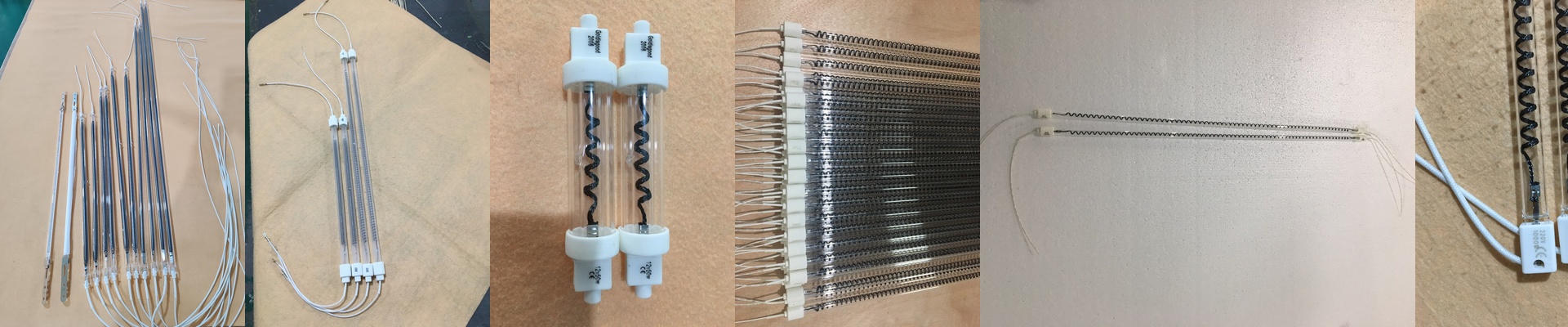
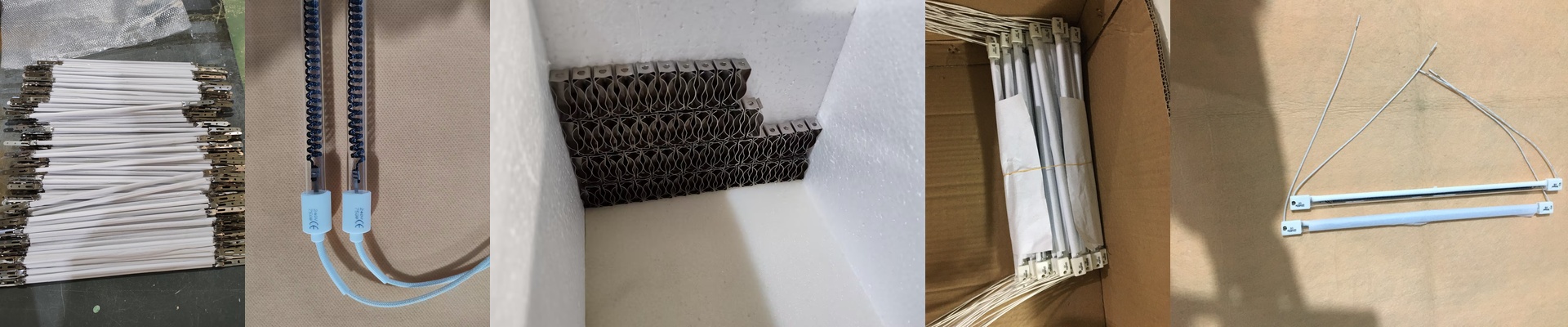
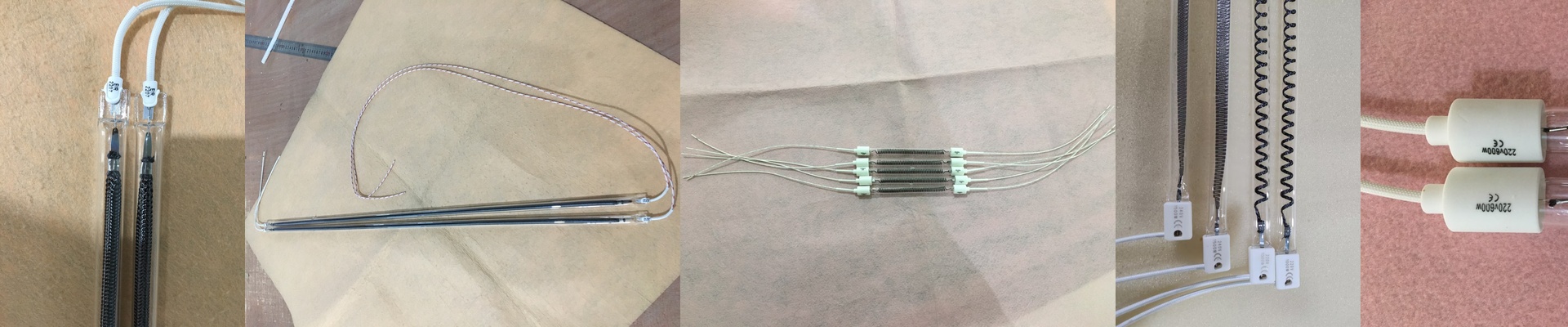
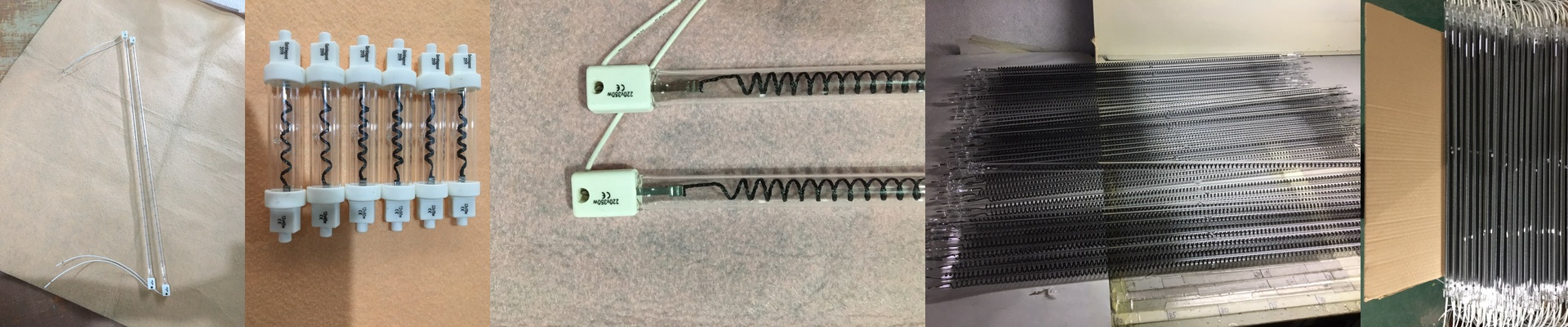
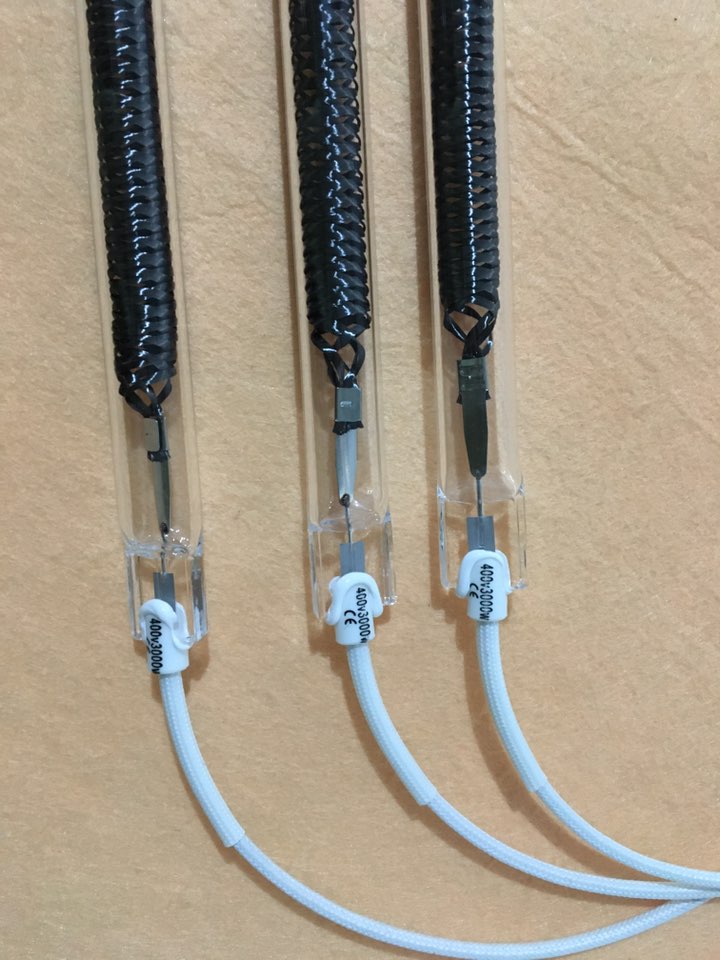
We build these tubular lamps to do one thing really well: push concentrated far-infrared (FIR) heat exactly where it needs to go. Instead of using the old-school metal alloy elements, we use a carbon fiber filament tucked inside a quartz tube. It changes the way the heat behaves. Instead of just searing the surface of your material, the heat actually sinks deep inside. It’s the difference between a quick singe and a deep, thorough warm. Getting the heat right The wattage and voltage are what really drive the heat flux. If you need things to heat up instantly—we’re talking seconds—you’ll want a high-wattage tube. We can tweak the resistance of that carbon filament to fit whatever you’ve got running in your plant, whether that’s 220V or the heavy-duty 380V/400V setups. Pushing more power through a smaller space is great, but just a heads-up: make sure your wiring and contactors can take the hit. Nobody wants a burnout on a Tuesday morning. Building them to last (mostly) That quartz envelope isn’t just for show; it keeps the filament from oxidizing and dying early. Depending on what you’re doing, we can add coatings to help the heat emit better or protect the glass from nasty chemical vapors on your line. As for the setup, we use standard connectors like R7s or Sk15. Why? Because when a lamp eventually pops, you don’t want to spend your whole afternoon rewiring an oven. You just swap the tube and get the line moving again. Simple. Where these actually live You’ll see these all over the place—PET blowing, curing paint, welding plastics. Organic polymers just love this specific FIR wavelength. It gives you a smooth, even heat, so you don’t end up with those annoying “cold spots” in your preforms. One last thing. Carbon fiber is fast, but quartz is glass. It’s fragile. If your machinery shakes or takes a lot of mechanical hits, do yourself a favor and use reinforced mounting brackets. It’ll save you from the headache of snapping tubes.