Let’s Talk Carbon infrared Heating
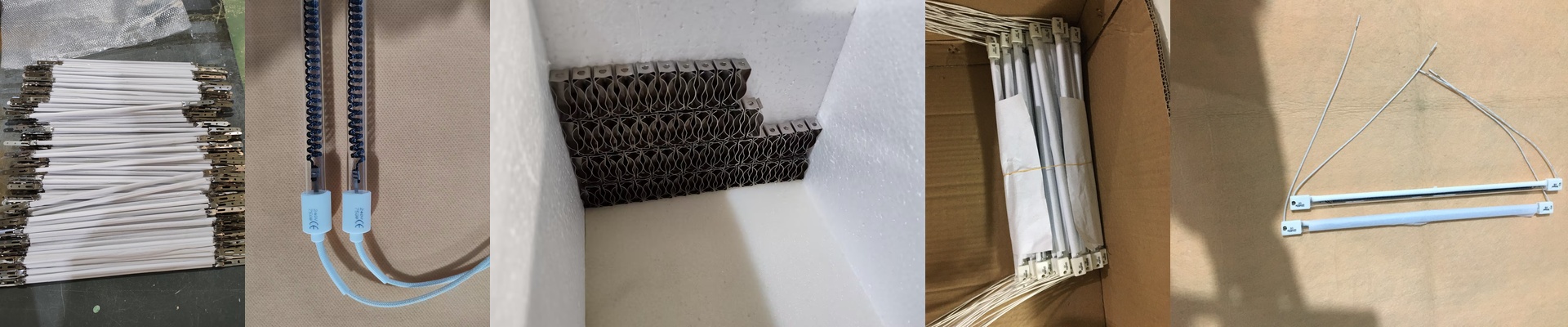
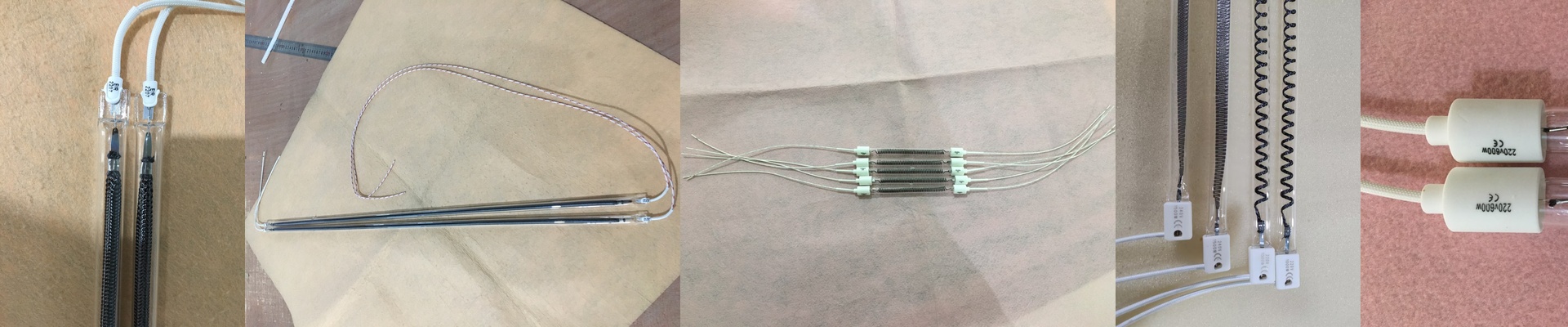
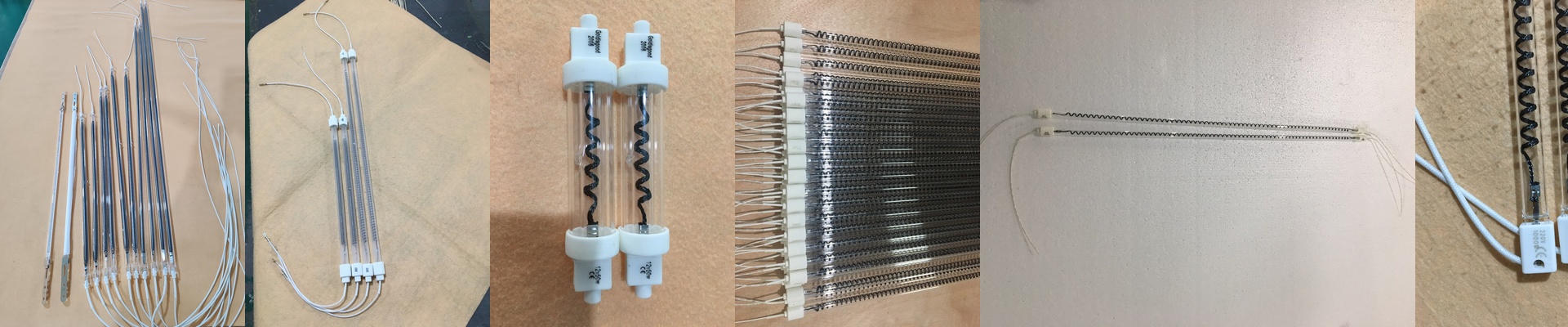
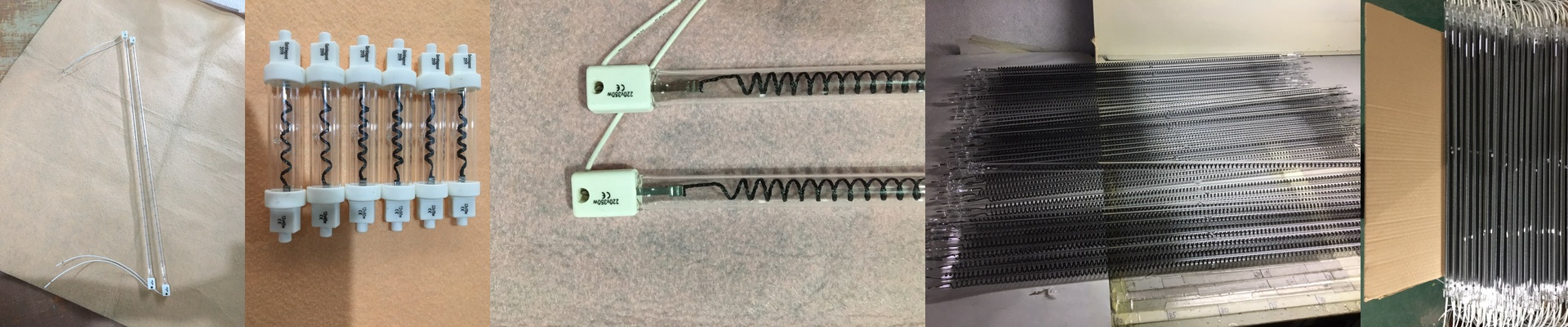
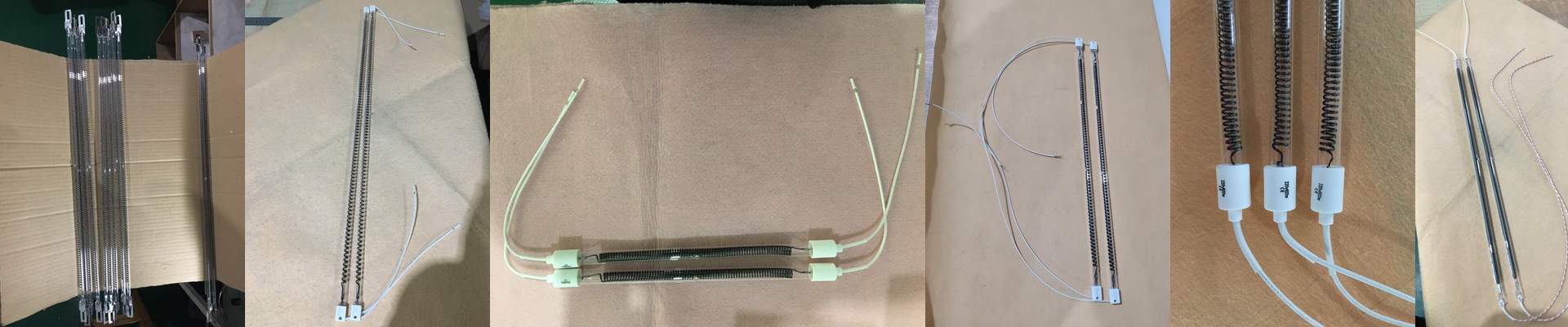
Ever wonder why some heaters just feel different? It’s all in the guts. Instead of those old-school metal coils, we use a carbon-fiber filament tucked inside a quartz tube. The cool part is that these filaments don’t need to get scorching hot to get the job done. They pump out medium-to-long wave radiation that actually sinks deep into your material. If you need something to heat up fast—and I mean really fast—this is the way to go.
Getting the Power Right
When you’re picking out a lamp, you’ll see a lot of talk about voltage and wattage. Think of it as the “punch” of the heater. If you cram high wattage into a short tube, you get an intense heat zone. High voltage gives you more power per square inch. But here’s the catch: make sure your wiring can actually handle that draw. If you overload the circuit, you’re just asking for a burnout, and nobody wants to deal with that mid-shift.
The Build and the Fit
We use high-purity quartz glass because it keeps the filament from oxidizing. Some of our lamps even have a special coating. This lets the heat skip over the surface and hit the core of whatever you’re working on. As for plugging them in, we stick with R7s or Sk15 connectors. They’re basically plug-and-play for most industrial setups. They fit snugly, too, so you don’t have to worry about the lamp rattling around and snapping while your machine is humming along.
Real-World Use (and a few warnings)
You’ll see these all over the place in plastic welding or PET bottle blowing. They hit the target instantly, which means your cycle times drop and things move faster. But, a heads-up: carbon lamps are a bit delicate. They don’t love being shaken. If your environment is vibrating like crazy, grab some dampening mounts to protect them. Also, because they pack so much heat into one spot, your cooling system needs to be up to the task. If the housing doesn’t vent properly, the heat builds up and kills the lamp’s lifespan. Keep it breezy, and they’ll last a lot longer.