The Real Deal on Carbon Infrared Heaters for Saunas
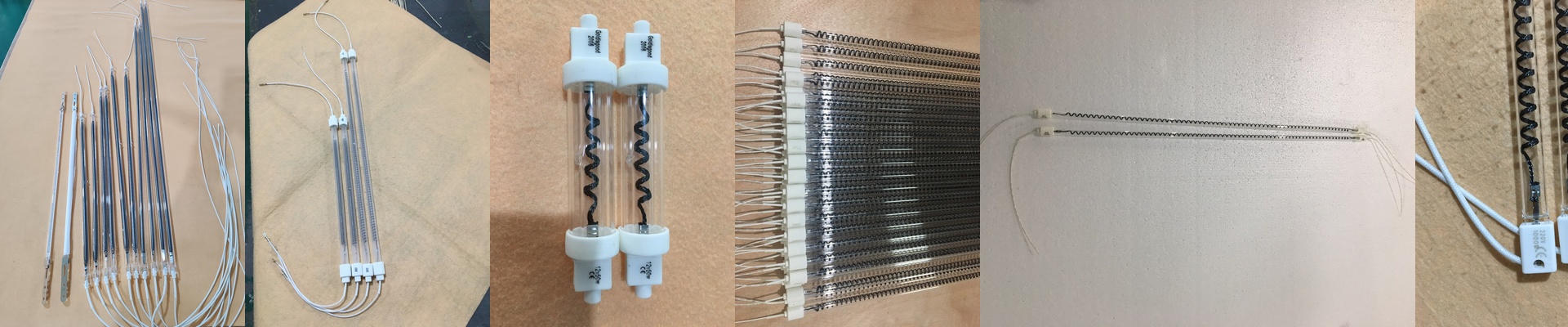
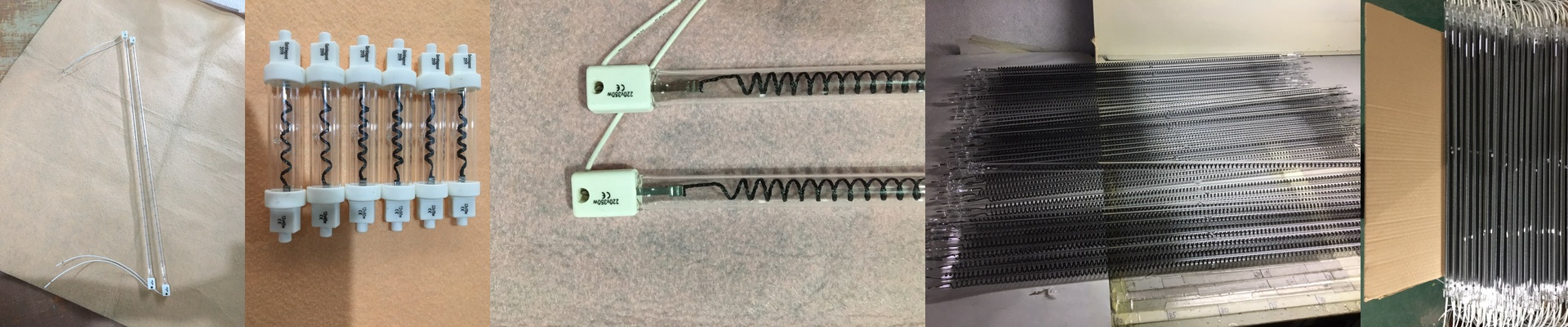
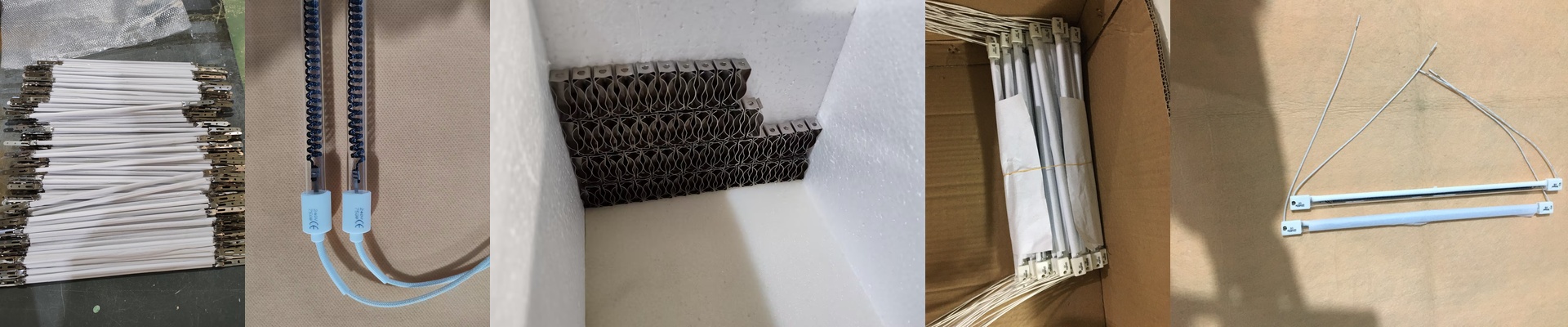
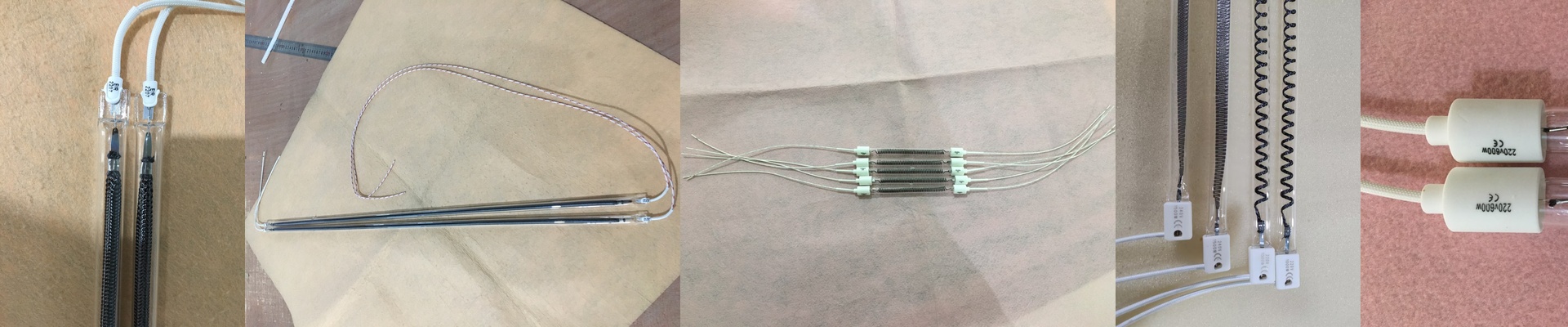
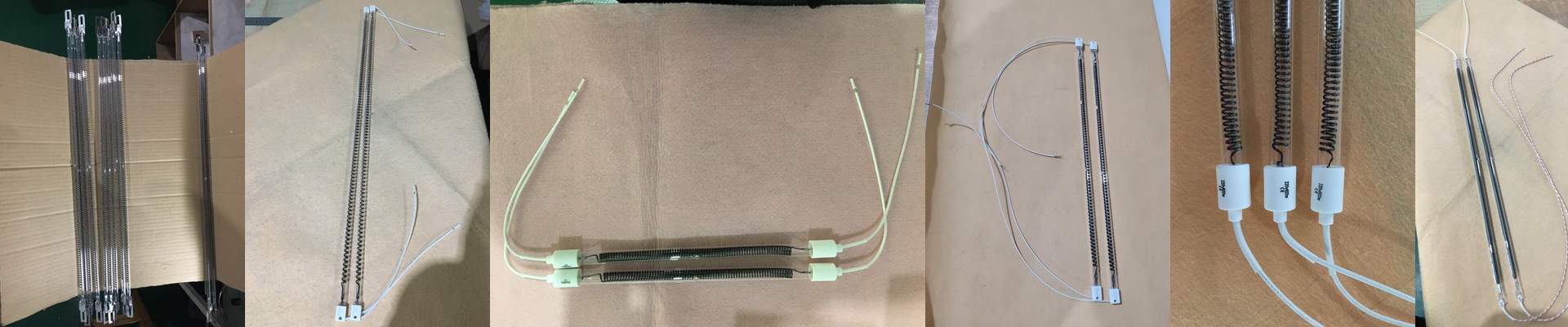
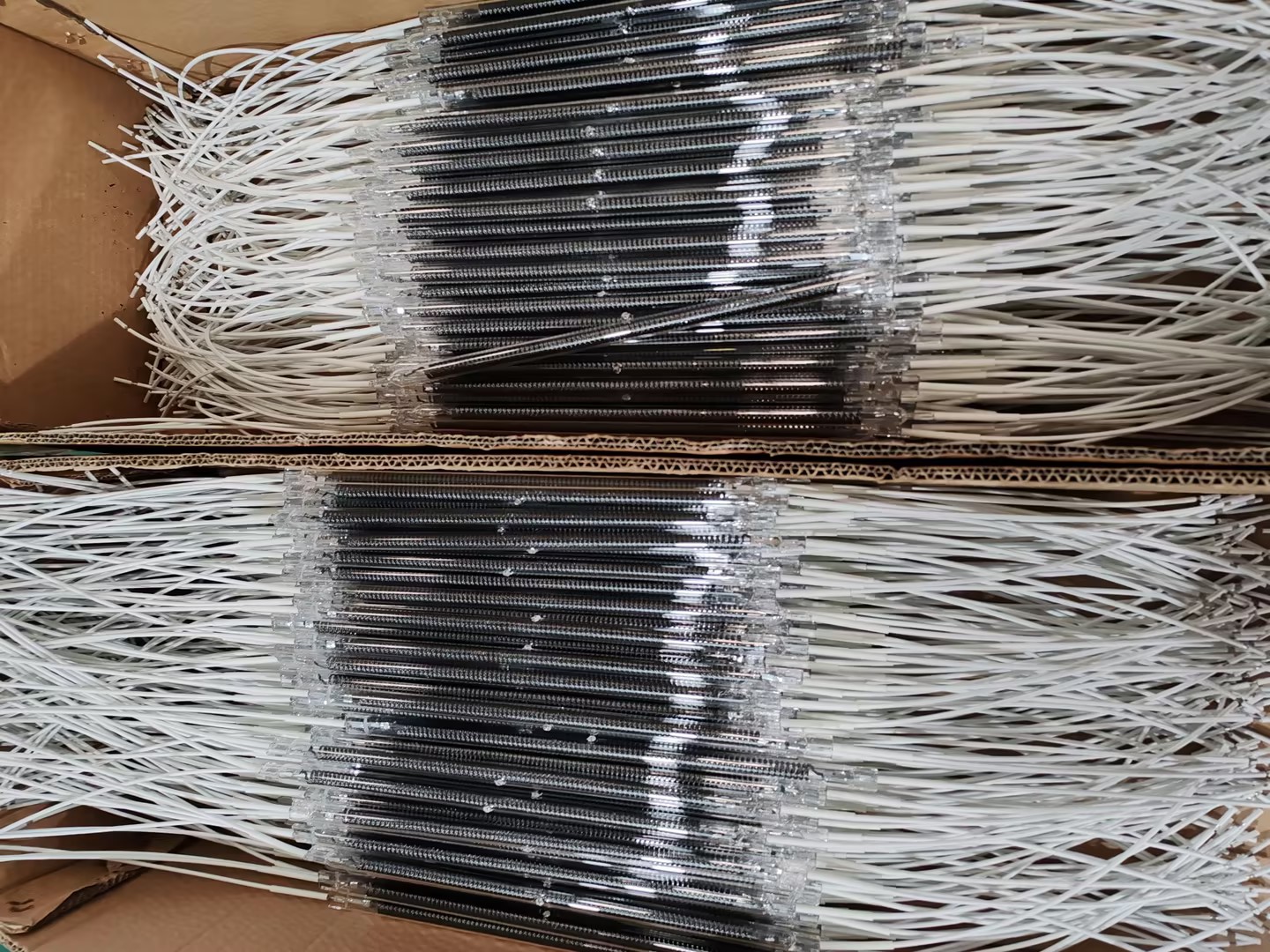
If you’ve looked into sauna heating, you’ve probably seen quartz lamps. They’re fine, but we do things a bit differently. We use carbon-fiber elements. Why? Because we want that far-infrared (FIR) heat. It’s the kind of warmth that actually gets deep into your muscles instead of just baking the surface of your skin. It feels less like being under a heat lamp and more like a deep, soothing soak. Getting the power right Most of our heaters run on your standard 220V-240V lines. The goal here is a steady, reliable surface temperature. Here is the trick: these don’t really “heat the air” like a traditional heater does. They send energy straight into your body. Because of that, you have to be careful with your wattage. If you go too low, you’ll be sitting there forever waiting to sweat. Go too high? You’ll end up with hot spots that actually sting. It’s all about finding that sweet spot based on how well your sauna is insulated. What’s under the hood Inside, there’s a carbon-filament core tucked away in a high-grade quartz or ceramic sleeve. We do this so the filament doesn’t oxidize and die on you after a few months. Since it’s a layer of carbon rather than a coiled wire, the heat spreads out evenly across the whole tube. No weird cold patches. One quick tip: if you’re wiring these into a custom bench, don’t cheap out on the wires. Use a gauge that can handle a heavy, continuous draw, or you’ll deal with voltage drops that kill the performance. The practical side of things These are great if you’re replacing old infrared panels. They take up way less space and kick in much faster. But, a word of caution: carbon elements are a bit more fragile than those chunky ceramic blocks. If you’re rough with them during installation, the internal filament can crack. Just be gentle and use vibration-dampening brackets to keep them secure. And remember, your sauna won’t feel like a scorching Finnish steam room. The air stays cooler. Because of that, you should focus your ventilation on getting the moisture out rather than trying to trap every bit of heat.