Getting Carbon Infrared Heaters Right
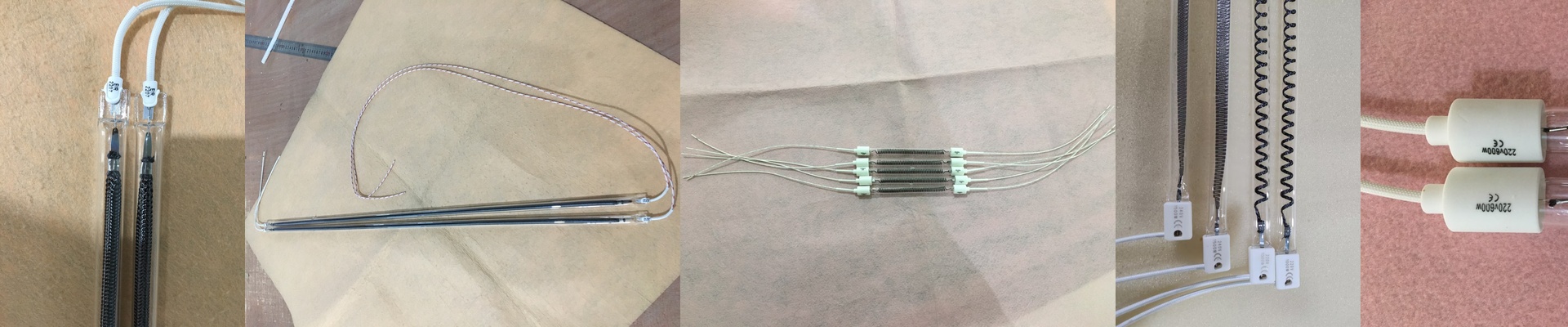
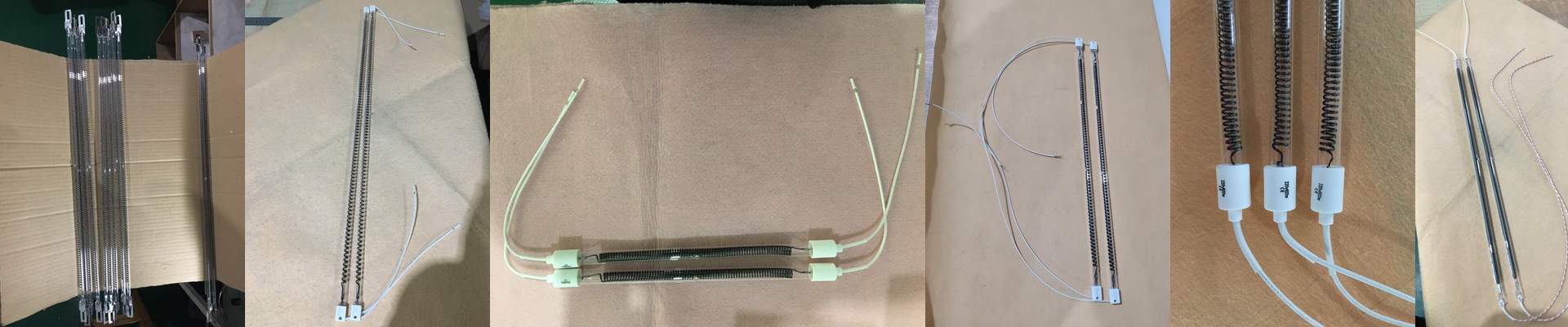
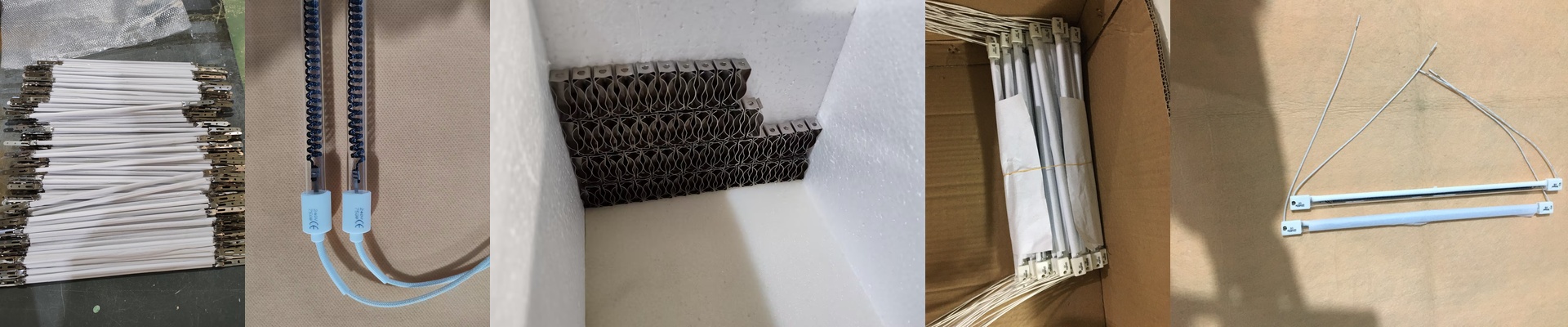
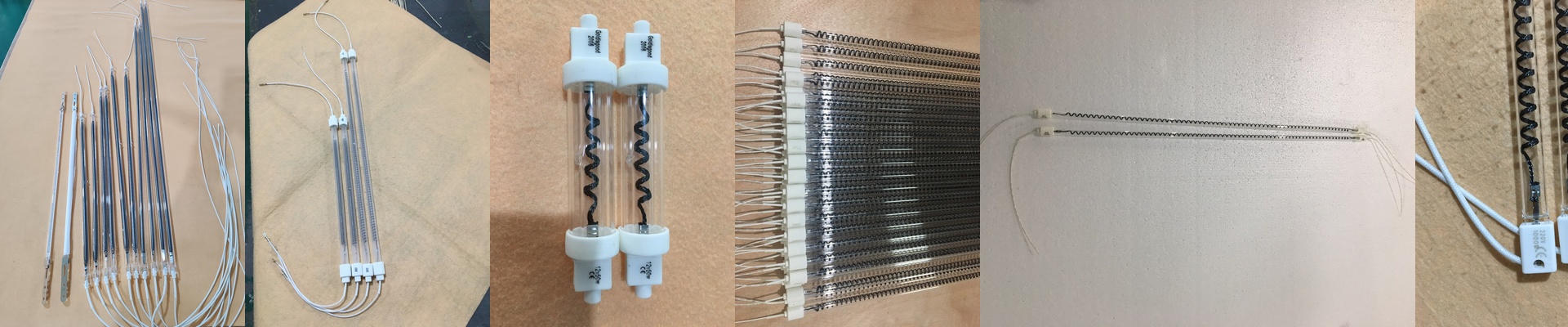
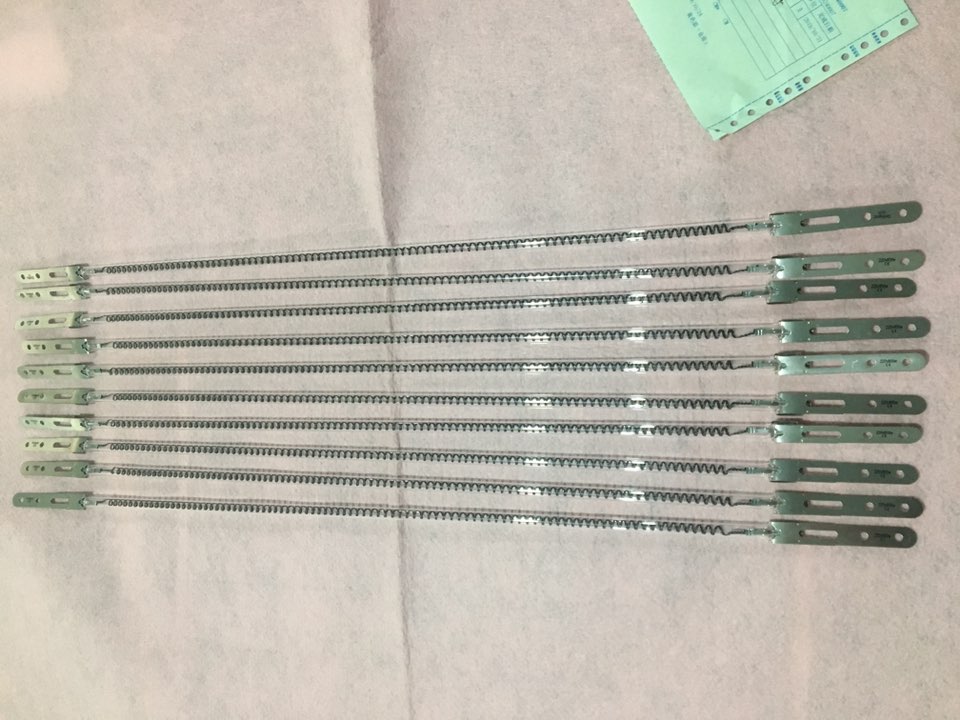
Let’s talk about carbon heaters. Basically, we’re taking a carbon-fiber filament, tucking it inside a quartz tube, and using it to blast out short-wave infrared heat. We usually build these for the tough jobs—the ones where standard metal coils just can’t keep up with the heat you actually need.
The Power Struggle
When you’re picking your specs, the relationship between voltage and wattage is everything. It’s what decides how “dense” that heat feels. If you go with a high-voltage setup, you can use longer tubes without seeing the temperature dip at the ends. Now, if you run a 2500W tube, the heat hits almost instantly. It’s impressive, but it puts a massive strain on your power supply. Just a heads-up: make sure your wiring is beefy enough to handle that draw, or you’ll be smelling burnt terminals pretty quickly.
Glass and Plugs
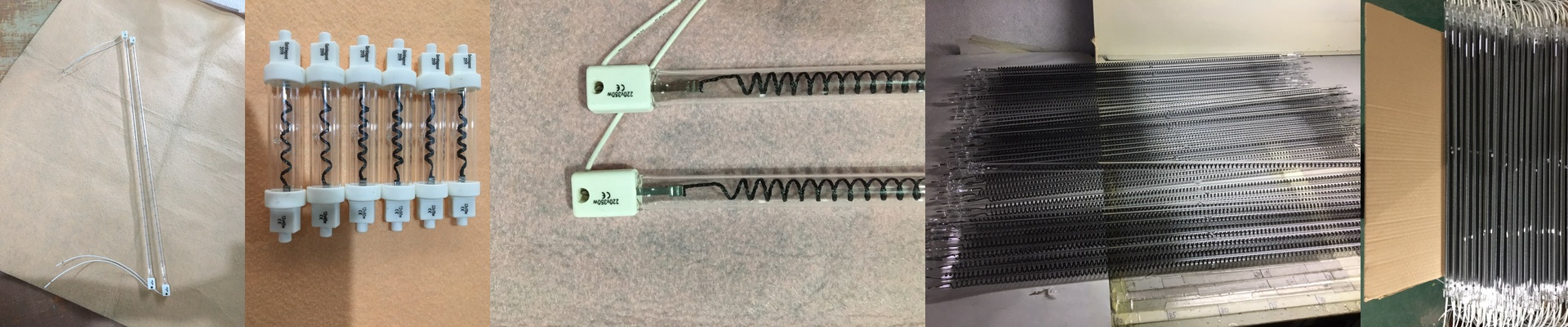
We use quartz glass for the outer shell. Why? Because it lets that short-wave IR fly right through without soaking up the heat itself. Sometimes we add a special coating to the glass, either to tweak the heat spectrum or just to keep gunk and contaminants from ruining the tube. Then there’s the connector. You’ve got your R7s and your Sk15. The R7s is the go-to for most people because it just slides right in. It’s easy. But if your machine shakes or vibrates a lot, go with the Sk15. It locks in tight. If you try to force the wrong fit, you’re asking for arcing at the contact point, and that’s a headache you don’t want.
The Real-World Stuff
You’ll see these a lot in PET blowing and curing lines. They’re great because they ramp up fast, which is a lifesaver when you’re running a high-speed line. But here’s the catch: carbon filaments are finicky. They hate voltage spikes. You can’t just plug these straight into a raw power line and hope for the best; you need a stabilized source. If the voltage jumps, the filament will just snap. One last thing—check your airflow. If the quartz envelope gets too hot because there’s no air moving around it, the glass can crack. Keep it breathing, and you’ll be fine.