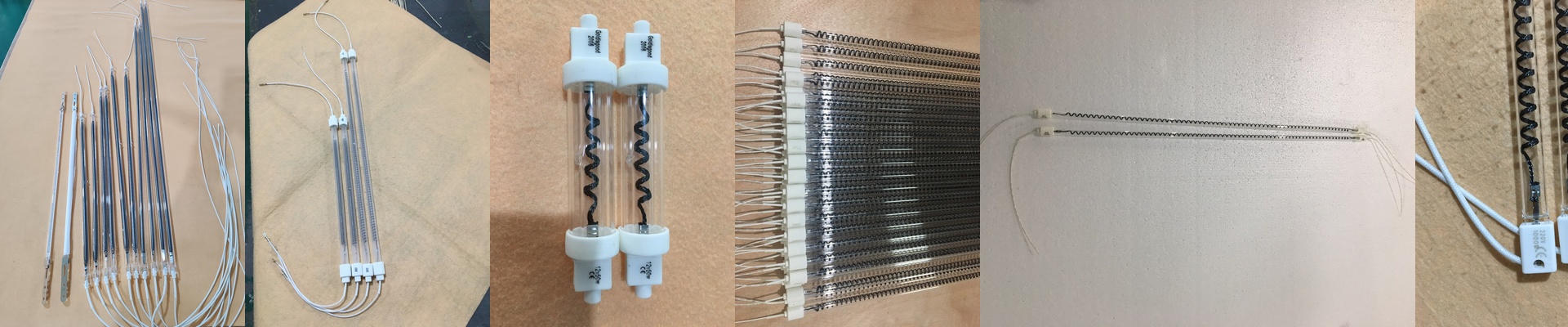
The Lowdown on Carbon Fiber IR Emitters
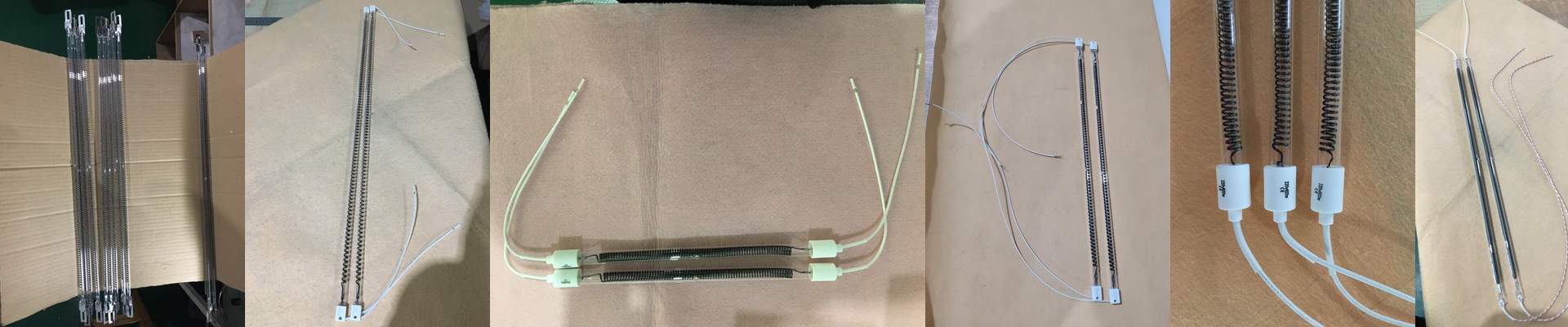
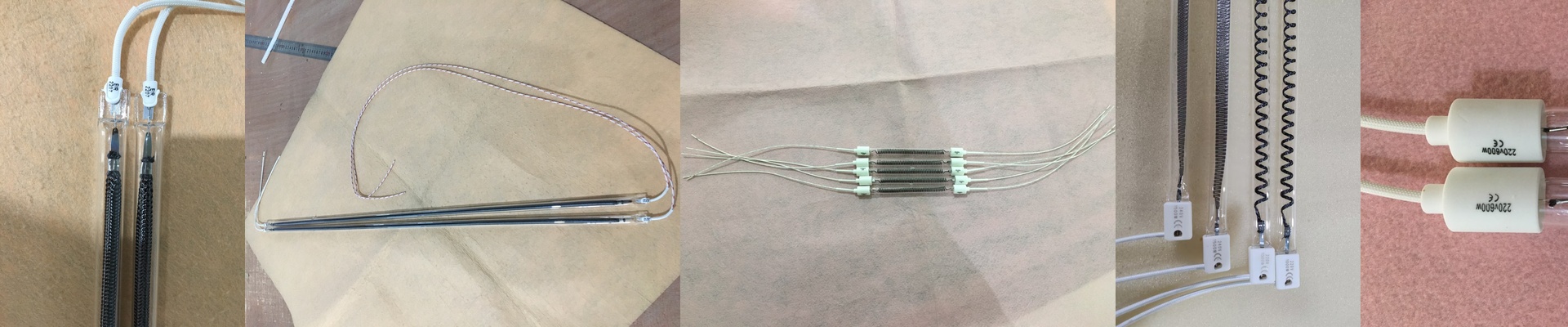
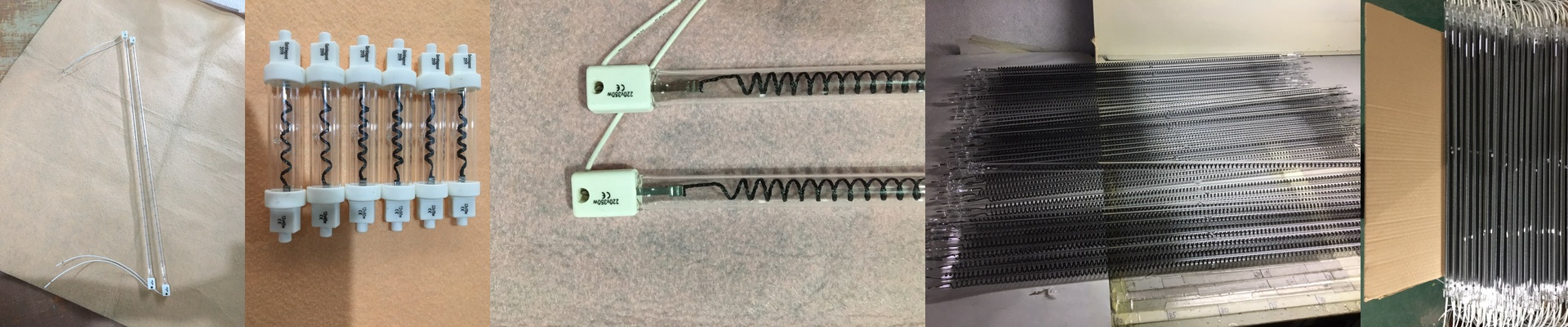
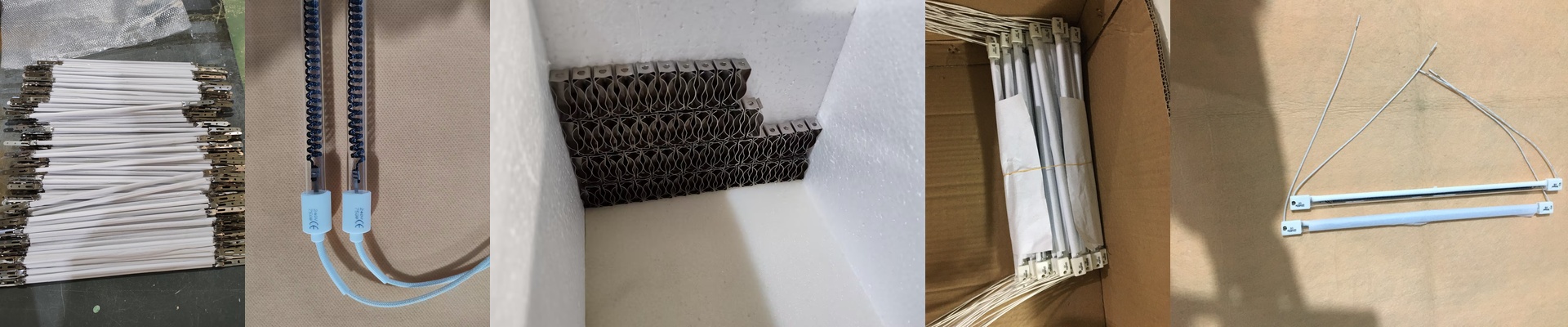
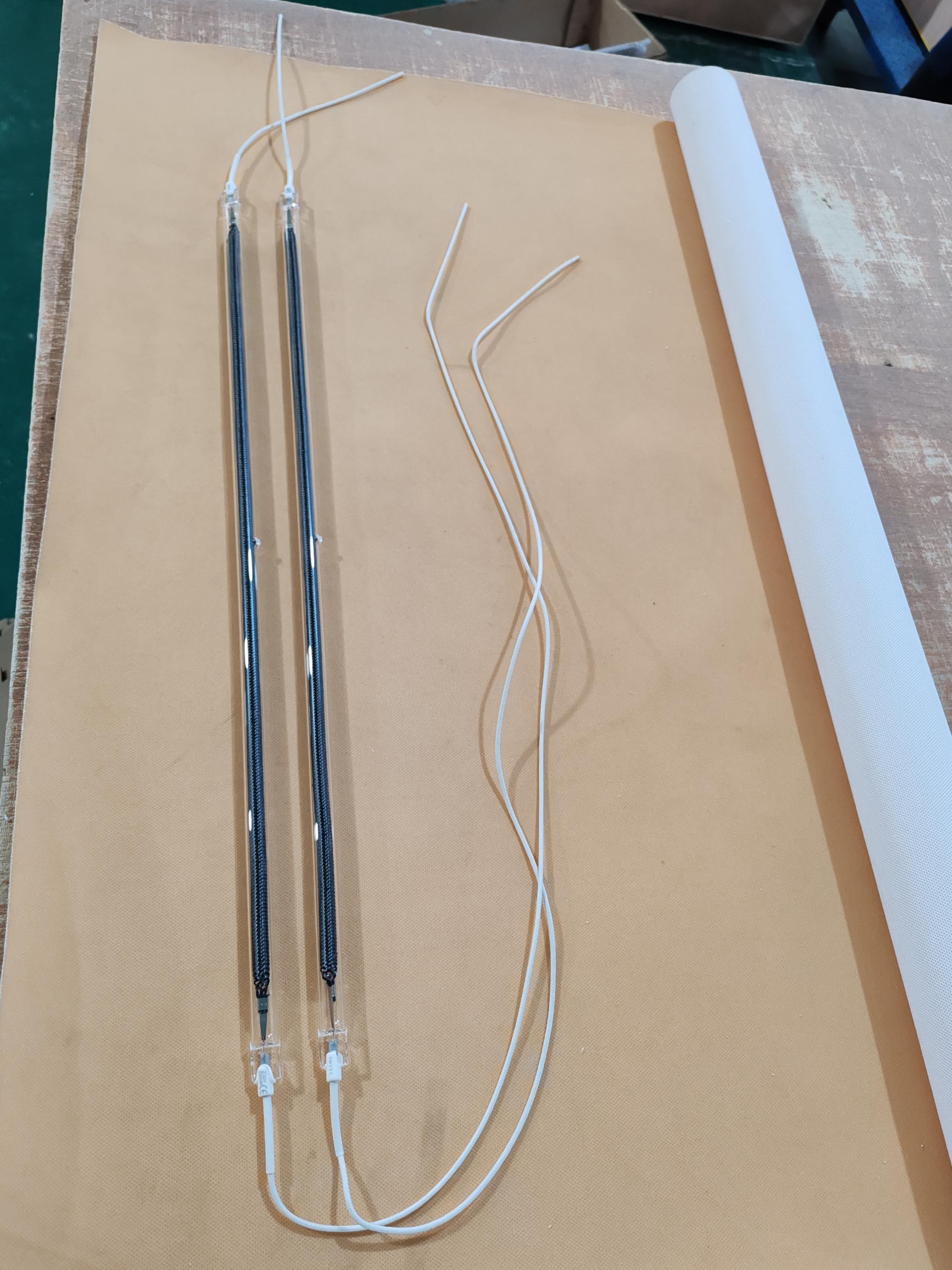
Here is how these things actually work: we run a current through a conductive carbon filament. Now, if you’ve used old-school metal coils, you know they tend to sag or just snap when they get blasted with heat over and over. Carbon fiber doesn’t really do that. It stays put. It’s our go-to when you need heat to hit full blast almost instantly and you need the light spectrum to be just right. Getting the power right We figure out the specs based on how much heat you need packed into a specific area. Since carbon fiber can handle a ton of current, you get a really intense heat source without needing a massive piece of equipment. But here is the catch: your power supply has to play nice with the resistance of the fiber. If you try to shove too many amps through a short piece of fiber, you’ll fry the ends where it hits the electrode. It’s a quick way to ruin a good part. You’ve got to keep that voltage steady. How they’re built To keep the fiber from oxidizing or getting smashed, we tuck it inside a quartz tube. Depending on whether you’re looking for short-wave or medium-wave heat, we’ll use different coatings on that glass. And because these usually live in loud, shaking factories, we use heavy-duty terminals. You don’t want your connections rattling loose while the machine is humming along. The trade-offs If you’ve got an old curing oven or a drying tunnel with resistive elements, these are a breeze to swap in. They’re fast. Really fast. But you have to be careful. Carbon fiber is a bit more brittle than nichrome. If your machine frame flexes or someone is a bit too rough during installation, the filament will crack. Simple as that. Just make sure your mounting brackets are rock solid and your wiring isn’t pulling on the quartz seals. Keep it steady, and they’ll work beautifully.