A No-Nonsense Guide to Carbon Fiber Infrared Heating
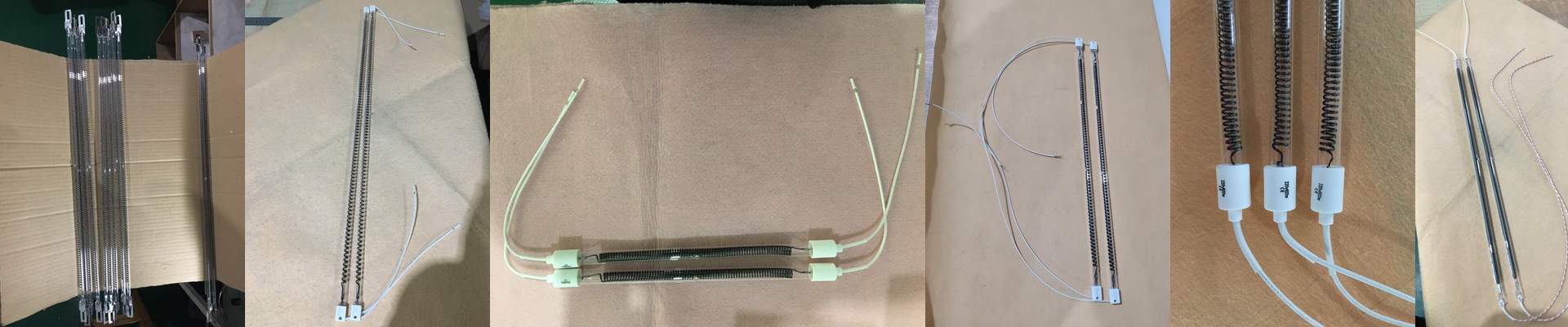
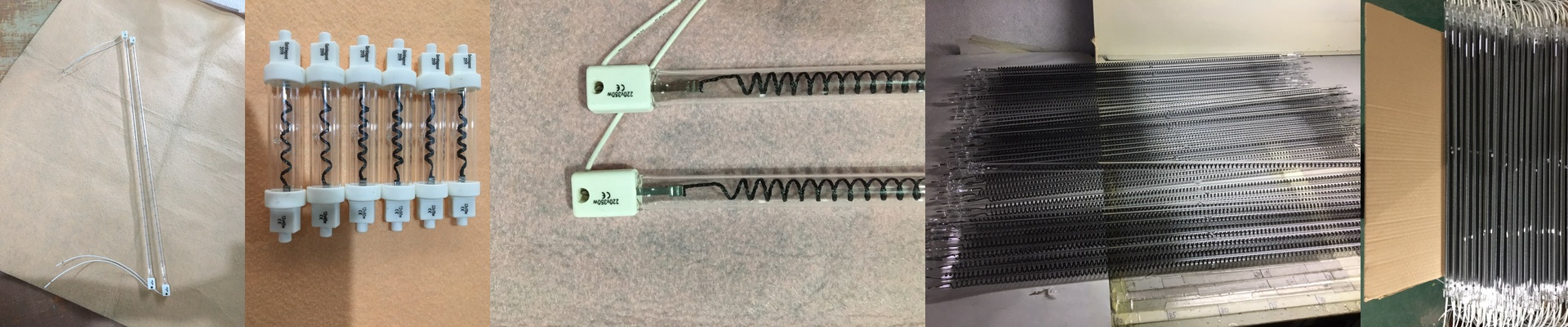
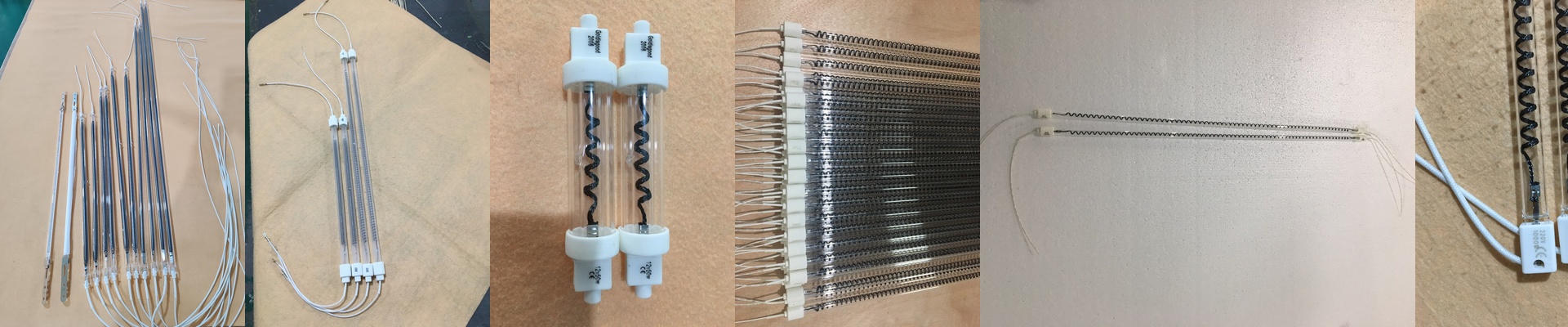
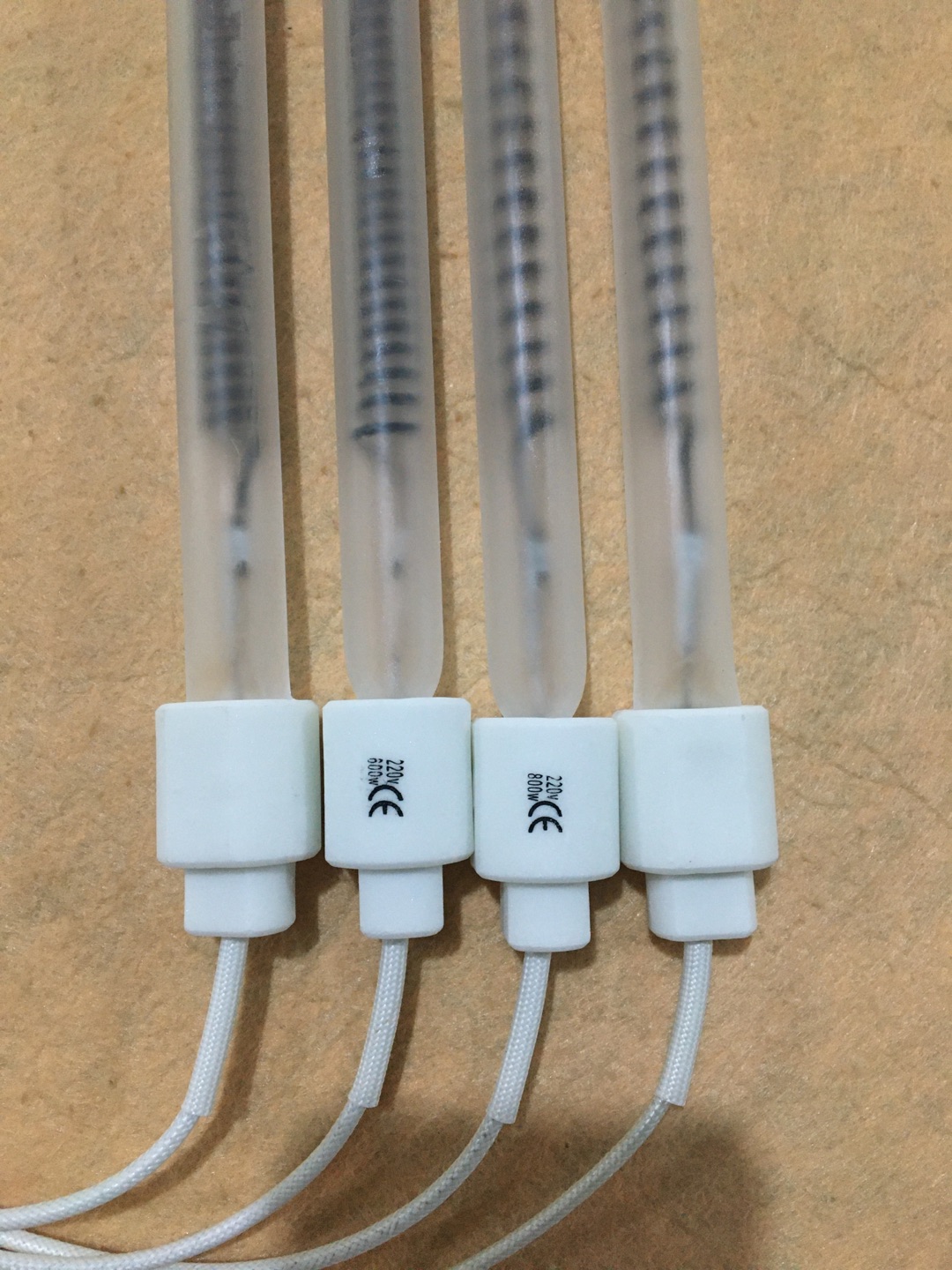
If you’ve spent any time with standard halogen tubes, you know how they can be. Carbon fiber lamps are a different beast. Instead of a metal coil, we use a carbon fiber filament tucked inside a quartz envelope. The big win here? The heat spreads out evenly across the whole lamp. It focuses on medium-to-long wave infrared, which is perfect when you need the heat to sink deep into a material without accidentally torching the surface.
Getting the Power Right
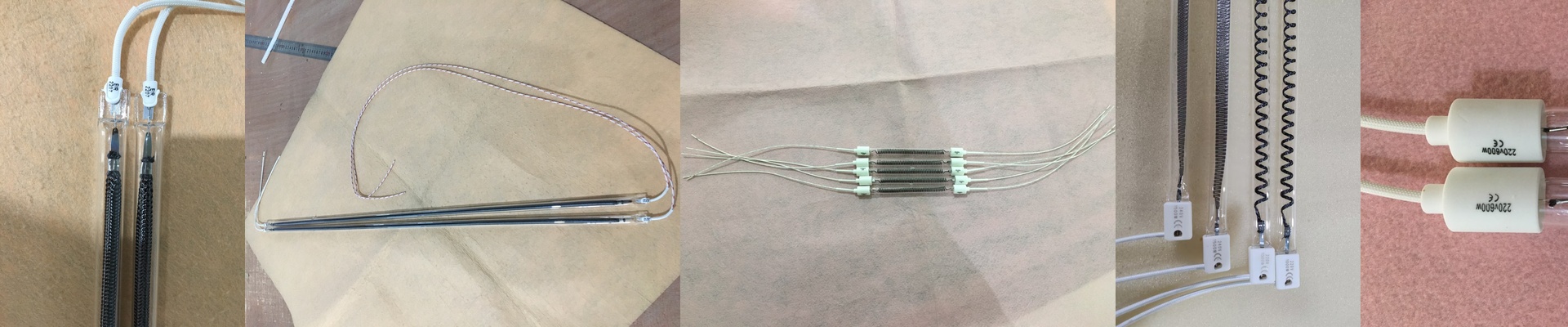
Here’s the thing about voltage and wattage: they completely control your heat flux. If you cram more wattage into a shorter tube, you get a much denser heat. But you have to be careful. Your power supply needs to match the lamp’s rated voltage exactly. If you run it too low, you lose that specific wavelength your material needs to actually absorb the heat. Go too high?**Snap.**The filament breaks, and you’re starting over.
The Build and the Connections
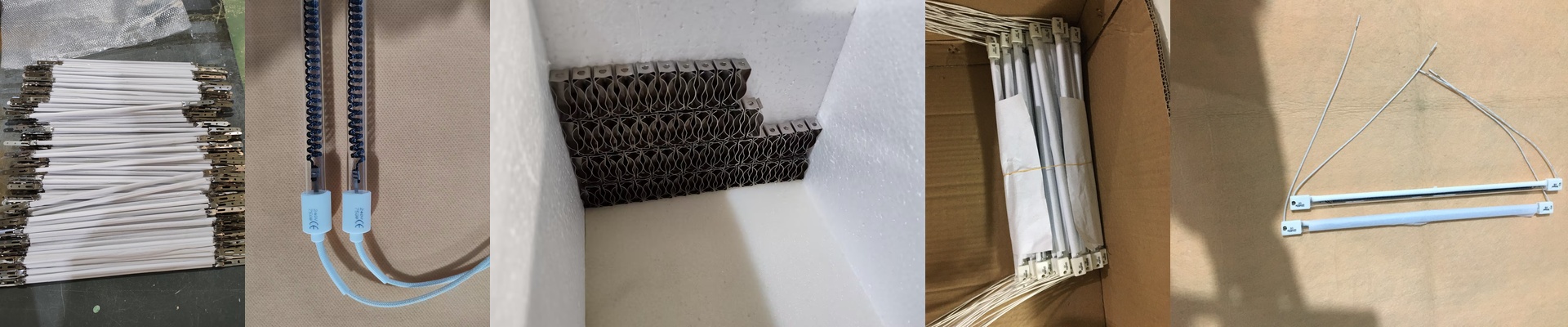
We use high-purity quartz because these things take a beating from constant heating and cooling. The carbon fiber core is great because it doesn’t get those annoying “hot spots” that usually plague metal filaments. Then there are the connectors—usually R7s or Sk15. Make sure they’re snug. A loose connection is a nightmare; it creates an arc that’ll melt your socket and kill the lamp in one go.
Real-World Use (And the Trade-offs)
These are fantastic for things like PET blowing, drying, or curing. They ramp up fast, which means your cycle times drop. Plus, they usually slide right into old halogen systems without a fuss. But it’s not a magic fix for everything. Carbon fiber lamps generally don’t hit the same surface temperatures as short-wave quartz. So, if your process needs an instant, high-intensity “flash” of heat, these might feel a bit slow for you. It really comes down to whether you need deep penetration or raw surface heat.