Getting Your IR Wavelengths Right for Brake Pads
Here is the thing about curing brake pads: you can’t just throw them all under the same heater and hope for the best. If you treat ceramic pads the same way you treat semi-metallics, you’re going to have a bad day. You’ll likely end up with surfaces that are scorched on the outside but raw in the middle. It all comes down to how the material actually “grabs” the heat.
Ceramic vs. Semi-Metallic: A Different Beast
Ceramic and semi-metallic pads don’t play by the same rules. Ceramics are a bit stubborn—they tend to reflect short-wave IR energy. If your lamp isn’t tuned to the right frequency, the heat just bounces off the surface like a mirror. It never actually gets inside. Semi-metallics are the opposite. Because they’re packed with steel and copper, they soak up heat fast. Too fast. If you aren’t careful, you get “skinning,” where the outside burns while the core is still cold. We handle this by tweaking the emitter’s output. For those ceramic blends, we shift toward medium-wave IR to make sure the heat actually penetrates. For semi-metallics, we dial back the intensity so you don’t fry the surface.
The Trade-offs (Wattage and Heat)
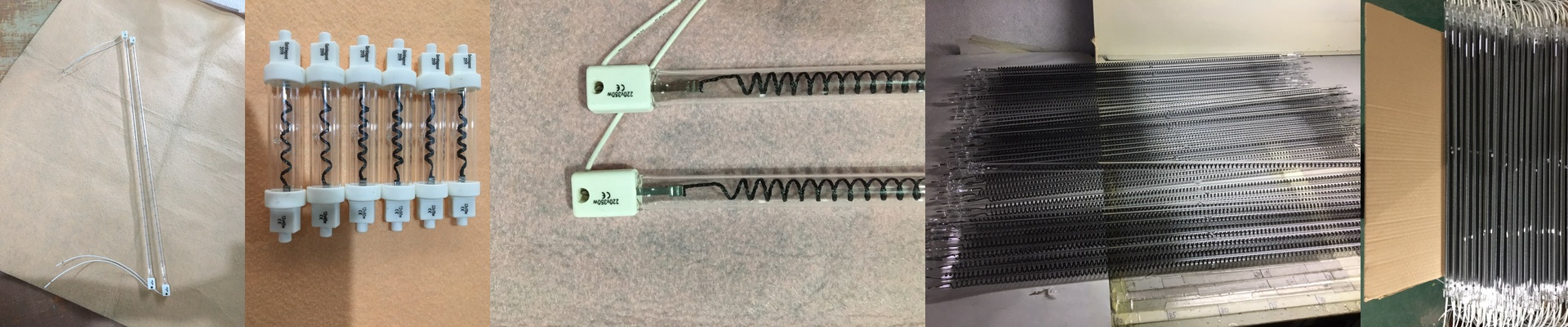
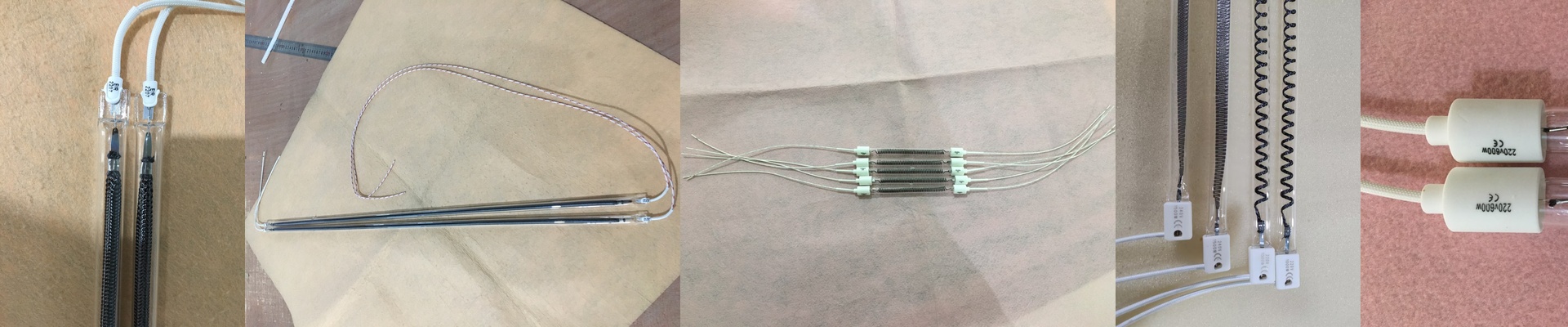
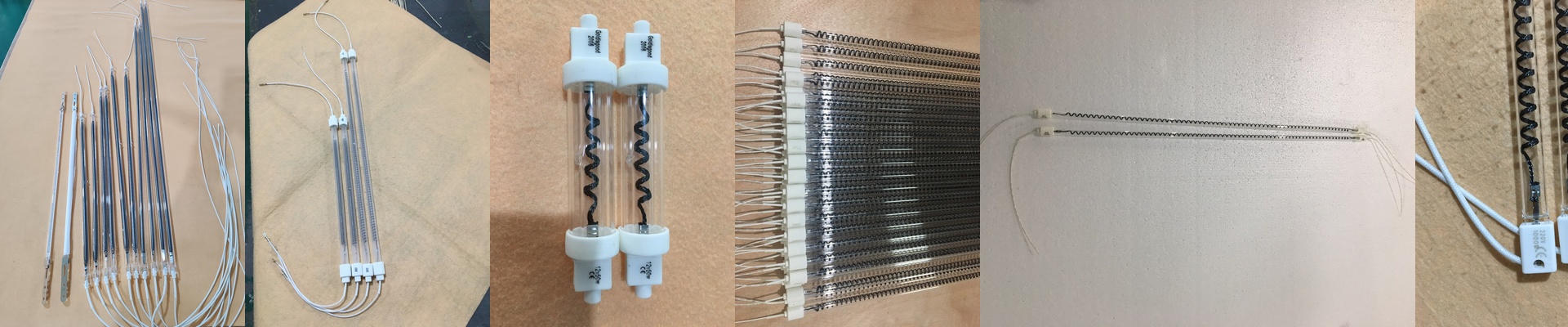
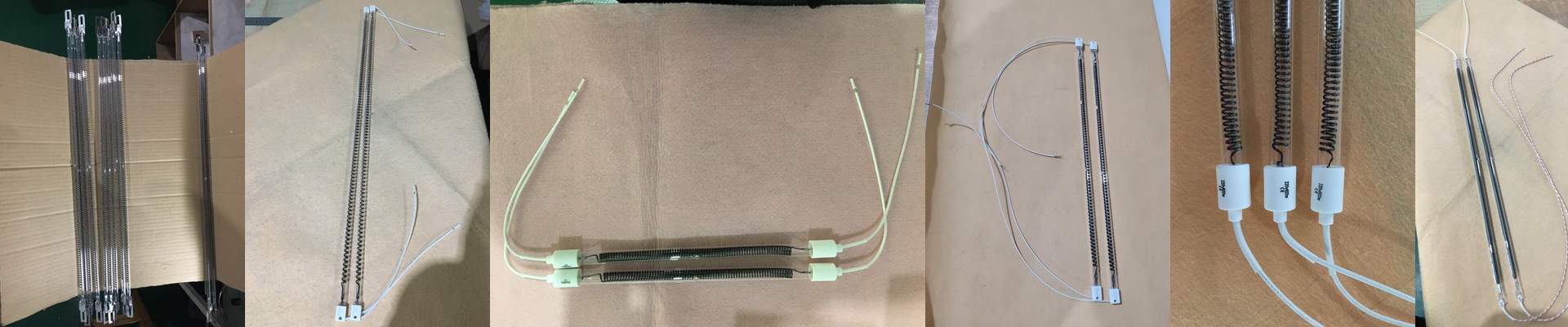
Getting the heat density right is a bit of a balancing act between wattage and the length of the tube. Sure, a high-intensity short-wave lamp is fast. It cuts your cycle times way down. But it’s a heavy lift for your power supply and creates a harsh thermal jump. You’ll also need to beef up your cooling fans, otherwise, the housing will warp from the sheer heat. That’s why we lean on the emitter coating. We use a specialized quartz coating to narrow the emission band. It puts the energy exactly where the material needs it. No waste. Lower power bills.
Making it Work on the Shop Floor
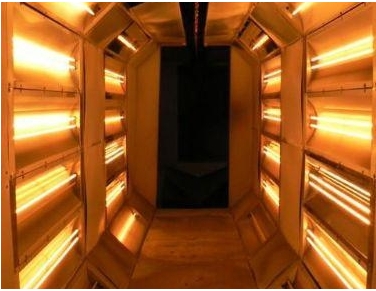
Once you’re wiring everything up, where you put the lamps matters just as much as the power you feed them. Too close? You get hot spots. Too far? You’re wasting energy. I usually suggest a staged approach. Start with high-intensity bursts to get the temperature ramping up quickly. Then, let it settle into a stabilized “soak” period. That’s the secret to making sure the pad is cured all the way through to the center.