Stop Fighting Spring-back in Your Brake Pads
If you’ve ever bonded brake pads or thermoformed interior trim, you know the nightmare of spring-back. You spend all that time getting the setup right, only for the part to warp the second it cools. It’s frustrating. You lose your tolerances, and suddenly you’re staring at a pile of scrap. The problem is usually how the heat is handled. Most people just blast the whole part with heat, but that’s where things go wrong.
Why “Bulk Heating” Fails
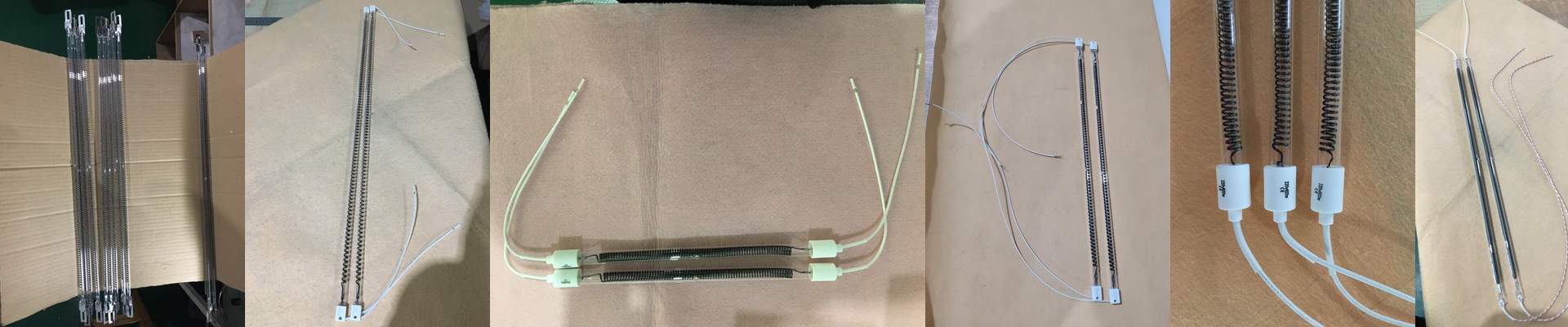
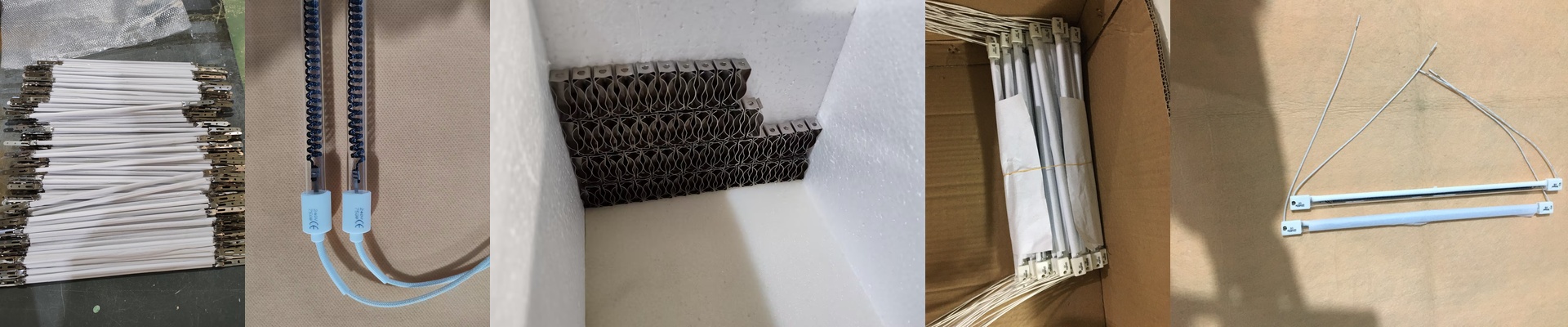
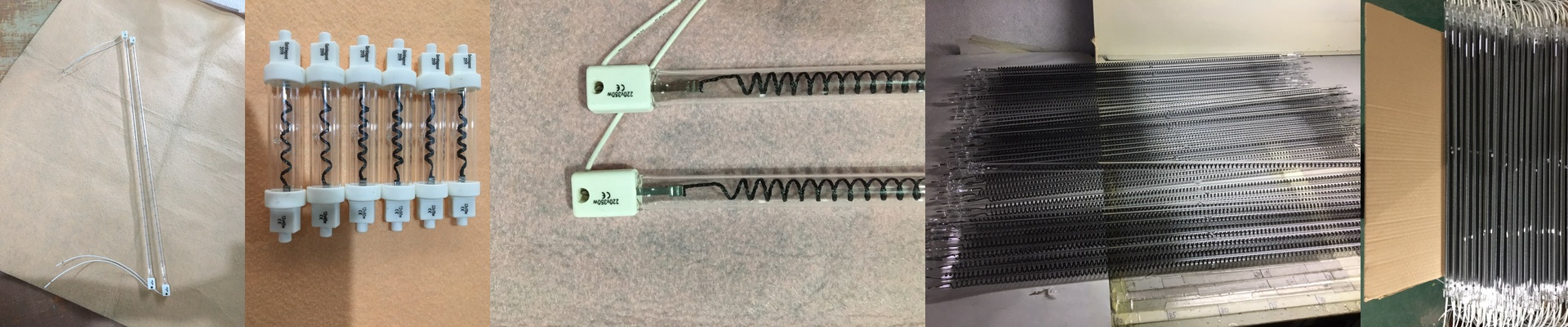
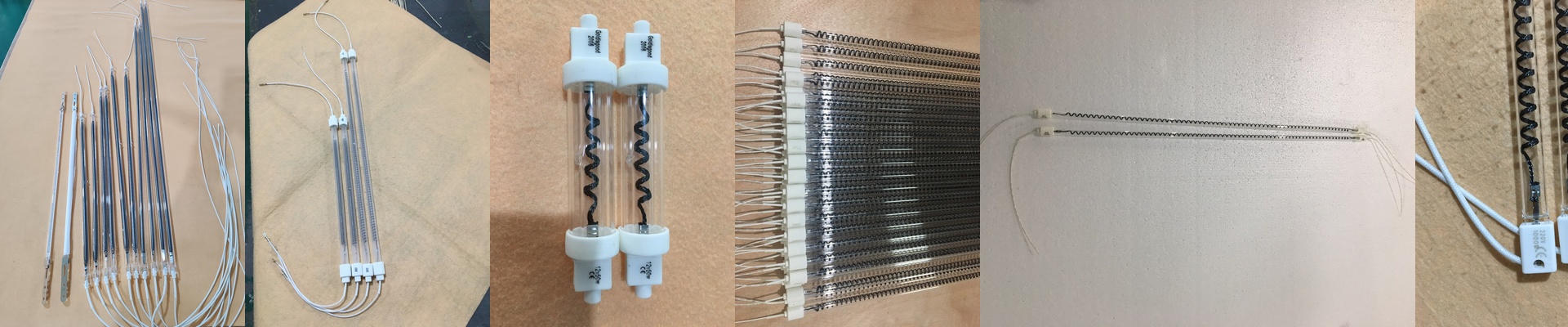
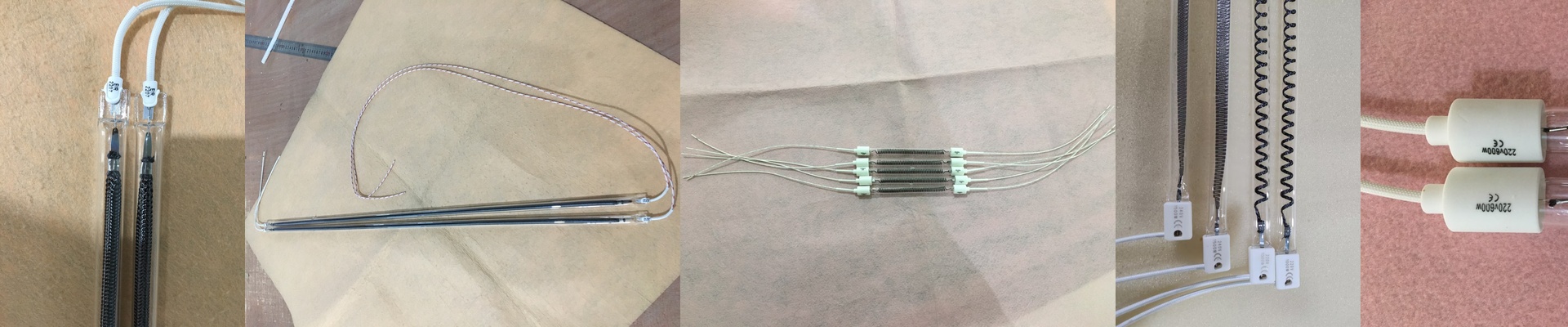
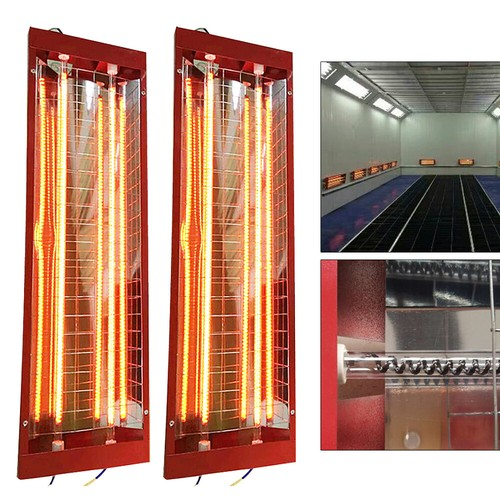
Think about it: a brake pad isn’t one solid, uniform block. Different spots have different thicknesses. Some areas soak up heat faster than others. When you treat the whole thing as one big thermal mass, you get hot spots and cold spots. That’s how you get “edge-curl.” We handle this by using zonal infrared (IR) control. Instead of one big heater, we use partitioned arrays. This lets us target specific quadrants. You can dial in the power for each zone, making sure the core temperature is actually even across the whole geometry. When the part leaves the press, it actually stays put.
Getting the Cool-Down Right
Heating is only half the battle. The real magic happens during the cooling phase. If the temperature drops too fast or unevenly, you lock in internal stress. It’s like the material is fighting itself. By using a zonal IR setup, we can control the ramp-down. We keep a precise “soak” temperature across the bonding surface, giving those molecular chains in the adhesive or polymer time to settle in without pulling. No pulling means no deformation. Simple as that.
The Trade-offs (Because Nothing is Free)
Now, here’s the catch. Moving to high-density IR arrays gives you incredible precision, but it makes your wiring a bit of a mess. You aren’t just flipping a single switch anymore. You’re managing multiple PID loops, which means your control cabinet is going to take up more room in the shop. You also have to be obsessive about where you put your sensors. If they aren’t exactly at the heat-sink points, your data is useless. But honestly? It’s worth the extra cable management. Once you get the zoning dialed in, you stop fighting the material. The parts stay flat. The dimensions hold. You can finally stop worrying about the warp.