Why Stop Waiting on Your Brake Pad Ovens?
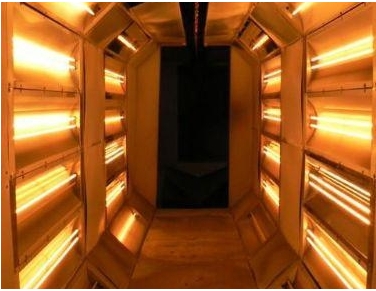
Most shops still rely on standard convection ovens. You know the drill: you heat up the air, and the air heats the pads. It’s a slow process. To make sure the core of the coating actually gets hot enough without burning the outside, you end up with these massive, sprawling tunnel ovens that take up way too much floor space. We’ve found a better way. By swapping those bulky systems for shortwave infrared (SWIR) emitters, you can slash your tunnel length and get way more parts out the door.
How the Heat Actually Works
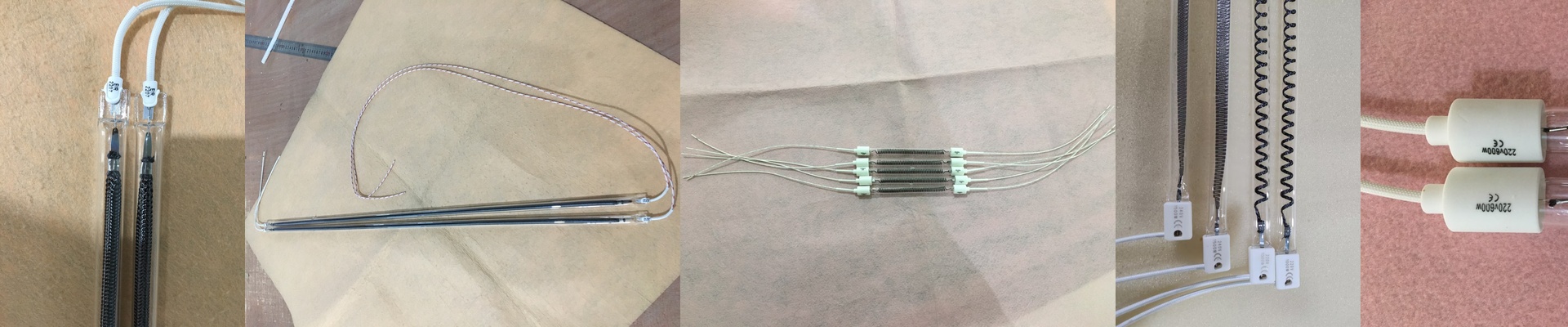
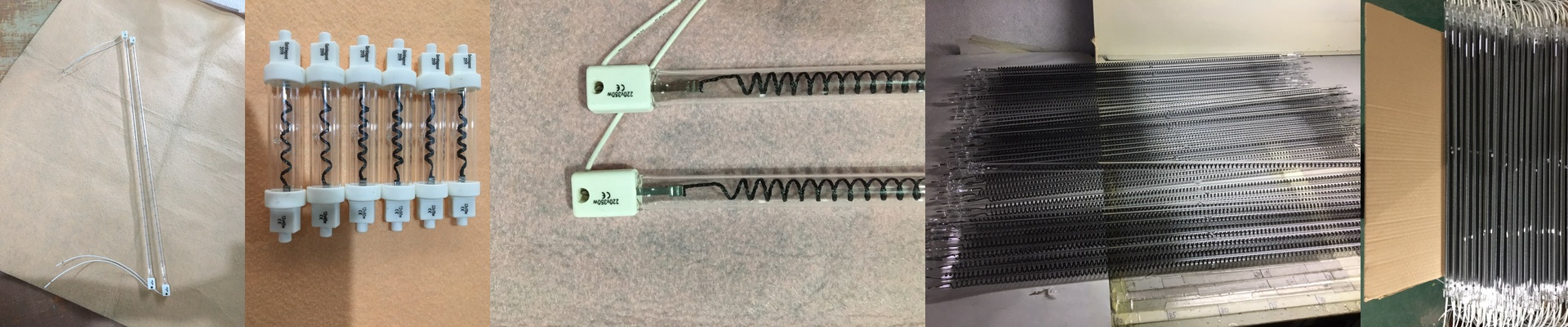
Here’s the thing about shortwave IR: it doesn’t mess around with the air. It goes straight through the coating. We use high-wattage quartz halogen lamps (hitting that 0.7 to 1.4 $\mu$m sweet spot). Most of the resins and adhesives you’re already using for brake pad bonding just soak this wavelength right up. The thermal response is almost instant. Imagine taking a 20-meter long convection line and shrinking it down to a fraction of that size. That’s a lot of reclaimed warehouse space.
The Gear Under the Hood
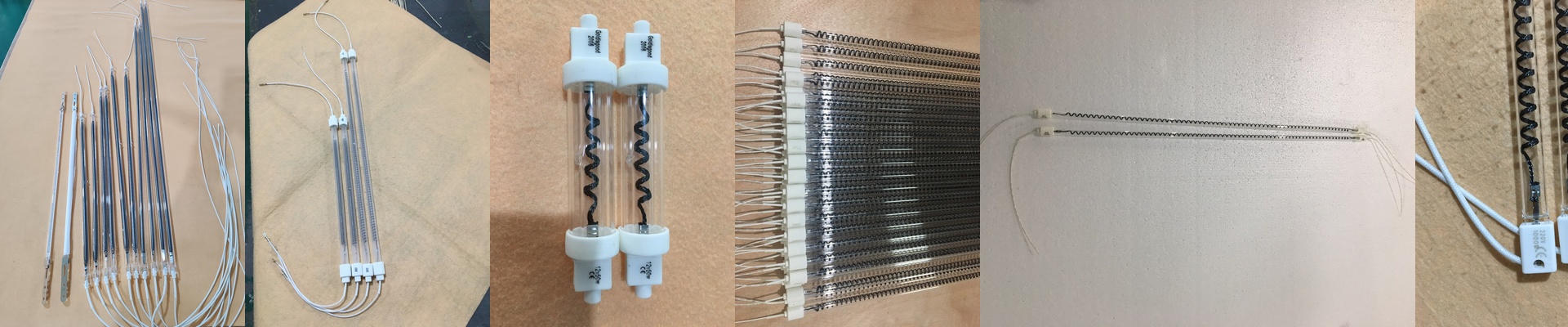
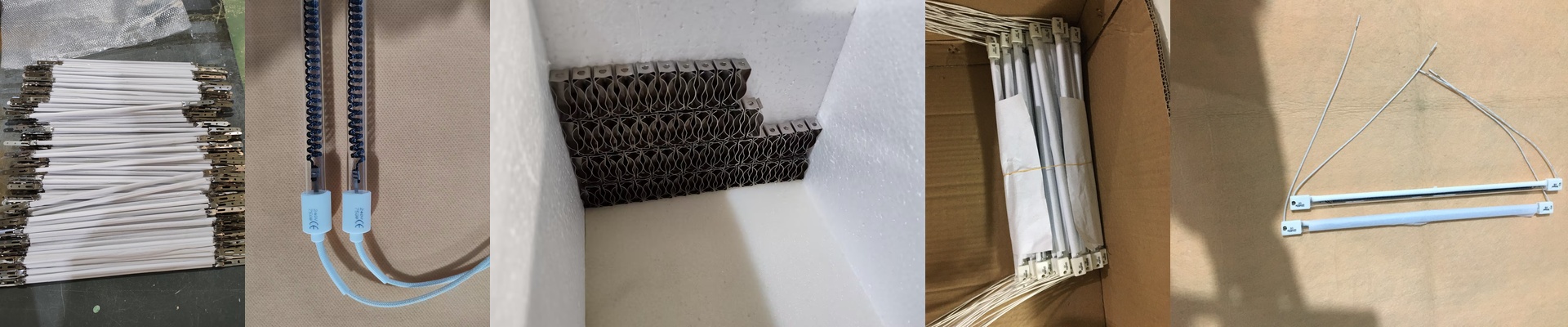
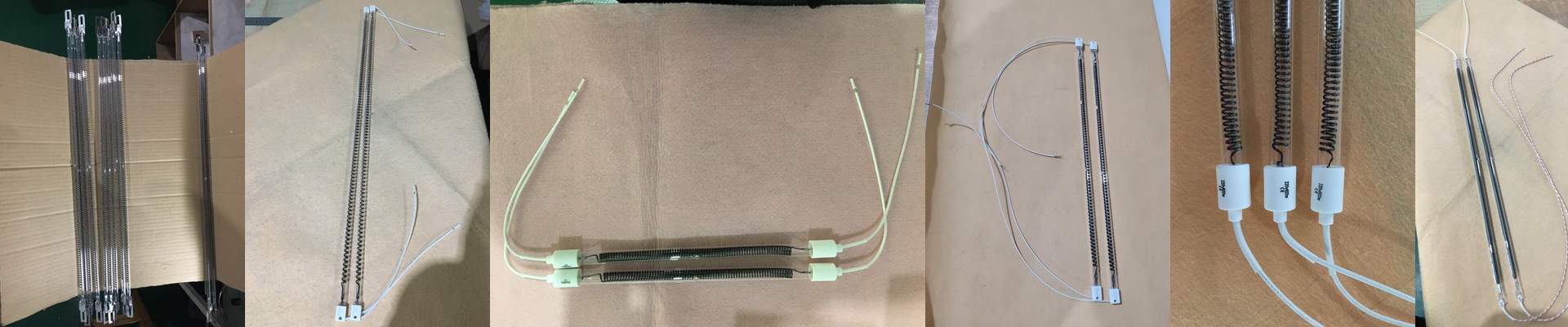
We build these lamps for raw power. Whether you’re running 230V or 400V, the goal is to dump concentrated heat exactly where it needs to go. We use R7s or Sk15 connectors because they actually stay put. The last thing you need is a connection rattling loose because of machine vibration. Plus, the quartz glass is coated to bounce the heat forward. It keeps the energy on the pads instead of just warming up your ceiling.
The Reality Check
Now, this isn’t some magic wand. Because IR is so aggressive, you have to watch out for “skinning.” That’s when the surface dries too fast and traps solvents inside the coating. Not ideal. You’ve got to find the right balance between your lamp wattage and how fast the conveyor is moving. If you just crank the lamps to the max without proper zoning, you’re going to char the edges of your pads. It takes a bit of PID tuning to get the temperature profile just right, but once you nail it, the efficiency is incredible.